African Legislators Urge United Front Against Corruption, Champion Open Governance
African parliaments are calling for deeper collaboration across the continent to combat corruption and foster open governance. This initiative emphasizes forging stronger alliances between legislators, anti-corruption bodies, audit institutions, and civil society. The goal is to build robust accountability mechanisms, enhance transparency, and ensure public trust in democratic institutions. This push for unity reflects a growing commitment to sustainable development and economic prosperity in Africa.
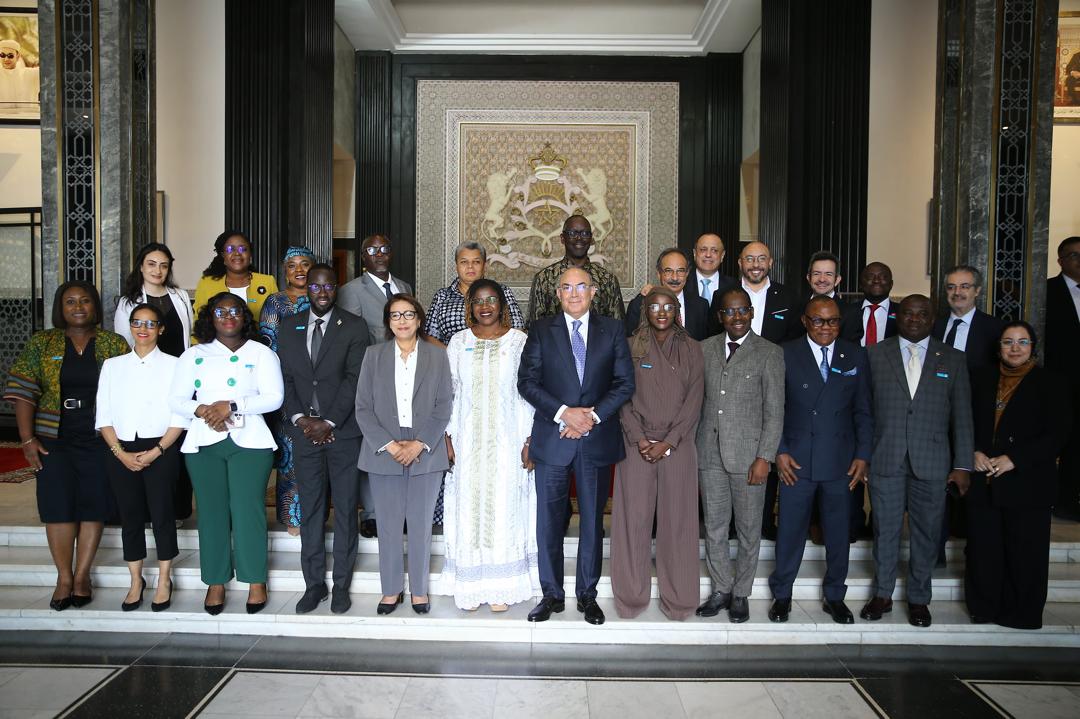
The fight against corruption is a perennial challenge that plagues nations globally, but its impact on developing regions, particularly Africa, is often magnified, hindering progress and eroding public trust. In a significant move towards fostering greater accountability and transparency, African legislators are urging a unified, continent-wide approach to tackle this pervasive issue. The call emphasizes the critical need for deeper partnerships among various stakeholders: national parliaments, anti-corruption agencies, independent audit institutions, and vibrant civil society organizations.
This initiative, emanating from parliamentary discussions, underscores a growing recognition that fragmented efforts are insufficient to dismantle the complex networks of corruption. Instead, a synergistic collaboration is envisioned, one that leverages the unique strengths of each entity to build a formidable defense against illicit practices and promote a culture of open governance across the African continent.
The Imperative for Pan-African Collaboration
Africa's journey towards sustainable development and economic prosperity is inextricably linked to its ability to curb corruption. The illicit flow of funds, mismanagement of public resources, and lack of transparency not only drain national treasuries but also undermine the very foundations of democratic institutions. Estimates from the African Union and the UN Economic Commission for Africa suggest that the continent loses billions of dollars annually to illicit financial outflows, a staggering sum that could otherwise be invested in critical sectors like healthcare, education, and infrastructure.
Recognizing this dire reality, parliamentary bodies are stepping up to champion a more integrated strategy. The rationale is clear: corruption often transcends national borders, involving complex international networks that require a coordinated response. By fostering stronger ties between national legislatures, the exchange of best practices, legal frameworks, and intelligence can be significantly enhanced. This collaborative spirit aims to create a unified front, making it harder for corrupt actors to exploit jurisdictional loopholes or escape justice by moving across borders.
Moreover, the initiative highlights the importance of peer learning and mutual accountability among African nations. When parliaments share experiences in drafting anti-corruption legislation, overseeing executive actions, or engaging with citizens, the overall capacity of the continent to combat graft is elevated. This is not merely about punitive measures but also about building preventative systems and fostering a culture of integrity from the ground up.
Strengthening Institutional Pillars: Parliaments, Auditors, and Agencies
At the heart of this collaborative push is the strengthening of key institutional pillars. Parliaments, as the legislative and oversight bodies, play a crucial role in enacting robust anti-corruption laws and holding governments accountable. However, their effectiveness is often contingent on the support and expertise of other specialized institutions.
Anti-corruption agencies (ACAs) are the frontline soldiers in this battle, responsible for investigation, prosecution, and prevention. Their independence and operational capacity are paramount. The proposed collaboration seeks to ensure that ACAs receive the necessary legislative backing, resources, and political will to perform their duties without interference. This includes safeguarding their autonomy and empowering them with adequate legal instruments to pursue complex cases, including those involving high-profile individuals.
Audit institutions, often overlooked, are equally vital. Supreme Audit Institutions (SAIs) are mandated to scrutinize public expenditure, ensuring financial probity and value for money. Their reports provide essential evidence for parliamentary oversight and can trigger investigations by ACAs. By working more closely with parliaments, SAIs can ensure their findings translate into concrete policy changes and accountability actions. This synergy creates a powerful feedback loop: audits identify irregularities, parliaments demand answers, and ACAs investigate potential wrongdoing.
The Indispensable Role of Civil Society and Public Engagement
No anti-corruption strategy can succeed without the active participation and vigilance of civil society. Civil society organizations (CSOs) act as watchdogs, advocating for transparency, monitoring government performance, and empowering citizens to demand accountability. Their grassroots presence and ability to mobilize public opinion are invaluable assets in the fight against corruption.
The call for deeper collaboration explicitly includes CSOs, recognizing their role in: * Advocacy and policy reform: CSOs often highlight systemic issues and propose legislative changes. * Monitoring and reporting: They track government projects, expose corruption, and provide alternative data. * Citizen empowerment: Educating the public about their rights and fostering a culture of zero tolerance for corruption. * Whistleblower protection: Providing support and safe channels for individuals to report malpractices.
Engaging civil society ensures that anti-corruption efforts are not merely top-down bureaucratic exercises but are rooted in the lived experiences and demands of the populace. It fosters a sense of collective ownership in the fight against graft, making it a societal rather than solely governmental endeavor. Furthermore, a well-informed and engaged citizenry acts as a powerful deterrent to corrupt practices, knowing that their actions are under public scrutiny.
Challenges and the Path Forward
While the vision for a united front against corruption is compelling, its implementation faces significant challenges. These include varying political landscapes, differing legal systems, capacity gaps in some institutions, and the persistent issue of political interference. The effectiveness of this collaboration will largely depend on the political will of individual nations and their commitment to upholding the principles of good governance.
However, the momentum is building. Regional parliamentary bodies and organizations like the Pan-African Parliament are instrumental in driving this agenda. They provide platforms for dialogue, facilitate the sharing of legislative models, and encourage the harmonization of anti-corruption standards across the continent. Initiatives such as the African Peer Review Mechanism (APRM) also offer frameworks for mutual assessment and accountability, pushing countries to adhere to agreed-upon governance standards.
The path forward requires sustained effort, continuous dialogue, and a genuine commitment from all stakeholders. It involves investing in capacity building for anti-corruption agencies and audit institutions, strengthening whistleblower protection laws, promoting digital transparency tools, and fostering an independent judiciary. Ultimately, the goal is to create an environment where corruption is not only penalized but also systematically prevented, paving the way for a more equitable, prosperous, and just Africa. This collaborative push is a testament to the continent's resolve to shape its own destiny, free from the shackles of graft and inefficiency.
Stay Informed
Get the world's most important stories delivered to your inbox.
No spam, unsubscribe anytime.
Comments
No comments yet. Be the first to share your thoughts!