After 27-Year Wait: Brazil Begins Demarcation for Uncontacted Kawahiva Tribe's Land
After nearly three decades, the Brazilian government has finally initiated the demarcation of 410,000 hectares for the uncontacted Pardo River Kawahiva people. This critical move aims to safeguard one of the Amazon's most vulnerable nomadic communities from rampant illegal mining, logging, and agricultural expansion. The decision follows years of advocacy and legal battles, offering a beacon of hope for Indigenous rights and environmental protection in the Amazon. It underscores the ongoing struggle to preserve both human diversity and ecological integrity.
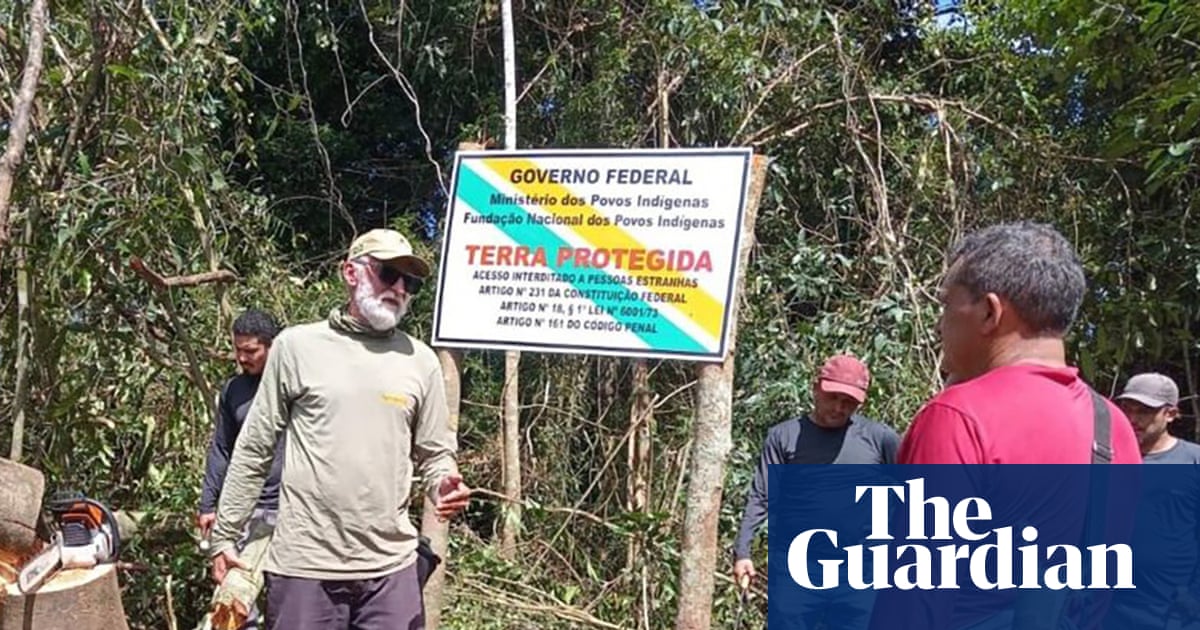
In a landmark decision that has been decades in the making, the Brazilian government has finally commenced the official demarcation of the Pardo River Kawahiva Indigenous territory. This crucial step, which secures 410,000 hectares (approximately 1 million acres) of pristine Amazonian rainforest, is a monumental victory for the uncontacted Kawahiva people, one of the world's most vulnerable nomadic hunter-gatherer communities. After a 27-year waiting period since their existence was first confirmed, this action provides a vital shield against the relentless pressures of illegal mining, logging, and agricultural expansion that threaten their very survival.
The Kawahiva, known for their elusive nature and deep connection to the forest, represent a critical component of Brazil's cultural and ecological heritage. Their uncontacted status means they have no sustained interaction with outside society, making them exceptionally susceptible to diseases and cultural disruption. The demarcation process is not merely a bureaucratic exercise; it is a profound declaration of intent to protect their way of life, their ancestral lands, and the invaluable biodiversity within those territories.
A Long and Arduous Journey to Protection
The journey to this point has been fraught with challenges and delays. The existence of the Pardo River Kawahiva was officially acknowledged over a quarter-century ago, yet the formal protection of their land remained in bureaucratic limbo. Indigenous rights organizations, environmental groups, and international bodies have tirelessly advocated for the demarcation, highlighting the urgent need to protect these communities from external threats. The delay itself speaks volumes about the political complexities and economic pressures that often overshadow the rights of Indigenous peoples in Brazil.
Historically, the process of land demarcation in Brazil has been a contentious one. While the Brazilian Constitution recognizes Indigenous land rights, the implementation has often been slow, incomplete, or challenged by powerful agribusiness, mining, and logging interests. The Kawahiva’s case is particularly poignant, as their small numbers and nomadic lifestyle make them incredibly difficult to monitor and protect without clearly defined and enforced territorial boundaries. The lack of demarcation left their lands vulnerable to incursions, leading to deforestation, resource depletion, and the constant threat of violent encounters.
The Imperative of Uncontacted Tribes' Survival
Protecting uncontacted tribes like the Kawahiva is not just a matter of human rights; it is a global imperative for biodiversity conservation and the fight against climate change. These communities often act as the most effective guardians of their territories, preserving vast tracts of rainforest that are vital carbon sinks and biodiversity hotspots. Their traditional knowledge systems, honed over millennia, offer invaluable insights into sustainable living and ecological balance.
However, their vulnerability is immense. Contact, even well-intentioned, can introduce diseases against which they have no immunity, leading to devastating epidemics. Moreover, the loss of their land means the loss of their culture, their language, and their very identity. The Kawahiva's plight is a stark reminder of the delicate balance between progress and preservation, and the ethical responsibility of modern societies towards those who choose to live apart.
Threats from All Sides: Mining, Logging, and Agriculture
The Amazon region, including the areas inhabited by the Kawahiva, faces unprecedented levels of environmental destruction. Illegal mining, particularly for gold, contaminates rivers with mercury, destroys forest ecosystems, and attracts criminal elements. Illegal logging strips the forest of its valuable timber, opening pathways for further exploitation and land grabbing. Meanwhile, the relentless expansion of agribusiness, driven by demand for beef and soy, converts vast swathes of rainforest into pastures and monoculture plantations.
These activities not only destroy the natural habitat of the Kawahiva but also directly threaten their lives. Incursions by outsiders can lead to violent clashes, disease transmission, and the forced displacement of these already marginalized communities. The demarcation, therefore, is a critical legal tool that empowers the authorities to enforce protection measures and prosecute those who violate the territory's boundaries. It sends a clear message that these lands are not open for exploitation.
A Broader Context: Indigenous Rights in Brazil
The demarcation for the Kawahiva comes at a time of heightened awareness and activism around Indigenous rights in Brazil. While this decision is a significant step forward, it also highlights the ongoing struggle faced by many other Indigenous groups whose lands remain unprotected or under threat. The political landscape in Brazil has often swung between periods of greater protection and periods of increased pressure on Indigenous territories, reflecting broader debates about economic development versus environmental and social justice.
Organizations like FUNAI (Brazil's Indigenous affairs agency) and international NGOs such as Survival International have played crucial roles in bringing attention to these issues and lobbying for government action. The Kawahiva case can serve as a precedent and an inspiration for other struggles, demonstrating that persistent advocacy can eventually yield positive results, even against formidable opposition.
Looking Ahead: Enforcement and Sustainable Protection
While the commencement of demarcation is a cause for celebration, the real work of protection is far from over. Effective enforcement of the newly established boundaries will be paramount. This requires continuous monitoring, adequate funding for protection agencies, and a strong political will to confront powerful vested interests. The challenges include:
* Geographic scale: The sheer size of the Amazon makes comprehensive surveillance difficult. * Resource scarcity: FUNAI and other agencies often operate with limited budgets and personnel. * Political interference: Local and national political pressures can undermine enforcement efforts. * Criminal networks: Illegal operations are often run by sophisticated and well-armed criminal groups.
Moving forward, the international community must continue to support Brazil's efforts to protect its Indigenous peoples and their territories. This includes advocating for sustainable development policies, supporting Indigenous-led conservation initiatives, and holding governments accountable for their commitments to human rights and environmental protection. The Kawahiva's future, and indeed the future of the Amazon, depends on sustained vigilance and unwavering commitment to these principles. This demarcation is a beacon of hope, but it is just one battle won in a much larger, ongoing war for the soul of the Amazon and its original inhabitants.
Stay Informed
Get the world's most important stories delivered to your inbox.
No spam, unsubscribe anytime.
Comments
No comments yet. Be the first to share your thoughts!