AI's Unseen Hand: How Demand for Computing Power is Reshaping Storage Prices
The global surge in artificial intelligence development is creating unexpected ripple effects across the technology supply chain, particularly impacting storage solutions. OWC, a prominent memory and SSD manufacturer, is once again adjusting its prices upwards, reflecting a broader industry trend driven by unprecedented demand for high-performance components. This article delves into the complex interplay between AI, memory production, and market dynamics, offering insights into what consumers and businesses can expect in the evolving tech landscape.
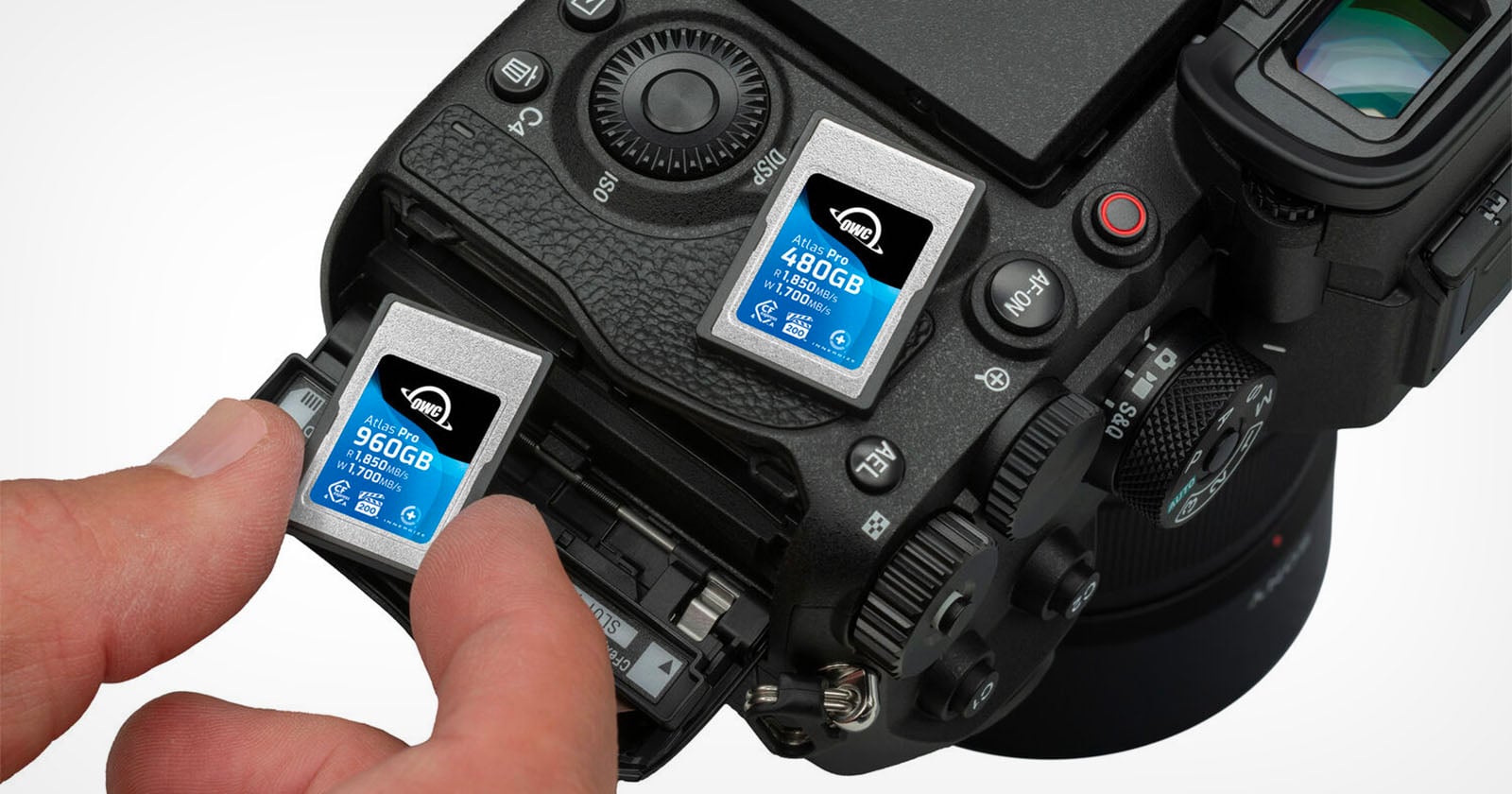
In an era increasingly defined by artificial intelligence, the unseen forces of innovation are reshaping markets in profound ways. From data centers to consumer electronics, the insatiable demand for computational power is creating ripple effects across the technology supply chain, none more evident than in the fluctuating prices of storage solutions. OWC, a well-regarded manufacturer of memory cards and solid-state drives (SSDs), has announced yet another round of price adjustments, a move that, while not dramatically steep in the U.S., signals a deeper, more systemic shift driven by the AI revolution.
Last week, whispers turned into headlines as reports emerged concerning an impending price hike for OWC storage products. Japanese outlet DCWatch initially sparked concern with reports of increases exceeding 30 percent in their domestic market. While these figures represent a significant jump, the good news for U.S. consumers is that the local adjustments are considerably more modest, often in the single-digit percentages. However, even these smaller increments contribute to an ongoing trend that warrants closer examination: the increasing cost of digital storage, intrinsically linked to the burgeoning AI industry.
The AI-Driven Demand Surge: A Global Phenomenon
The primary culprit behind these escalating prices is the unprecedented global demand for high-bandwidth, high-capacity memory, specifically High Bandwidth Memory (HBM) and NAND flash components. AI models, particularly large language models (LLMs) and complex neural networks, require colossal amounts of data for training and inference. This data needs to be stored, accessed, and processed at speeds previously unimaginable. As a result, manufacturers of these critical components are seeing their production capacities stretched thin, leading to supply constraints and, inevitably, price increases.
Major players in the semiconductor industry, such as Samsung, SK Hynix, and Micron, are pouring billions into expanding their HBM and NAND flash production capabilities. However, these expansions take time—often years—to come online and meet the surging demand. In the interim, the existing supply struggles to keep pace, creating a seller's market. This dynamic is not unique to OWC; it’s a pervasive issue impacting the entire storage industry, from enterprise-grade SSDs to consumer-level memory cards. The ripple effect is felt across the board, from professional content creators needing vast amounts of fast storage to everyday users upgrading their devices.
Understanding the Market Dynamics: Beyond Simple Supply and Demand
While the basic economic principle of supply and demand is at play, the situation is more nuanced. The AI boom isn't just increasing demand for existing storage; it's driving demand for specific types of high-performance storage. HBM, for instance, is a specialized type of RAM designed for high-performance computing, crucial for AI accelerators and GPUs. Its complex manufacturing process and limited production capacity make it a premium component. NAND flash, the technology behind SSDs, is also seeing increased demand not just in quantity but in density and speed, as AI applications require faster data retrieval.
Furthermore, the geopolitical landscape and global economic factors also contribute to volatility. Supply chain disruptions, raw material costs, and even currency fluctuations can amplify price changes. The semiconductor industry is capital-intensive and highly sensitive to global events. When a major technological shift like AI emerges, it acts as a powerful accelerant, exposing vulnerabilities and creating new market pressures. The current scenario is a testament to the interconnectedness of the global tech economy, where a surge in one sector can have profound implications for seemingly unrelated product categories.
Implications for Consumers and Businesses
For consumers, these price increases mean that upgrading or purchasing new devices with high-capacity storage will likely become more expensive. This could impact everything from new gaming PCs and professional workstations to external storage solutions for photographers and videographers. While the current OWC increases might be minor for individual purchases, the cumulative effect over time, combined with similar trends from other manufacturers, could significantly raise the cost of entry for certain tech segments.
For businesses, particularly those in data-intensive industries or those looking to leverage AI, the implications are more substantial. Data centers, cloud providers, and AI development firms face higher operational costs for storage infrastructure. This could lead to increased service fees for end-users or slower adoption of AI technologies in some sectors due to budgetary constraints. Companies reliant on large-scale data processing will need to carefully evaluate their storage strategies, perhaps exploring more efficient data compression techniques or tiered storage solutions to mitigate rising costs.
Key Takeaways for Stakeholders: * Consumers: Expect continued upward pressure on SSD and high-capacity memory prices. Plan upgrades strategically. * Businesses: Budget for higher storage infrastructure costs. Explore optimization strategies for data management. * Manufacturers: Continue investing heavily in HBM and NAND flash production to meet future demand. * AI Developers: Acknowledge the hardware cost implications of increasingly complex models.
The Road Ahead: Innovation and Adaptation
The current situation is not merely a temporary blip but rather a symptom of a fundamental shift in the technology landscape. As AI continues its rapid ascent, the demand for underlying hardware, especially high-performance storage, will only intensify. This presents both challenges and opportunities.
On the one hand, consumers and businesses will need to adapt to a potentially higher cost of digital storage. On the other hand, this intense demand is spurring incredible innovation. Researchers and engineers are constantly working on new memory technologies, more efficient storage architectures, and advanced manufacturing processes to increase capacity, speed, and affordability. We might see the emergence of novel storage solutions specifically tailored for AI workloads, or breakthroughs in existing technologies that dramatically improve cost-effectiveness.
Furthermore, the increased investment in semiconductor manufacturing, while slow to yield immediate results, promises a more robust and capable supply chain in the long term. The current price adjustments by OWC and others are a clear signal that the market is recalibrating to the new realities of the AI era. While the immediate future may see continued volatility, the long-term outlook points towards a future where storage, though potentially more expensive, will also be exponentially more powerful and intelligent, continuing to fuel the next wave of technological advancement.
Stay Informed
Get the world's most important stories delivered to your inbox.
No spam, unsubscribe anytime.
Comments
No comments yet. Be the first to share your thoughts!