Amazon's Final Echo Dot Deal: Unpacking the Smart Speaker's Enduring Appeal and Future
Amazon's Echo Dot is currently available at its lowest price of the year, signaling a potential final push for the popular smart speaker. This deep dive explores the device's journey from a niche gadget to a household staple, its impact on smart home adoption, and what this aggressive pricing strategy might mean for the future of voice AI and Amazon's hardware ambitions. We analyze the competitive landscape and the evolving role of AI in daily life.
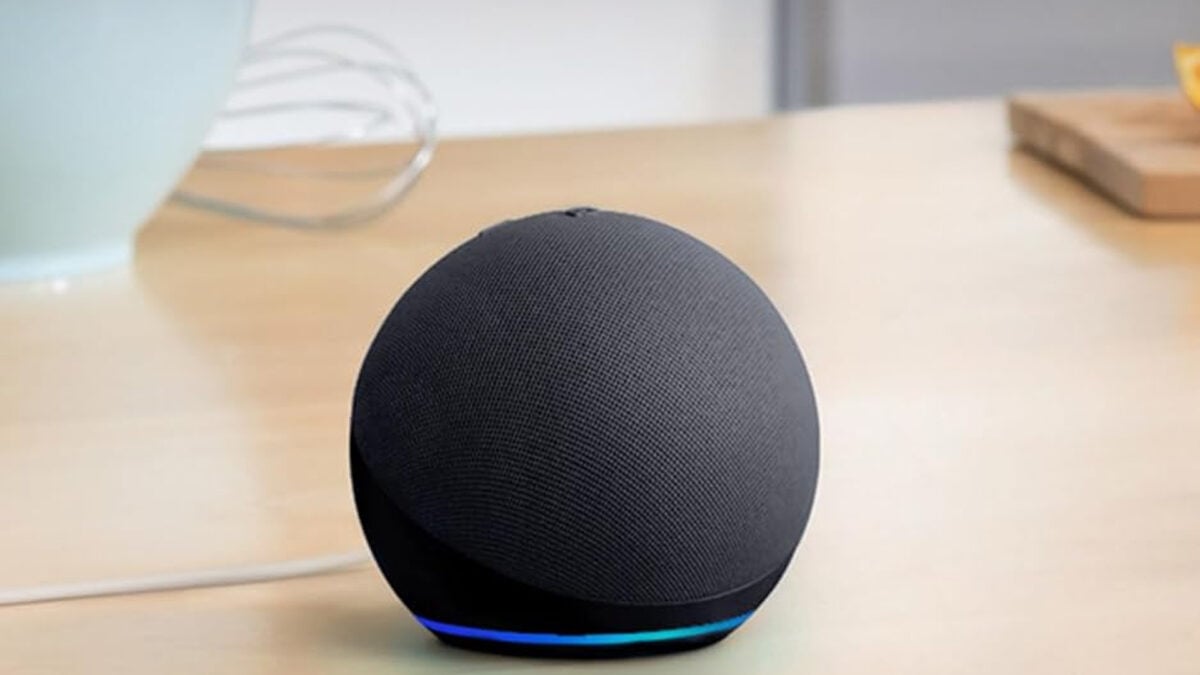
In the bustling arena of smart home technology, few devices have achieved the ubiquitous presence and affordability of Amazon's Echo Dot. Currently, the tech giant is offering its newest iteration of the Echo Dot at its lowest price of the year, a strategic move that has piqued the interest of both budget-conscious consumers and industry observers. This isn't just another sale; it's a moment to reflect on the device's remarkable journey, its profound impact on mainstream smart home adoption, and what this aggressive pricing might signify for the future of voice-activated artificial intelligence.
Since its inception, the Echo Dot has been Amazon's Trojan horse into millions of homes worldwide. Its compact design, surprisingly robust audio for its size, and, most importantly, its accessible price point have made it the quintessential entry-level smart speaker. This current deal, shaving $10 off the already affordable gadget, positions it as an irresistible impulse buy, further cementing its status as a gateway device to the broader Alexa ecosystem. But beyond the immediate allure of a bargain, what does this aggressive pricing strategy tell us about Amazon's long-term vision and the evolving landscape of smart home technology?
The Echo Dot's Ascent: From Novelty to Necessity
The story of the Echo Dot is one of shrewd market positioning and iterative innovation. When Amazon first introduced the Echo line in 2014, many viewed it as an experimental foray into voice computing. The original Echo, a cylindrical speaker, was a relatively premium device. The subsequent introduction of the Echo Dot in 2016, however, democratized access to Alexa. By decoupling the smart assistant from a high-fidelity speaker and focusing on a minimalist, puck-like design, Amazon created a product that could be placed in virtually any room without breaking the bank.
This strategy paid off handsomely. The Echo Dot quickly became Amazon's best-selling device, transforming Alexa from a singular device experience into a multi-room, ambient computing presence. Users began to integrate Alexa into their daily routines for everything from setting timers and playing music to controlling smart lights and checking the weather. The Dot's success wasn't just about its price; it was about its ability to seamlessly blend into the background, providing utility without demanding constant attention. It became the silent orchestrator of smart homes, often unnoticed but deeply integrated into the fabric of modern living.
The Strategic Implications of Aggressive Pricing
Amazon's decision to push the Echo Dot at its lowest price point of the year is multifaceted. Firstly, it's a classic market penetration strategy. By making the entry barrier as low as possible, Amazon aims to capture new users who might have been hesitant due to cost. Each new Echo Dot sold is not just a hardware sale; it's an opportunity to onboard a new user into the Amazon ecosystem, potentially leading to increased engagement with Amazon Music, Audible, Prime Video, and, crucially, Amazon's e-commerce platform through voice shopping.
Secondly, it serves as a defensive maneuver in an increasingly competitive market. While Amazon's Alexa still dominates the smart speaker landscape, Google's Assistant and Apple's Siri are formidable rivals, each with their own hardware offerings (Google Nest Mini, Apple HomePod Mini). By aggressively pricing the Echo Dot, Amazon maintains its market share and reinforces its position as the leader in affordable smart home entry points. Data from Statista indicates that Amazon has consistently held the largest share of the smart speaker market, a position heavily bolstered by the Echo Dot's popularity.
Thirdly, it could be a clearing-out strategy in anticipation of new hardware. While the current deal is on the "newest version," tech cycles are relentless. Amazon might be preparing to introduce a significantly updated Echo Dot, perhaps with enhanced AI capabilities, new sensors, or a refreshed design. Lowering the price of the current model helps to deplete existing inventory, paving the way for the next generation of devices. This is a common practice in consumer electronics, ensuring a smooth transition and minimizing obsolescence costs.
The Evolving Role of Voice AI and the Smart Home Ecosystem
The Echo Dot's enduring appeal is intrinsically linked to the growing sophistication of Alexa and the expanding smart home ecosystem. What started as simple voice commands has evolved into complex routines, multi-device control, and even proactive assistance. The device acts as a central hub for a myriad of connected devices, from smart thermostats and security cameras to robot vacuums and smart plugs.
Expert analysis suggests that the future of smart homes lies not just in individual device control, but in ambient intelligence – systems that anticipate needs and act autonomously. "The Echo Dot, despite its simplicity, is a foundational piece of this ambient vision," says Dr. Anya Sharma, a leading AI ethicist. "It gathers data, learns user patterns, and provides a natural language interface that makes complex technology accessible to everyone. Its low cost ensures broad data collection, which is vital for refining AI models." The more Dots in homes, the richer the data Amazon collects, leading to a smarter, more personalized Alexa experience.
However, this widespread adoption also brings challenges, particularly concerning privacy and data security. As smart speakers become more embedded in our lives, questions about always-on microphones, data storage, and potential misuse of information become more pertinent. Amazon has made strides in addressing these concerns, offering privacy controls and clear data policies, but consumer vigilance remains crucial.
What Lies Ahead: Beyond the Bargain
The current Echo Dot deal is more than just a fleeting discount; it's a snapshot of Amazon's strategic playbook and a barometer for the smart home market. It underscores the company's commitment to making Alexa a pervasive presence in daily life, leveraging affordability as a primary driver for adoption. As AI continues to advance, the capabilities of devices like the Echo Dot are only set to grow, promising even more seamless integration into our routines.
Looking forward, we can anticipate further innovations in voice AI, potentially moving towards more conversational and context-aware interactions. The next generation of smart speakers might feature enhanced on-device processing for faster responses and improved privacy, or even incorporate more advanced biometric recognition. The Echo Dot, in its current discounted form, serves as a powerful reminder of how far smart home technology has come and hints at the exciting, albeit complex, future that awaits us in an increasingly connected world. For those still on the fence, this deal offers an unparalleled opportunity to jump into the smart home revolution, or expand their existing setup, at an exceptionally low cost, making the smart home more accessible than ever before.
Stay Informed
Get the world's most important stories delivered to your inbox.
No spam, unsubscribe anytime.
Comments
No comments yet. Be the first to share your thoughts!