AMD's Zen 7 'Prometheus' Leak Hints at a Monumental 25% IPC Leap: The Future of Computing Unveiled Early
Even before Zen 6 hits the market, tantalizing leaks about AMD's Zen 7 architecture, codenamed 'Prometheus,' are sending ripples through the tech world. Reports suggest an astounding 25% IPC (Instructions Per Cycle) improvement over the unreleased Zen 6, promising a significant performance boost. This next-generation CPU is rumored to leverage TSMC's cutting-edge A14 node and maintain compatibility with existing AM5 motherboards, signaling a strategic move to ease upgrades for consumers. PulseWorld delves into what these early revelations mean for the competitive landscape and the future of PC hardware.
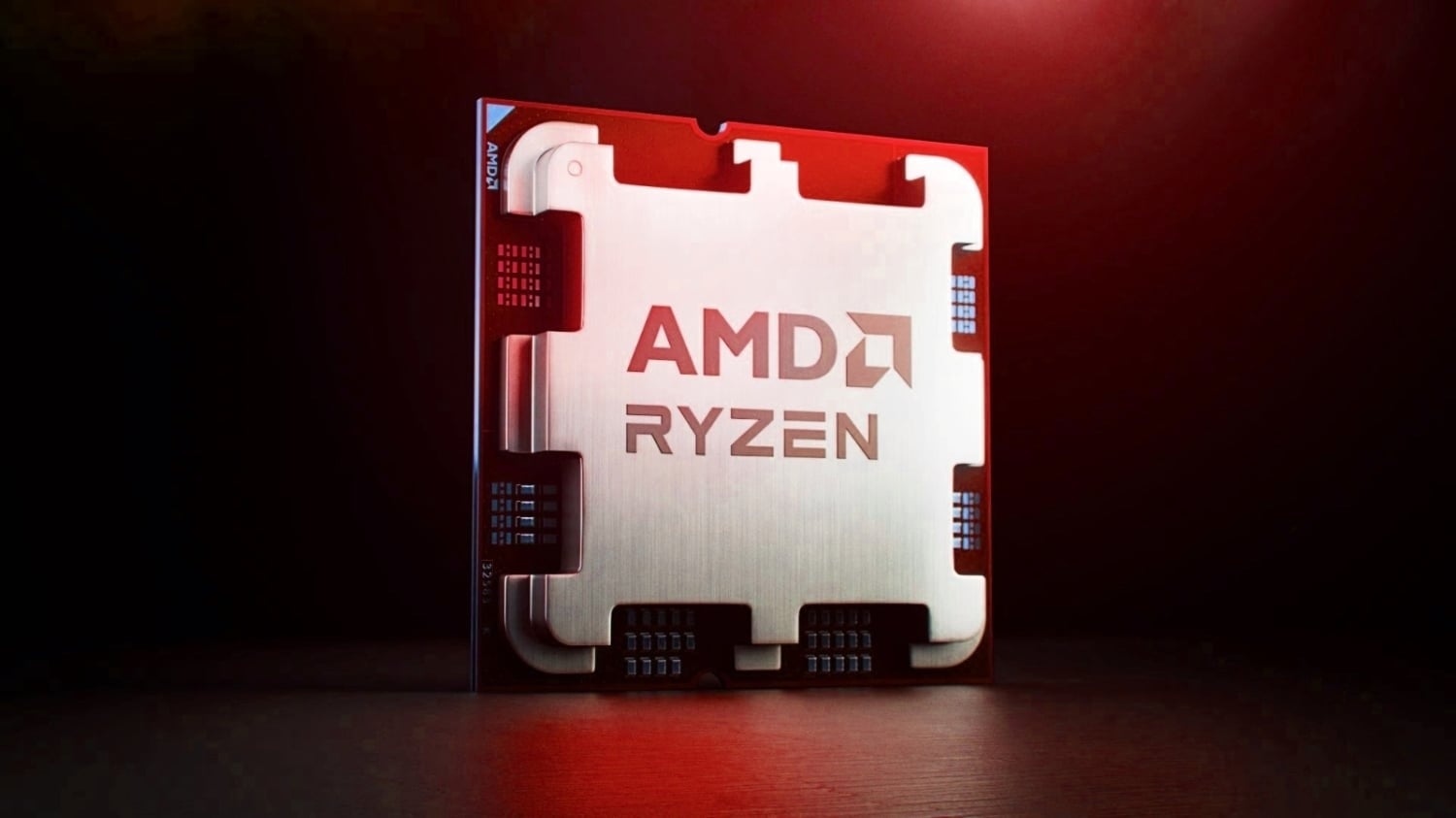
The relentless march of technological innovation rarely pauses for breath, and in the fiercely competitive world of semiconductor manufacturing, the pace is accelerating. Before AMD’s highly anticipated Zen 6 architecture has even seen the light of day, the tech community is abuzz with whispers and substantial leaks concerning its successor: Zen 7, codenamed “Prometheus.” These early revelations, primarily from the well-known leaker “Moore’s Law Is Dead,” paint a picture of a monumental leap forward, potentially redefining performance expectations for the next generation of computing. A reported 25% IPC (Instructions Per Cycle) upgrade over the unreleased Zen 6 is not just an incremental improvement; it’s a seismic shift that could solidify AMD’s position at the forefront of processor technology for years to come.
The Dawn of Prometheus: A Glimpse into Zen 7's Potential
The sheer audacity of a 25% IPC increase is difficult to overstate. For context, even a 10-15% IPC gain is considered significant in modern CPU development, often requiring substantial architectural overhauls. A 25% jump, especially when compared to an architecture that itself is yet to be released, suggests a radical rethinking of core design principles. This isn't merely about higher clock speeds; it's about the processor doing more work per clock cycle, leading to across-the-board performance enhancements in everything from gaming and content creation to scientific simulations and enterprise applications. Such a leap would translate into noticeably snappier responsiveness, faster rendering times, and more efficient energy consumption, marking a true generational upgrade.
Adding to the excitement is the rumored manufacturing process. Zen 7 is expected to utilize TSMC’s cutting-edge A14 node. This move to an advanced fabrication process is crucial. Smaller nodes allow for higher transistor density, which in turn enables more complex designs, lower power consumption, and potentially higher clock speeds. TSMC has been a pivotal partner for AMD, consistently delivering leading-edge process technology that has allowed the company to challenge and often surpass its rivals. The A14 node, representing the forefront of chip manufacturing, would provide the necessary foundation for Zen 7 to achieve its ambitious performance targets while maintaining power efficiency.
Strategic Compatibility: Easing the Upgrade Path
Perhaps one of the most consumer-friendly aspects of the Zen 7 leak is the strong indication of compatibility with existing AM5 motherboards. This is a critical strategic decision by AMD. In recent years, Intel has often required new motherboards with each major CPU generation, leading to higher upgrade costs for consumers. AMD, on the other hand, has historically championed longer socket lifespans, as seen with the AM4 platform which supported multiple generations of Ryzen processors. Extending AM5 compatibility to Zen 7 would be a significant win for consumers, allowing them to upgrade their CPU without the additional expense and hassle of replacing their motherboard and potentially RAM. This approach fosters customer loyalty and makes the upgrade path more accessible, potentially accelerating adoption rates for the new architecture.
This strategy also has broader market implications. By reducing the barrier to entry for new CPU generations, AMD encourages a more vibrant upgrade cycle within its ecosystem. It makes the initial investment in an AM5 platform more attractive, knowing that future upgrades won't necessitate a complete system overhaul. This commitment to platform longevity stands in stark contrast to some competitors and could be a key differentiator in attracting and retaining users in the long run.
Historical Context: AMD's Resurgence and the Zen Legacy
To truly appreciate the significance of Zen 7, one must look back at AMD's journey. For years, AMD struggled against Intel's dominance, often relegated to a distant second place. The introduction of the original Zen architecture in 2017 marked a dramatic turning point. It wasn't just an incremental improvement; it was a complete architectural reset that allowed AMD to compete head-on with Intel, often offering superior multi-core performance and better value. Each subsequent Zen iteration – Zen 2, Zen 3, Zen 4, and the upcoming Zen 5 and Zen 6 – has built upon this foundation, refining the architecture, improving IPC, and pushing the boundaries of core counts and efficiency.
The Zen architecture's success has been multifaceted:
* Chiplet Design: AMD pioneered the widespread use of chiplets in mainstream CPUs, allowing for greater scalability and better yield management. * IPC Improvements: Each generation has brought steady, significant gains in Instructions Per Cycle, directly translating to better performance. * Platform Longevity: The AM4 socket, and now AM5, have offered users extended upgrade paths, fostering a loyal customer base. * Competitive Pricing: AMD has consistently offered compelling performance-to-price ratios, forcing competitors to adjust their strategies.
If the Zen 7 leaks hold true, it signifies that AMD is not resting on its laurels but is aggressively pursuing innovation to maintain its competitive edge. This continuous drive for improvement is what keeps the CPU market dynamic and beneficial for consumers.
The Road Ahead: Implications for the Tech Landscape
The potential arrival of Zen 7 with such a substantial performance uplift carries significant implications across the technology sector. For gamers, it means even higher frame rates, smoother gameplay, and the ability to run demanding titles at higher resolutions and settings. For professional content creators working with video editing, 3D rendering, or complex simulations, the increased IPC translates directly into faster workflows and reduced project times. Data centers and enterprise clients could see significant gains in efficiency and processing power, potentially reducing operational costs and enabling more ambitious computing tasks.
Moreover, a powerful Zen 7 could intensify the competition with Intel, potentially spurring both companies to innovate even faster. This 'arms race' in CPU development ultimately benefits the end-user, leading to more powerful, efficient, and affordable computing solutions. The rumored AM5 compatibility also reinforces AMD's commitment to its ecosystem, making it a more attractive long-term investment for PC builders and enthusiasts.
While these are still leaks and subject to change, the consistent nature of the information from reputable sources suggests a high degree of veracity. The 'Prometheus' codename itself evokes a sense of bringing new fire and enlightenment to humanity – a fitting moniker if Zen 7 delivers on its promise of a revolutionary performance leap. As the tech world eagerly awaits official announcements, these early glimpses into Zen 7 paint a thrilling picture of the future of computing, where performance boundaries are continually pushed, and innovation remains the driving force.
Stay Informed
Get the world's most important stories delivered to your inbox.
No spam, unsubscribe anytime.
Comments
No comments yet. Be the first to share your thoughts!