America's Complicated Love Affair with the iPhone: A Digital Tether
The iPhone has become an indispensable part of American life, blurring lines between convenience and dependence. This article explores the deep-seated attachment users have to their devices, examining the psychological, social, and economic factors that underpin this complex relationship. From its role as a personal assistant to a social connector, we delve into why Americans find it hard to imagine life without their iPhones, despite occasional desires for digital detox.
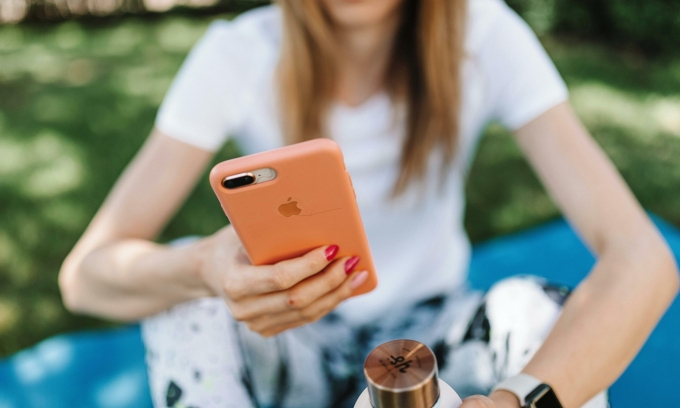
In the bustling tapestry of modern American life, few objects command as much attention, devotion, and sometimes, exasperation, as the Apple iPhone. It's more than just a smartphone; it's a digital appendage, a personal assistant, a social conduit, and for many, a symbol of status and connection. The relationship Americans have with their iPhones is a quintessential love-hate dynamic, a paradoxical blend of indispensable utility and nagging dependence. This intricate bond, explored by sources like VnExpress International, highlights how deeply embedded these devices have become in our daily existence, transforming everything from communication to commerce.
The Genesis of an Obsession: From Gadget to Necessity
The iPhone's journey from a revolutionary gadget in 2007 to an omnipresent necessity is a testament to Apple's masterful blend of design, marketing, and technological innovation. Steve Jobs' vision of a device that combined an iPod, a phone, and an internet communicator in one sleek package fundamentally reshaped the mobile landscape. Early adopters quickly recognized its potential, and as the App Store blossomed, offering an ever-expanding universe of functionalities, the iPhone transcended its initial purpose. It became a camera, a navigation system, a banking portal, a fitness tracker, and an entertainment hub – all rolled into one intuitive interface.
This rapid integration into daily life wasn't accidental. Apple cultivated an ecosystem that made switching difficult and staying easy. iMessage, FaceTime, and seamless integration with other Apple products like Macs and Apple Watches created a sticky user experience. The device became a gateway to personal and professional productivity, making it increasingly challenging to function without it. For many, the thought of a day without their iPhone evokes a sense of anxiety, a feeling of being disconnected from the world, both personally and professionally. This psychological dependency is a key component of the American 'obsession'.
The Psychological Tether: Convenience vs. Control
The convenience offered by the iPhone is undeniable. Need to check the weather? It's there. Want to order food? A few taps. Lost in a new city? GPS guides you. Instant access to information and services has become a baseline expectation. This constant availability, however, comes at a cost. The line between using the device for convenience and being controlled by it often blurs. Notifications, once helpful reminders, can become incessant demands for attention, pulling users away from real-world interactions and tasks.
Research consistently points to the psychological impact of smartphone use. Studies show that excessive screen time can lead to sleep disturbances, reduced attention spans, and even increased feelings of anxiety and depression for some individuals. The phenomenon of 'nomophobia' (no mobile phone phobia) is a recognized anxiety disorder characterized by a fear of being without a mobile phone or unable to use it. While not everyone experiences nomophobia, a significant portion of the population admits to feeling uneasy or agitated when separated from their device. This illustrates the deep psychological tether that binds Americans to their iPhones, highlighting a complex interplay between genuine utility and a perceived inability to cope without it.
Social Fabric and Economic Impact
Beyond individual psychology, the iPhone has profoundly reshaped America's social fabric. It's the primary tool for social media engagement, allowing instant sharing of life's moments, from mundane updates to significant milestones. Group chats, video calls, and shared experiences through apps like Instagram and TikTok are now integral to how many maintain relationships and participate in social circles. For younger generations, the smartphone is often the primary means of social interaction, shaping communication norms and expectations.
Economically, the iPhone's influence is equally monumental. It powers the gig economy, enabling ride-sharing, food delivery, and freelance work. It's a critical tool for small businesses, facilitating mobile payments, inventory management, and customer communication. The sheer volume of transactions and services conducted via smartphones contributes significantly to the digital economy. Furthermore, the iPhone itself is a multi-billion dollar industry, supporting countless jobs in manufacturing, software development, retail, and telecommunications. Its annual product cycles drive consumer spending and technological advancement, making it a vital component of the broader tech sector and the American economy at large.
The Desire for Disconnection: Seeking Digital Detox
Despite the deep integration and undeniable benefits, there's a growing undercurrent of desire among Americans to 'unplug'. The constant barrage of information, the pressure to be always-on, and the feeling of being perpetually tethered have led many to seek digital detoxes or to consciously limit their screen time. This yearning for disconnection often stems from a recognition that while the iPhone offers connection, it can also foster distraction and diminish genuine human interaction.
Apple itself has acknowledged this sentiment, introducing features like Screen Time and Focus Modes to help users manage their usage. These tools, ironically delivered through the very devices they aim to regulate, reflect a societal recognition that the balance between digital engagement and real-world presence needs careful calibration. The paradox is that even the act of seeking disconnection often begins with a conscious decision made on the iPhone itself, highlighting the device's pervasive role even in our attempts to escape it.
The Future of the Digital Tether: Evolution, Not Revolution?
Looking forward, it's unlikely that Americans will suddenly abandon their iPhones en masse. The convenience and utility are simply too great. Instead, the relationship is likely to evolve. We may see further integration with augmented reality (AR), more sophisticated AI assistants, and even more seamless connectivity with other smart devices in our homes and cars. The form factor might change, perhaps moving towards more wearable tech or less obtrusive interfaces, but the core function of a personal digital hub will remain.
However, there will also be a continued push for healthier digital habits. Education on mindful technology use, the development of more intuitive and less addictive interfaces, and a greater societal emphasis on digital well-being will shape how we interact with these powerful tools. The American love affair with the iPhone is indeed complicated, a dance between dependence and empowerment. Understanding this dynamic is crucial, as it reflects not just our relationship with a piece of technology, but with the very fabric of modern life itself. The iPhone remains a talisman, powerful and pervasive, and learning to wield its magic responsibly will be the ongoing challenge for generations to come.
Stay Informed
Get the world's most important stories delivered to your inbox.
No spam, unsubscribe anytime.
Comments
No comments yet. Be the first to share your thoughts!