America's iPhone Affair: A Love-Hate Relationship Redefining Modern Life
The iPhone has become an indispensable part of American life, a device simultaneously adored for its convenience and loathed for its pervasive influence. This deep dive explores the complex relationship Americans have with their smartphones, examining how these devices have reshaped social norms, productivity, and even personal identity. From digital addiction to the pursuit of mindfulness, the article uncovers the paradoxical bond between users and their pocket-sized supercomputers, questioning whether a life without them is truly imaginable.
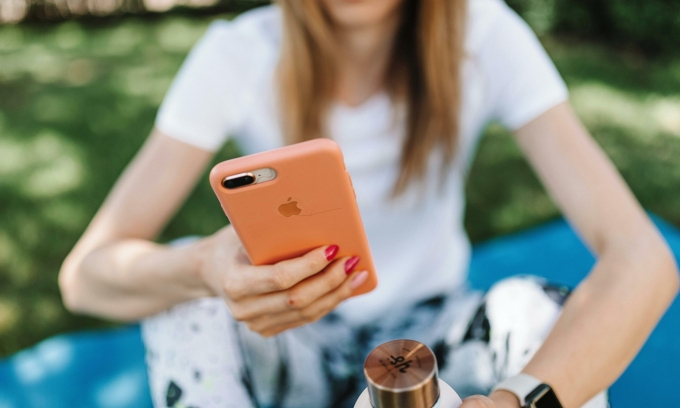
In the bustling tapestry of modern American life, few objects hold as much sway, evoke as much devotion, or spark as much internal conflict as the iPhone. It's more than just a phone; it's a digital appendage, a portable portal to an infinite universe of information, entertainment, and connection. For many, it feels like a talisman so magical that the thought of living without its myriad pleasures and conveniences – available almost anytime, anywhere – is simply unfathomable. Yet, beneath this veneer of indispensable utility lies a complicated, often contradictory, relationship: a profound love-hate affair that mirrors the broader societal entanglement with technology.
This isn't merely about making calls or sending texts anymore. The iPhone, and its smartphone brethren, have fundamentally altered the fabric of daily existence. From instantly sharing pictures of a child's first steps to navigating unfamiliar cities, from managing finances to streaming the latest blockbuster, these devices are central to how Americans live, work, and play. But this omnipresence comes at a cost, raising critical questions about digital well-being, privacy, and the very nature of human interaction in an increasingly connected world.
The Irresistible Allure: Convenience and Connection
At its core, the iPhone's success stems from its unparalleled ability to offer convenience and connection on demand. Before smartphones, coordinating a group outing involved multiple phone calls or emails; now, a few taps in a messaging app suffice. Capturing life's fleeting moments once required a dedicated camera, often left at home; today, a high-quality lens is always in your pocket, ready to document and instantly share. This seamless integration into daily routines has fostered a dependence that is both practical and psychological.
Consider the sheer breadth of tasks an iPhone can accomplish: it's an alarm clock, a calendar, a personal assistant, a fitness tracker, a mobile bank, a news aggregator, a gaming console, and a library all rolled into one sleek package. This consolidation of functions has made it an indispensable tool for productivity and organization. For many professionals, it's an extension of their office, allowing them to respond to emails, review documents, and participate in virtual meetings from virtually anywhere. For students, it's a research tool, a study aid, and a communication hub. The convenience factor is undeniable, saving time and simplifying countless aspects of modern life.
Beyond utility, the iPhone acts as a primary conduit for social connection. Social media platforms, messaging apps, and video calls keep friends and family connected across distances, fostering a sense of community and belonging. This constant access to social networks can be a powerful antidote to loneliness, particularly in an increasingly mobile society where physical proximity to loved ones is not always guaranteed. The ability to instantly share experiences, celebrate milestones, and offer support has woven the iPhone deeply into the emotional landscape of its users.
The Shadow Side: Addiction and Disconnection
Yet, the very features that make the iPhone so appealing also contribute to its darker side. The constant notifications, the endless scroll of social media feeds, and the gamified nature of many apps are designed to capture and retain attention, often leading to problematic usage patterns that border on addiction. Studies have shown that many Americans check their phones hundreds of times a day, often without conscious thought. This compulsive behavior can manifest as:
* Phantom vibrations: Feeling your phone vibrate when it hasn't. * Anxiety when separated: Experiencing distress or unease when the phone is out of reach or battery is low. * Sleep disruption: The blue light emitted by screens interfering with melatonin production. * Reduced attention spans: Difficulty focusing on tasks requiring sustained concentration.
This constant digital engagement often comes at the expense of real-world interactions. Family dinners are punctuated by glowing screens, conversations are interrupted by incoming alerts, and the art of simply 'being present' seems to be eroding. The paradox is stark: a device designed for connection can, ironically, lead to profound disconnection from immediate surroundings and loved ones. The fear of missing out (FOMO) drives continuous engagement, creating a vicious cycle where users feel compelled to stay online, even when they desire a break.
The Quest for Digital Wellness and Mindfulness
Recognizing the growing concerns, both consumers and tech companies are beginning to address the issue of digital wellness. Apple itself has introduced features like 'Screen Time,' allowing users to monitor and limit their app usage, set downtime, and establish communication limits. Third-party apps offer similar functionalities, aiming to help users reclaim control over their digital habits. The rise of digital detox retreats and mindfulness practices specifically designed to combat smartphone overuse further underscores the societal recognition of this problem.
However, the path to digital wellness is fraught with challenges. The pervasive nature of smartphones means that completely disengaging is often impractical, if not impossible, for many. Work, education, and social life are increasingly intertwined with these devices. The goal, therefore, shifts from complete abstinence to mindful engagement – learning to use the technology as a tool rather than allowing it to become a master. This involves setting boundaries, prioritizing real-life interactions, and consciously choosing when and how to engage with digital content.
The Future of Our Digital Companionship
As technology continues to evolve, so too will our relationship with the iPhone and its successors. The advent of augmented reality (AR), advanced AI, and increasingly sophisticated wearable tech promises even deeper integration into our lives. The line between human and machine will likely blur further, presenting new opportunities for convenience and connection, but also new challenges for maintaining human agency and well-being.
The American love affair with the iPhone is a microcosm of a global phenomenon. It reflects our innate desire for efficiency, entertainment, and connection, but also our struggle to balance technological advancement with human needs. The question is no longer whether we can live without our iPhones, but rather, how we can live with them in a way that enriches our lives rather than detracting from them. The ongoing dialogue about digital ethics, responsible design, and personal boundaries will shape the future of this complex companionship, determining whether these devices remain magical talismans or become digital shackles. The journey towards a more balanced digital existence is just beginning, and it requires a collective commitment to understanding and managing our most intimate technological relationships.
Stay Informed
Get the world's most important stories delivered to your inbox.
No spam, unsubscribe anytime.
Comments
No comments yet. Be the first to share your thoughts!