Android 17 Unveiled: A Deep Dive into Google's AI-Powered Future and Revolutionary Features
Google's recent Android Show offered a tantalizing glimpse into Android 17, revealing a suite of transformative upgrades. From deeply integrated AI tools powered by Gemini to enhanced security protocols and expressive 3D emojis, this update promises to redefine the smartphone experience. PulseWorld explores the implications of these advancements for users and the broader tech landscape.
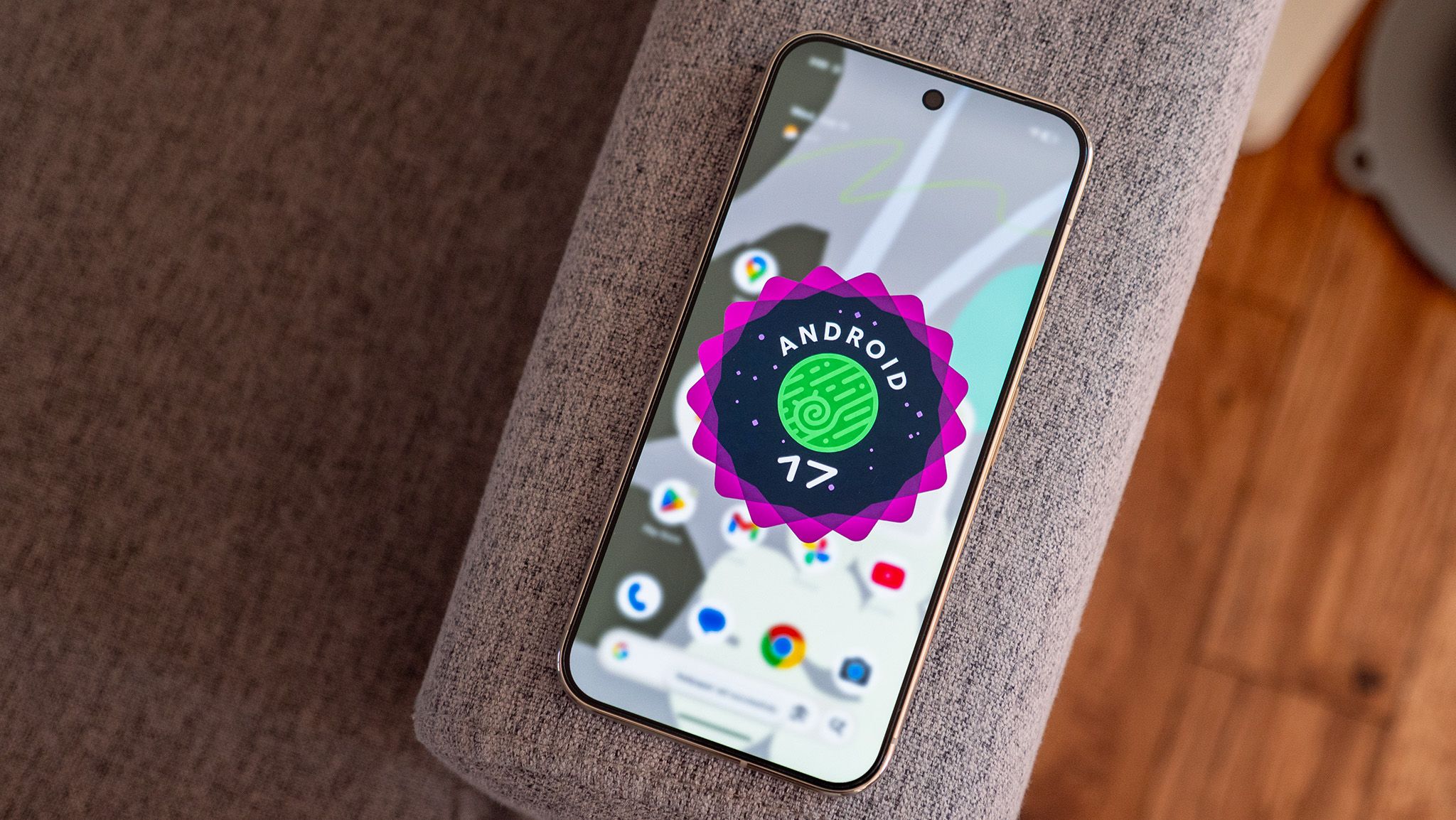
The digital world is on the cusp of another significant evolution, and at its heart lies Google's upcoming Android 17. Unveiled at the much-anticipated Android Show, just weeks before the annual I/O 2026 developer conference, this new iteration of the world's most popular mobile operating system is poised to deliver a paradigm shift in how we interact with our devices. Far from a mere incremental update, Android 17 is a bold declaration of Google's vision for an AI-first future, interwoven with substantial leaps in user experience, privacy, and personalization. As a leading voice in technology journalism, PulseWorld delves into the core innovations that will soon be in the palm of billions of hands, examining their potential impact and the strategic implications for the tech industry.
The Dawn of Hyper-Intelligent AI: Gemini's Deep Integration
At the forefront of Android 17's advancements is the pervasive integration of Gemini, Google's cutting-edge AI model. While AI has been a growing presence in Android for several versions, Android 17 marks a pivotal moment where Gemini transitions from a powerful assistant to an intrinsic, foundational layer of the operating system. This isn't just about smarter voice commands or improved photo suggestions; it's about a contextual intelligence that anticipates user needs, streamlines workflows, and offers proactive assistance across the entire device ecosystem.
Imagine an AI that not only understands your schedule but also proactively suggests routes based on real-time traffic, optimizes battery usage according to your daily patterns, and even helps draft emails or summarize lengthy documents with unprecedented accuracy. Google demonstrated several compelling use cases, including a feature that allows Gemini to analyze on-screen content in real-time, offering relevant information or actions without requiring the user to switch apps. For instance, while viewing a restaurant review, Gemini could instantly provide reservation options or directions. This level of ambient intelligence is a game-changer, moving beyond reactive commands to truly predictive and personalized interactions. Experts like Dr. Anya Sharma, a leading AI ethicist, note, “The true test of Gemini's integration will be its ability to balance profound utility with user privacy, ensuring that this omnipresent intelligence serves, rather than surveils.” The potential for increased productivity and a more seamless digital life is immense, but it also raises important questions about data processing and user control, which Google has assured will be addressed with robust privacy settings.
Express Yourself: The Revolution of 3D Emojis and Enhanced Communication
Communication is the bedrock of human interaction, and Android 17 is set to inject a new dimension of expressiveness with the introduction of 3D emojis. Moving beyond the flat, static representations we've grown accustomed to, these dynamic, animated emojis promise to convey emotions and nuances with far greater fidelity. This upgrade isn't merely aesthetic; it taps into the growing demand for richer, more immersive digital communication, especially among younger demographics who often rely heavily on visual cues.
The new 3D emojis are designed to be highly customizable, allowing users to tweak colors, textures, and even add subtle animations, reflecting their unique personality. This feature extends beyond standard messaging apps, with Google indicating deep integration into video calls, social media platforms, and even augmented reality experiences. “The evolution from text to emojis, and now to 3D animated emojis, reflects a fundamental shift in how we communicate digitally,” explains Professor Mark Chen, a digital media specialist. “It's about conveying emotion and personality in a way that text alone often fails to capture.” This push towards more engaging visual communication also aligns with broader trends in digital content creation, where platforms are increasingly prioritizing interactive and dynamic elements. Furthermore, Android 17 is expected to enhance messaging capabilities with improved real-time translation features, making cross-cultural communication more fluid than ever before, leveraging Gemini's linguistic prowess.
Fortifying the Digital Fortress: Next-Gen Security and Privacy Features
In an era where digital threats are constantly evolving, Android 17 places a significant emphasis on security and privacy. Google has unveiled a suite of robust features designed to give users greater control over their data and protect them from malicious actors. A standout innovation is the enhanced Privacy Dashboard, which now offers granular control over app permissions, providing clear, actionable insights into how apps are accessing personal data. Users will receive more intuitive notifications about data usage and be able to revoke permissions with unprecedented ease.
Another critical security upgrade is the introduction of Adaptive Security, a system that uses machine learning to dynamically adjust security protocols based on user behavior and environmental factors. For example, if a user is connected to an unfamiliar public Wi-Fi network, Adaptive Security might automatically enable a VPN or restrict access to sensitive applications until a more secure connection is established. This proactive approach significantly reduces the attack surface for potential threats. Furthermore, Android 17 will feature advanced biometric authentication methods, including improved facial recognition and in-display fingerprint sensors that are faster and more secure than previous iterations. The operating system will also introduce a new Secure Enclave for storing sensitive information like digital IDs and payment credentials, isolated from the main OS to prevent unauthorized access. These measures collectively represent a significant step forward in making Android devices more resilient against cyber threats, addressing growing user concerns about data breaches and personal information misuse.
Ecosystem Harmony: Seamless Device Interoperability and Productivity Enhancements
Android 17 is not just about individual device improvements; it's about creating a more cohesive and productive ecosystem. Google is pushing for greater interoperability across Android devices, Chromebooks, and even smart home gadgets. Users can expect a more fluid experience when switching between their phone, tablet, and laptop, with features like universal copy-paste, seamless media handoff, and unified notification management. This focus on ecosystem harmony aims to reduce friction and enhance productivity for users who operate across multiple devices throughout their day.
Specific productivity enhancements include an overhaul of the notification system, making it smarter and less intrusive, with AI-driven prioritization. The new Focus Mode will be more customizable, allowing users to tailor their digital environment to specific tasks, minimizing distractions. For professionals, Android 17 introduces advanced multi-tasking capabilities, including improved split-screen functionality and floating windows that are more intuitive and powerful. The integration with Google Workspace is also set to deepen, offering more seamless transitions between mobile and desktop applications. These enhancements reflect Google's understanding that modern users demand a connected and efficient digital life, where their devices work in concert rather than in isolation.
The Road Ahead: Implications for Developers and the Future of Mobile
Android 17 represents a significant undertaking for Google, with profound implications for developers and the broader mobile industry. The deep integration of Gemini will necessitate new approaches to app development, encouraging developers to leverage AI APIs to create more intelligent and personalized experiences. Google is providing extensive new developer tools and resources to facilitate this transition, emphasizing ethical AI development and responsible data handling.
The shift towards 3D emojis and richer communication also opens new avenues for creative expression within apps, from social media to gaming. For hardware manufacturers, the enhanced security features and improved performance will likely drive innovation in chip design and biometric technology. Ultimately, Android 17 is more than just an operating system update; it's a strategic move by Google to solidify its position at the forefront of the AI revolution, making the smartphone an even more indispensable and intelligent companion. As we approach I/O 2026, the developer community eagerly awaits the technical deep dives that will illuminate the path forward, shaping the next generation of mobile experiences. The future of Android is intelligent, secure, and deeply personal, promising a digital landscape where technology truly anticipates and serves human needs.
Stay Informed
Get the world's most important stories delivered to your inbox.
No spam, unsubscribe anytime.
Comments
No comments yet. Be the first to share your thoughts!