ASUS Chromebook CM14 Redefines Portable Productivity: A Deep Dive into its Ecosystem Impact
ASUS has unveiled its latest innovation, the Chromebook CM14, a device poised to reshape expectations for affordable, portable computing. Featuring a 14-inch WUXGA display and powered by the MediaTek Kompanio 540 processor, this new Chromebook aims to deliver robust performance for students and professionals alike. This article explores its specifications, market positioning, and the broader implications for the ChromeOS ecosystem, highlighting its potential to democratize access to efficient computing.
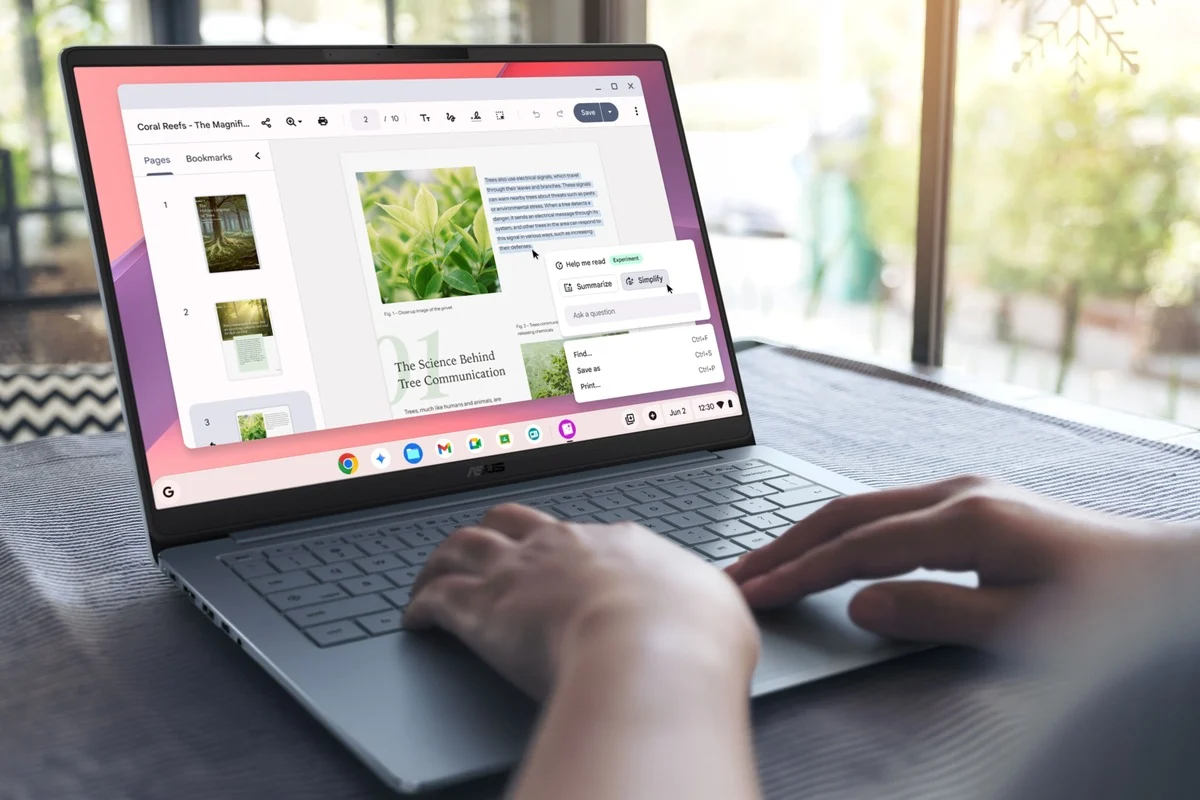
In an era where digital agility is paramount, ASUS has consistently pushed the boundaries of accessible technology. Their latest offering, the ASUS Chromebook CM14, emerges not just as another device, but as a strategic move to redefine portable productivity and educational accessibility. Announced recently, this new Chromebook is set to capture the attention of a wide demographic, from students navigating online learning to professionals seeking a lightweight, secure, and cost-effective computing solution.
The CM14 isn't merely an incremental update; it represents ASUS's commitment to the ChromeOS platform, leveraging its strengths to deliver a compelling user experience. With a focus on essential performance, robust security, and extended battery life, the CM14 is designed to seamlessly integrate into the daily routines of its users, promising efficiency without the premium price tag often associated with high-performance laptops.
Design and Display: Clarity Meets Portability
At the heart of the ASUS Chromebook CM14's appeal is its 14-inch WUXGA display. This resolution, typically 1920x1200 pixels, offers a significant upgrade over standard HD panels often found in this price segment. The WUXGA aspect ratio (16:10) provides more vertical screen real estate, which is invaluable for productivity tasks like document editing, web browsing, and coding, reducing the need for constant scrolling. This crisp, vibrant display ensures that text is sharp and images are clear, making it suitable for both detailed work and multimedia consumption.
Beyond the display, the physical design of the CM14 emphasizes portability and durability. Chromebooks, by nature, are often designed for on-the-go use, and the CM14 is no exception. While specific weight and dimensions are yet to be fully detailed, ASUS's track record suggests a slim, lightweight chassis that can withstand the rigors of daily travel. The build quality, often featuring robust hinges and spill-resistant keyboards in similar models, will likely contribute to its longevity, making it a reliable companion for students and mobile workers.
Performance Under the Hood: MediaTek Kompanio 540 and System Efficiency
Powering the ASUS Chromebook CM14 is the MediaTek Kompanio 540 processor. This choice is particularly noteworthy as MediaTek has become a significant player in the ARM-based Chromebook market, offering a compelling balance of performance and power efficiency. The Kompanio 540 is designed to handle the typical workload of ChromeOS users with ease, from multiple browser tabs and video conferencing to light photo editing and Android app usage. Its architecture is optimized for sustained performance, ensuring a smooth and responsive experience throughout the day.
Complementing the processor, the CM14 supports up to 8GB LPDDR5x RAM. This high-speed, low-power memory is crucial for multitasking, allowing users to switch between applications without noticeable lag. The jump to LPDDR5x from previous generations signifies a commitment to future-proofing the device, providing ample bandwidth for demanding web applications and the ever-growing ecosystem of Android apps on ChromeOS. For storage, the inclusion of 128GB eMMC storage offers a good balance of speed and capacity for a Chromebook, which heavily relies on cloud storage. While not as fast as NVMe SSDs, eMMC is perfectly adequate for ChromeOS, ensuring quick boot times and snappy application loading for local files.
The ChromeOS Advantage: Security, Simplicity, and Ecosystem
The ASUS Chromebook CM14 runs on ChromeOS, Google's cloud-centric operating system. This is perhaps its most significant feature, offering a unique blend of advantages:
* Security: ChromeOS is renowned for its robust security features, including automatic updates, sandboxing, and verified boot. These measures significantly reduce the risk of malware and viruses, making it an ideal choice for users who prioritize digital safety, particularly in educational and corporate environments. * Simplicity: The operating system is incredibly user-friendly, with a clean interface and intuitive navigation. Its minimalist design means a shorter learning curve for new users and less clutter, allowing for greater focus on tasks. * Speed: Chromebooks are known for their fast boot times, often ready to use in mere seconds. This instant-on capability is a huge benefit for students rushing to class or professionals needing quick access to information. * Cloud Integration: Deep integration with Google services like Google Drive, Docs, Sheets, and Slides makes collaboration seamless and ensures data is always backed up and accessible from anywhere. This cloud-first approach minimizes reliance on local storage and enhances flexibility. * Android App Support: The ability to run Android apps from the Google Play Store vastly expands the functionality of Chromebooks, turning them into versatile devices capable of handling a wide array of tasks, from gaming to productivity applications not natively available on the web.
Market Positioning and Target Audience: Education and Beyond
The ASUS Chromebook CM14 is strategically positioned to appeal to several key market segments. Historically, Chromebooks have found a strong foothold in the education sector due to their affordability, ease of management, and robust security. The CM14's specifications, particularly its WUXGA display and efficient processor, make it an excellent tool for students engaged in research, writing, and online collaboration.
Beyond education, the CM14 also targets casual users and professionals who require a reliable, portable device for web browsing, email, video conferencing, and cloud-based productivity. Its long battery life (a common trait for Kompanio-powered Chromebooks) means users can work or study for extended periods without needing to find a power outlet. The increasing sophistication of web applications and the growing adoption of cloud computing further solidify the Chromebook's relevance in diverse professional settings. For small businesses or remote workers, the CM14 offers a secure and manageable endpoint at a fraction of the cost of traditional laptops.
The Future of Chromebooks: A Growing Ecosystem
The announcement of the ASUS Chromebook CM14 underscores a broader trend in the computing industry: the continued growth and evolution of the ChromeOS ecosystem. What began as a niche operating system for web browsing has matured into a versatile platform capable of handling a wide range of tasks. Google's continuous investment in ChromeOS, including enhancements to Android app integration, Linux app support, and enterprise features, ensures that Chromebooks remain competitive and relevant.
Statistics from market research firms consistently show strong growth in Chromebook sales, particularly in education and during periods of increased remote work. The affordability and simplicity of these devices resonate with consumers and institutions looking for practical solutions. The CM14, with its thoughtful balance of features and performance, is poised to contribute significantly to this growth, reinforcing the idea that powerful computing doesn't always require a hefty investment.
Looking ahead, the future of Chromebooks appears bright. As internet connectivity becomes more ubiquitous and cloud services more sophisticated, the advantages of a cloud-first operating system become even more pronounced. Devices like the ASUS Chromebook CM14 are not just meeting current demands but are also shaping expectations for what a modern, accessible computer should be. They represent a shift towards efficiency, security, and seamless integration into our increasingly digital lives, proving that sometimes, less truly is more.
In conclusion, the ASUS Chromebook CM14 is more than just a new laptop; it's a statement. It's a testament to ASUS's vision for accessible technology and Google's commitment to a robust, secure, and user-friendly computing experience. As it enters the market, it will undoubtedly empower a new generation of users, providing them with the tools they need to learn, create, and connect in an ever-evolving digital world. Its blend of a high-quality display, efficient performance, and the inherent benefits of ChromeOS makes it a formidable contender in the portable computing landscape.
Stay Informed
Get the world's most important stories delivered to your inbox.
No spam, unsubscribe anytime.
Comments
No comments yet. Be the first to share your thoughts!