Australian Women Charged with Crimes Against Humanity After Syria Return: A Global Precedent?
Two Australian women, Kawsar Abbas and Zeinab Ahmed, face charges of crimes against humanity after their return from Syria, marking a significant legal development in how nations address citizens linked to extremist groups. A third woman is charged with joining a terrorist organization. These cases highlight the complex legal and ethical challenges governments face in repatriating and prosecuting individuals associated with ISIS, setting a potential precedent for international justice and accountability.
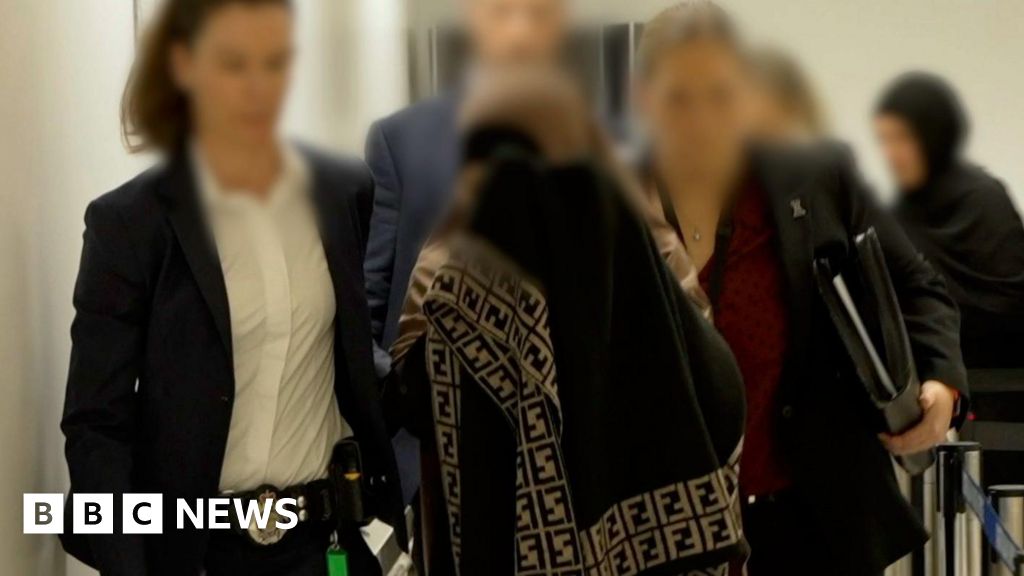
The legal landscape surrounding citizens who joined or supported extremist groups abroad, particularly the Islamic State (IS), has long been fraught with complexity. However, a recent development in Australia signals a potentially groundbreaking shift, as two women, Kawsar Abbas, 53, and her daughter Zeinab Ahmed, 31, have been formally charged with crimes against humanity after their repatriation from Syria. A third woman, whose identity remains undisclosed in initial reports, faces charges of joining a terrorist organization. These charges, unprecedented in their scope for Australian citizens returning from conflict zones, underscore the global challenge of accountability for atrocities committed under the banner of groups like IS, and raise profound questions about justice, rehabilitation, and national security.
The Long Shadow of ISIS: Repatriation and Accountability
For years, Western nations have grappled with the dilemma of what to do with their citizens, including women and children, who traveled to Syria and Iraq to live under the self-proclaimed caliphate of the Islamic State. The initial reluctance of many countries to repatriate these individuals stemmed from a mix of security concerns, legal ambiguities, and public opposition. However, as the humanitarian crisis in Syrian detention camps worsened, and the risk of radicalized individuals escaping or children growing up in extremist environments became more acute, some nations began to cautiously facilitate returns. Australia, after initial hesitations, has been among those to bring back a limited number of its citizens, predominantly women and children.
The charges against Abbas and Ahmed are particularly significant because they move beyond typical terrorism-related offenses, such as joining a foreign fighting force or supporting a terrorist organization, to the far graver category of crimes against humanity. This legal distinction implies a direct involvement in, or complicity with, widespread or systematic attacks against civilian populations. Such charges require robust evidence, often gathered from challenging environments, and signify a commitment to holding individuals accountable for the most heinous international crimes, regardless of where they were committed. The Australian Federal Police (AFP) and other agencies have undoubtedly undertaken extensive investigations, likely leveraging intelligence from international partners and evidence from the Syrian conflict zones, to build these cases.
Unpacking the Charges: Crimes Against Humanity
Crimes against humanity are defined under international law as specific acts committed as part of a widespread or systematic attack directed against any civilian population, with knowledge of the attack. These acts can include murder, extermination, enslavement, deportation or forcible transfer of population, imprisonment, torture, rape or other forms of sexual violence, persecution, and other inhumane acts. For Kawsar Abbas and Zeinab Ahmed to be charged with such offenses, prosecutors would need to demonstrate not only their presence within IS-controlled territory but also their direct or indirect participation in, or material contribution to, the systematic abuses perpetrated by the group. This could involve roles in IS's notorious morality police, administration, propaganda, or other functions that facilitated its reign of terror.
The legal precedent set by these charges is immense. Historically, prosecuting returning foreign fighters or affiliates has often focused on domestic terrorism laws. By invoking crimes against humanity, Australia is signaling a more expansive approach to justice, aligning itself with the principles of international criminal law. This approach could pave the way for similar prosecutions in other countries, pushing the boundaries of national jurisdictions to address transnational atrocities. It also sends a clear message that individuals who align themselves with groups like IS may face the highest possible legal consequences upon their return home, regardless of their perceived 'non-combatant' status within the caliphate.
The Broader Implications: Justice, Rehabilitation, and National Security
These charges open a new chapter in the complex narrative of post-ISIS accountability. For the victims of IS, particularly the Yazidi community and other persecuted minorities, such prosecutions offer a glimmer of hope for justice, even if indirect. It affirms that the world will not forget the atrocities committed and that perpetrators, regardless of their nationality, will eventually face reckoning.
From a national security perspective, these cases present a dual challenge. While successful prosecutions can deter others and incapacitate dangerous individuals, the process itself is resource-intensive and fraught with legal complexities. The collection of evidence from a war-torn region, the protection of witnesses, and the navigation of international legal frameworks all pose significant hurdles. Furthermore, the fate of the children born to or raised by these women remains a critical concern, requiring careful consideration of their welfare, de-radicalization, and integration into society.
A Global Precedent and the Future of Accountability
The Australian charges against Abbas and Ahmed could serve as a global precedent, influencing how other nations approach the prosecution of their citizens who were involved with extremist groups. It highlights a growing international consensus that mere membership or passive support for groups like IS may not suffice for justice, and that direct complicity in widespread human rights abuses must be addressed with the gravest legal tools available. This move by Australia reflects a maturing understanding of the diverse roles individuals played within the IS caliphate, from active fighters to those who enforced its brutal social order.
As these cases proceed through the Australian legal system, they will be closely watched by international legal experts, human rights organizations, and governments worldwide. The outcomes will not only determine the individual fates of the accused but also contribute to the evolving jurisprudence on international crimes and the responsibilities of states to prosecute their own citizens for atrocities committed abroad. It underscores the enduring commitment to the principle that there should be no safe haven for those who commit crimes against humanity, and that justice, however delayed, must ultimately prevail. The journey from the desolate camps of Syria to the courtrooms of Melbourne marks a significant step in the long and arduous pursuit of accountability for the horrors of the Islamic State.
Stay Informed
Get the world's most important stories delivered to your inbox.
No spam, unsubscribe anytime.
Comments
No comments yet. Be the first to share your thoughts!