Beyond the Headlines: Prince Abdul Mateen's ASEAN Presence Signals Brunei's Evolving Diplomacy
Prince Abdul Mateen of Brunei, son of Sultan Hassanal Bolkiah, captured global attention at the 48th ASEAN Summit in Cebu, not just for his royal lineage and striking appearance, but for his active participation in high-level diplomatic engagements. His presence underscores a generational shift in Brunei's foreign policy, blending tradition with modern public diplomacy. This article delves into the significance of his role, the historical context of Brunei's engagement with ASEAN, and the broader implications for regional stability and youth leadership.
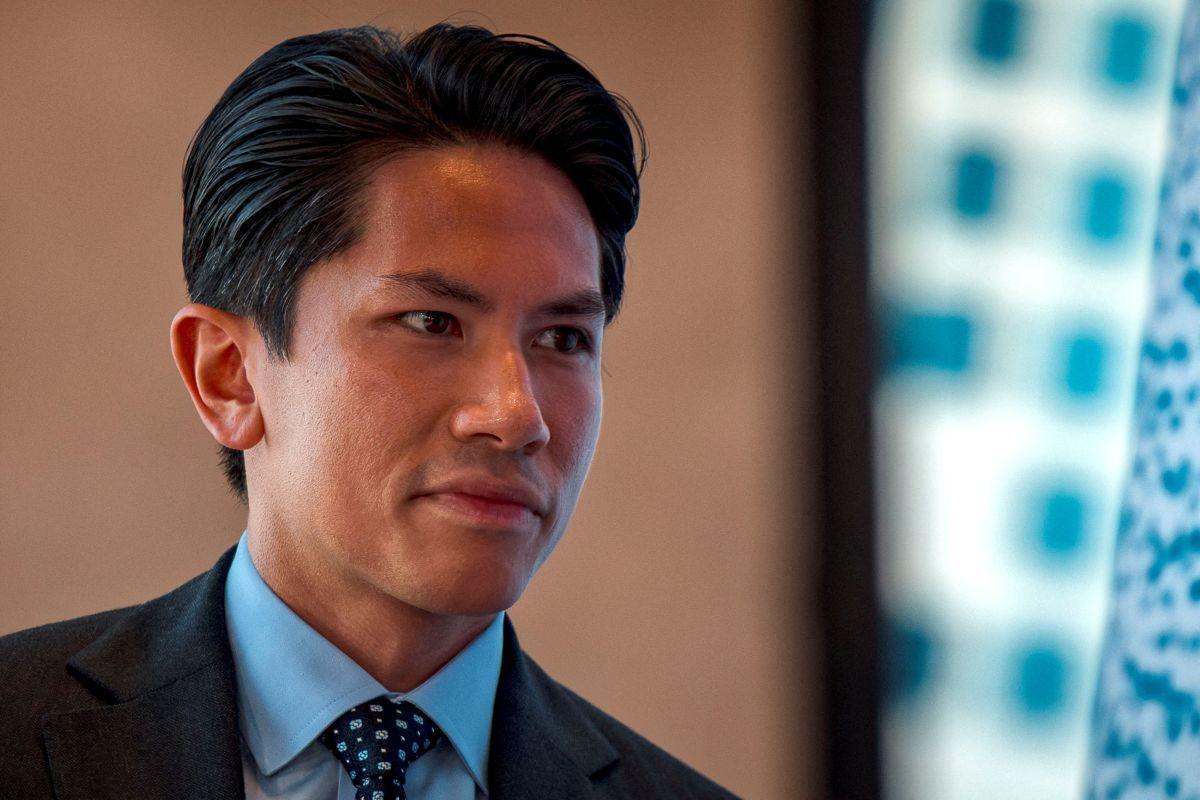
The recently concluded 48th ASEAN Summit in Cebu, Philippines, was a pivotal gathering for Southeast Asian leaders, addressing critical regional and global challenges. While the substantive discussions on economic cooperation, security, and climate change dominated the official agenda, an unexpected narrative emerged from the sidelines: the captivating presence of Prince Abdul Mateen of Brunei. Son of the world's longest-reigning monarch, Sultan Hassanal Bolkiah, the prince's attendance transcended mere royal protocol, offering a fascinating glimpse into the evolving face of Bruneian diplomacy and youth engagement on the international stage.
His striking good looks and charismatic demeanor quickly made him a focal point for media and attendees alike, earning him the moniker of a 'head-turner.' However, to reduce his participation to mere aesthetics would be to overlook the deeper strategic implications of his increasing visibility. Prince Mateen is not just a royal figurehead; he is a highly educated and actively involved member of the Bruneian government and military, representing a new generation poised to shape the future of his nation and its role within ASEAN.
The Royal Persona and Public Diplomacy
Prince Abdul Mateen's public image is meticulously cultivated, blending traditional royal gravitas with modern accessibility. A graduate of King's College London with a Master of Arts in International Studies and Diplomacy from the School of Oriental and African Studies (SOAS), University of London, his academic background is robust. Furthermore, his military career, including graduating from the Royal Military Academy Sandhurst as an officer cadet and qualifying as a helicopter pilot, adds another layer to his public persona, projecting discipline and capability. These credentials position him not just as a ceremonial figure but as a serious actor in international relations.
His engagement at the ASEAN Summit went beyond simply accompanying his father. He was observed participating in various sessions, interacting with other dignitaries, and engaging in bilateral meetings. This active involvement signals a deliberate strategy by Brunei to introduce its future leadership to the regional political landscape, fostering relationships and building trust early on. In an era where public perception and soft power are increasingly crucial, a young, articulate, and globally-minded royal can be an invaluable asset for a nation seeking to enhance its international standing and influence.
Brunei's Strategic Role in ASEAN
Brunei Darussalam, a small but strategically significant nation, has always played a constructive role within ASEAN. As a founding member, its foreign policy has consistently emphasized regional stability, economic integration, and multilateral cooperation. The Sultanate's vast oil and gas reserves have historically underpinned its economic strength, allowing it to maintain a degree of independence and influence disproportionate to its size. However, as the global energy landscape shifts and the imperative for economic diversification grows, Brunei's diplomatic efforts are becoming more nuanced.
ASEAN provides Brunei with a crucial platform to amplify its voice on regional security issues, promote its economic interests, and engage in collective problem-solving. The 48th Summit, for instance, likely touched upon ongoing South China Sea disputes, climate change resilience, and post-pandemic economic recovery – issues where Brunei's perspective, as a coastal nation with significant maritime interests, is vital. Prince Mateen's presence at such a forum indicates a commitment to continuity and a proactive approach to these complex challenges, ensuring Brunei's future leadership is well-versed in the intricacies of regional diplomacy.
A Generational Shift in Regional Leadership
The increasing prominence of younger royals and political figures across Southeast Asia reflects a broader generational shift in regional leadership. As founding fathers and long-serving leaders gradually cede power, a new cohort is emerging, often with Western education, global perspectives, and a greater understanding of digital diplomacy and public engagement. Prince Abdul Mateen is a prime example of this trend. His ability to connect with diverse audiences, both traditional and modern, through platforms like social media, offers a new dimension to Brunei's diplomatic outreach.
This shift is not merely cosmetic; it has substantive implications. Younger leaders are often more attuned to issues like climate change, technological innovation, and youth empowerment. Their networks extend beyond traditional diplomatic circles, potentially fostering new avenues for cooperation and dialogue. For ASEAN, this influx of fresh perspectives could invigorate discussions and drive forward initiatives that resonate with the region's predominantly young population. The image of a dynamic, engaged royal can inspire confidence and attract investment, projecting an image of stability and progress for Brunei.
Implications for Regional Stability and Youth Engagement
Prince Mateen's growing role carries significant implications for both regional stability and youth engagement. His active participation in high-level events like the ASEAN Summit helps to solidify Brunei's commitment to multilateralism and regional cooperation. In a geopolitical landscape marked by increasing competition among global powers, a unified and cohesive ASEAN is more important than ever. The presence of future leaders like Prince Mateen reinforces this unity and signals a long-term vision for the bloc.
Furthermore, his public profile serves as an inspiration for youth across the region. In many Southeast Asian nations, young people constitute a significant demographic, and their engagement in civic and political life is crucial for sustainable development. A royal figure who is not only educated and accomplished but also actively involved in national and international affairs can serve as a powerful role model, encouraging younger generations to take an interest in diplomacy, public service, and regional issues. His ability to blend traditional duties with modern interests, such as sports and social media, makes him relatable to a younger demographic, potentially bridging the gap between governance and the aspirations of the youth.
Conclusion: A New Era of Bruneian Diplomacy
Prince Abdul Mateen's impactful presence at the 48th ASEAN Summit was more than just a fleeting moment of celebrity; it was a carefully orchestrated demonstration of Brunei's evolving diplomatic strategy. It highlighted a deliberate effort to project a modern, dynamic image of the Sultanate, while simultaneously preparing its future leadership for the complexities of global governance. His blend of traditional royal duty, military discipline, and international academic prowess positions him as a significant figure to watch in the coming decades.
As Brunei navigates the challenges of economic diversification, climate change, and regional security, the active engagement of figures like Prince Mateen will be crucial. His role symbolizes a forward-looking approach, ensuring that Brunei remains a relevant and influential voice within ASEAN and on the broader international stage. The 'head-turner' at Cebu was, in fact, turning heads towards a new era of Bruneian diplomacy, one that promises continued stability, thoughtful engagement, and a renewed focus on the future of Southeast Asia.
Stay Informed
Get the world's most important stories delivered to your inbox.
No spam, unsubscribe anytime.
Comments
No comments yet. Be the first to share your thoughts!