Burkina Faso's Junta Intensifies Crackdown, Silencing Over 900 Civil Society Groups
Burkina Faso's military junta has dramatically escalated its suppression of civil society, suspending an additional 247 associations, bringing the total to over 900 organizations closed or dissolved in just over a month. This alarming trend signals a tightening grip on dissent and a severe erosion of democratic space in the West African nation. The move raises serious concerns about human rights, humanitarian aid, and the future of independent voices under military rule.
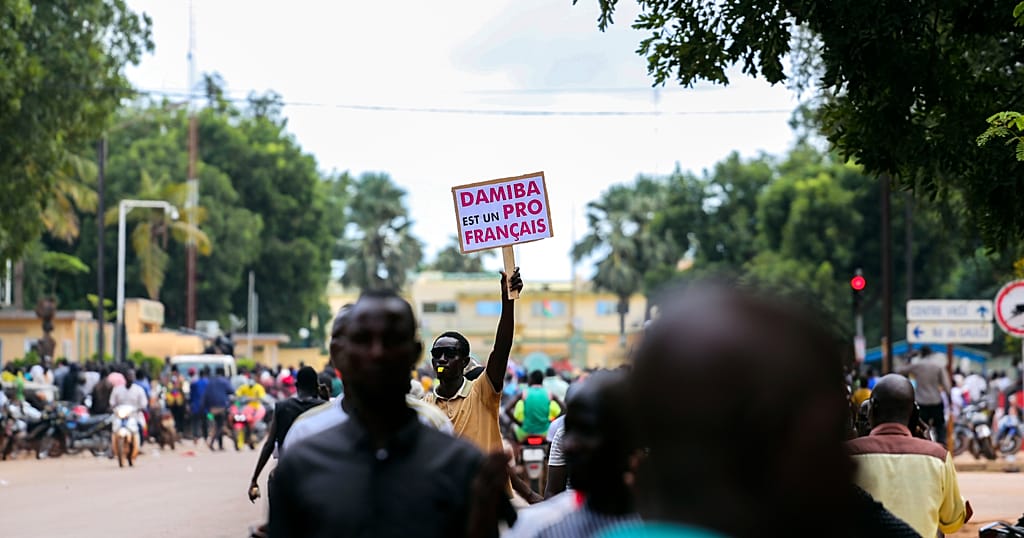
In a move that sends chilling reverberations across the West African sub-region and beyond, Burkina Faso’s military rulers have dramatically intensified their crackdown on non-governmental organizations (NGOs) and civil society groups. On Tuesday, the junta announced the suspension of a further 247 associations, pushing the total number of organizations closed or dissolved since last month to a staggering more than 900. This aggressive campaign of suppression underscores a deepening authoritarian turn, effectively silencing critical voices and severely limiting the space for independent action and oversight in a nation already grappling with a complex security crisis.
A Systematic Erosion of Democratic Space
The systematic dismantling of civil society organizations (CSOs) is not an isolated incident but rather a calculated strategy by the military junta, which seized power in a coup in September 2022. This latest wave of suspensions follows earlier measures, including the dissolution of prominent human rights groups and the expulsion of foreign journalists, all pointing to a concerted effort to control information and stifle any form of opposition or independent scrutiny. The sheer scale of the current crackdown – over 900 organizations in a matter of weeks – is unprecedented in Burkina Faso's recent history and signals a critical juncture for the country's democratic aspirations.
Historically, Burkina Faso, despite its political instabilities, possessed a vibrant civil society sector. These organizations played crucial roles in advocating for human rights, providing essential humanitarian aid, promoting good governance, and fostering community development, especially in regions affected by the ongoing jihadist insurgency. Their work often filled gaps left by the state, offering vital services and a platform for citizens' concerns. The current actions of the junta effectively dismantle this critical infrastructure, leaving vulnerable populations without advocacy and support, and removing key checks and balances on state power.
The Pretext of National Security and Its Implications
The military government, led by Captain Ibrahim Traoré, often justifies such draconian measures under the guise of national security and the fight against terrorism. They argue that some CSOs are either ineffective, corrupt, or even actively undermining national efforts. While the country undoubtedly faces a severe security challenge, with large swathes of its territory outside government control and millions displaced, critics contend that the crackdown on civil society is less about security and more about consolidating power and eliminating dissent. By branding independent organizations as obstacles, the junta seeks to legitimize its increasingly autocratic rule and deflect criticism.
This narrative, however, overlooks the critical role many of these organizations play in addressing the very root causes and consequences of the security crisis. For instance, humanitarian NGOs provide food, shelter, and medical care to internally displaced persons (IDPs) – a population now exceeding two million. Development organizations work on peacebuilding initiatives and economic empowerment, which are crucial for long-term stability. Silencing these groups not only exacerbates humanitarian suffering but also removes vital partners in the effort to stabilize the country.
International Condemnation and Regional Instability
The international community has largely condemned the actions of the Burkinabe junta. Regional bodies like the Economic Community of West African States (ECOWAS), which initially imposed sanctions on Burkina Faso after the coup, have expressed deep concern over the erosion of democratic norms. However, ECOWAS's ability to influence the junta appears limited, especially given the broader trend of military takeovers in the Sahel region, including in Mali and Niger, which have formed a new alliance, the Alliance of Sahel States (AES), challenging traditional regional dynamics.
Western nations, including former colonial power France and the United States, have also voiced their disapproval, with some scaling back aid or diplomatic presence. Yet, the junta has shown little inclination to heed international calls, instead pivoting towards new geopolitical alliances, notably with Russia, which offers military support without the same emphasis on democratic governance or human rights. This shift further complicates efforts to pressure the regime and raises fears of increased instability and a potential proxy struggle in the region.
The Human Cost and Future Outlook
The immediate human cost of this crackdown is immense. Thousands of individuals employed by these now-suspended organizations face unemployment. Millions of Burkinabe citizens, particularly those in remote and conflict-affected areas, will lose access to essential services and advocacy. The chilling effect on freedom of expression and association is palpable, as remaining independent actors self-censor or cease operations altogether, fearing reprisal. This creates a vacuum where misinformation can thrive, and the government's narrative becomes unchallenged.
Looking ahead, the path for Burkina Faso appears increasingly fraught. The junta's actions suggest a long-term commitment to authoritarian rule, with little indication of a swift return to civilian governance. The suppression of civil society, combined with the ongoing security crisis, creates a volatile environment ripe for further instability. Without independent voices to hold power accountable, and without the crucial services provided by NGOs, the humanitarian situation is likely to deteriorate, and the prospects for genuine peace and reconciliation will diminish significantly. The international community faces a daunting challenge in finding effective ways to support the Burkinabe people and encourage a return to democratic principles amidst a rapidly closing civic space.
This systematic campaign against civil society is not just an internal affair; it is a stark reminder of the fragility of democratic gains in West Africa and the urgent need for a robust international response that prioritizes human rights and the fundamental freedoms of association and expression.
Stay Informed
Get the world's most important stories delivered to your inbox.
No spam, unsubscribe anytime.
Comments
No comments yet. Be the first to share your thoughts!