Canada's Military Recruitment Boom: From 'Death Spiral' to Resurgent Force
After decades of underfunding and a severe recruitment crisis that saw its armed forces labeled as being in a 'death spiral,' Canada is now experiencing its largest military recruitment surge in 30 years. This dramatic turnaround is attributed to a confluence of factors, including a renewed sense of national purpose, strategic policy shifts, and a changing global security landscape. The surge presents both opportunities and challenges as Canada seeks to rebuild its defense capabilities and meet its international commitments.
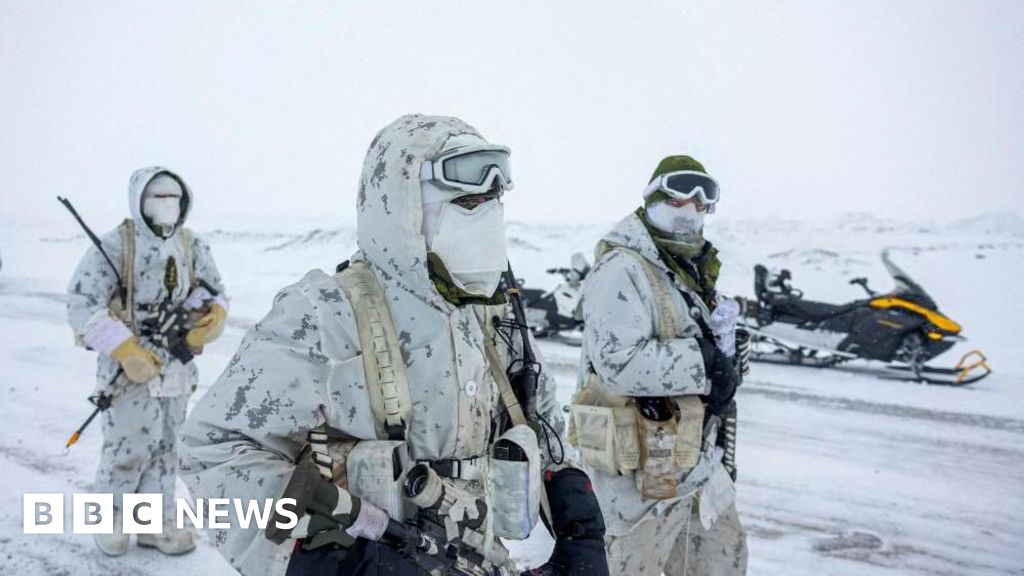
In a remarkable reversal of fortunes, Canada's military, long plagued by underfunding, personnel shortages, and a dwindling international presence, is now witnessing its most significant recruitment boom in three decades. Just two years ago, the Canadian Armed Forces (CAF) faced a dire situation, with a former defense minister warning of a 'death spiral' as recruitment numbers plummeted and readiness suffered. Today, the narrative has shifted dramatically, with a surge of new applicants breathing fresh life into a force that many feared was on the brink of irrelevance.
This unprecedented influx of recruits comes at a pivotal moment, as geopolitical tensions escalate globally and Canada re-evaluates its role on the international stage. The turnaround is not merely a statistical anomaly but a complex interplay of domestic policy changes, a shifting global security environment, and perhaps a renewed sense of national service among young Canadians. Understanding the forces behind this resurgence is crucial for comprehending Canada's evolving defense posture and its implications for both national security and international alliances.
Decades of Decline: The 'Death Spiral' Era
For much of the late 20th and early 21st centuries, Canada was often characterized as a global laggard in defense spending. Successive governments, prioritizing social programs and economic development, consistently allocated a smaller percentage of GDP to its military compared to many of its NATO allies. This chronic underinvestment led to a slow but steady erosion of capabilities, an aging equipment fleet, and, critically, a struggle to attract and retain personnel. The perception of a career in the CAF became less appealing, leading to a vicious cycle of understaffing and overstretch for existing members.
Official reports and internal assessments frequently highlighted the severity of the situation. Recruitment targets were consistently missed, and the attrition rate often outpaced new enlistments. By the early 2020s, the CAF was facing a significant personnel deficit, estimated to be in the thousands. This shortfall impacted everything from operational readiness for domestic emergencies and international deployments to the ability to adequately train new recruits. Experts and former military leaders voiced grave concerns, suggesting that the CAF's ability to fulfill its mandate was severely compromised. The term 'death spiral' was not an exaggeration but a stark descriptor of a system struggling to sustain itself.
The Catalysts for Change: A Confluence of Factors
The dramatic shift from decline to growth is not attributable to a single cause but rather a combination of internal and external pressures and strategic responses. One significant factor has been a renewed focus on military investment by the current government. While long criticized for its defense spending, recent budgets have shown an increased commitment, partly driven by pressure from NATO allies and the evolving global landscape. This has translated into promises of new equipment, improved living conditions, and enhanced support for service members, making a military career potentially more attractive.
Crucially, the changing geopolitical climate has played a profound role. The war in Ukraine, the increasing assertiveness of authoritarian regimes, and the broader instability across various regions have undoubtedly raised awareness among Canadians about the importance of a robust national defense. For many, these events have underscored the reality that peace and security cannot be taken for granted, fostering a sense of duty and a desire to contribute to national and international stability. This external threat perception has likely translated into a greater willingness to consider military service.
Furthermore, targeted recruitment campaigns and a re-evaluation of enlistment processes have also contributed. The CAF has made efforts to modernize its outreach, reaching diverse communities and highlighting the varied career paths available within the military, from combat roles to technical and support functions. Simplification of application procedures and a focus on reducing barriers to entry, while maintaining high standards, have also helped streamline the process for potential recruits.
The Appeal of Service: Beyond Patriotism
While patriotism and a desire to serve one's country remain powerful motivators, the current recruitment boom is also being fueled by more pragmatic considerations. In an uncertain economic climate, the CAF offers stable employment, competitive salaries, comprehensive benefits, including healthcare and dental, and opportunities for education and professional development. For many young Canadians, particularly those facing challenges in the civilian job market, the military presents a clear path to financial security and a structured career trajectory.
Moreover, the CAF emphasizes skill development and leadership training that are highly transferable to civilian life. Recruits are exposed to cutting-edge technology, rigorous physical and mental challenges, and a strong sense of camaraderie and teamwork. These aspects appeal to individuals seeking more than just a job – they are looking for a purpose-driven career that offers personal growth and a chance to make a tangible difference. The promise of adventure, travel, and the opportunity to engage in meaningful work, whether in humanitarian aid, peacekeeping, or defense operations, also holds significant sway.
Challenges and the Path Forward
While the recruitment surge is a welcome development, it also presents its own set of challenges. The sheer volume of new applicants places significant strain on existing training infrastructure, resources, and personnel. The CAF must ensure it has the capacity to effectively process, train, and integrate these new recruits without compromising quality or readiness. This requires substantial investment in training facilities, instructors, and support staff.
Furthermore, while recruitment numbers are up, retention remains a critical concern. It is not enough to attract new members; the CAF must also create an environment where service members feel valued, supported, and motivated to continue their careers. Addressing issues such as housing, family support, mental health services, and career progression pathways will be essential to ensure that the current boom translates into sustained growth and a healthier, more robust military in the long term.
Looking ahead, Canada's military is at a crossroads. The recruitment boom offers a unique opportunity to rebuild capabilities, address long-standing personnel shortages, and enhance its role on the global stage. However, realizing this potential will require sustained political will, continued investment, and a commitment to fostering a modern, inclusive, and effective fighting force. The journey from 'death spiral' to resurgence is far from over, but the current momentum suggests a promising new chapter for the Canadian Armed Forces, allowing Canada to better meet its domestic and international defense responsibilities in an increasingly complex world.
Stay Informed
Get the world's most important stories delivered to your inbox.
No spam, unsubscribe anytime.
Comments
No comments yet. Be the first to share your thoughts!