Children of Conflict: The Unraveling Fabric of Global Accountability for War-Affected Youth
As conflicts proliferate globally, the foundational protections for children in war zones are eroding due to selective enforcement and geopolitical interests. This article delves into how international law, designed to safeguard the most vulnerable, is increasingly disregarded, leading to devastating consequences for millions of young lives. It explores the historical context, current challenges, and the urgent need for renewed global commitment to uphold children's rights amidst escalating crises.
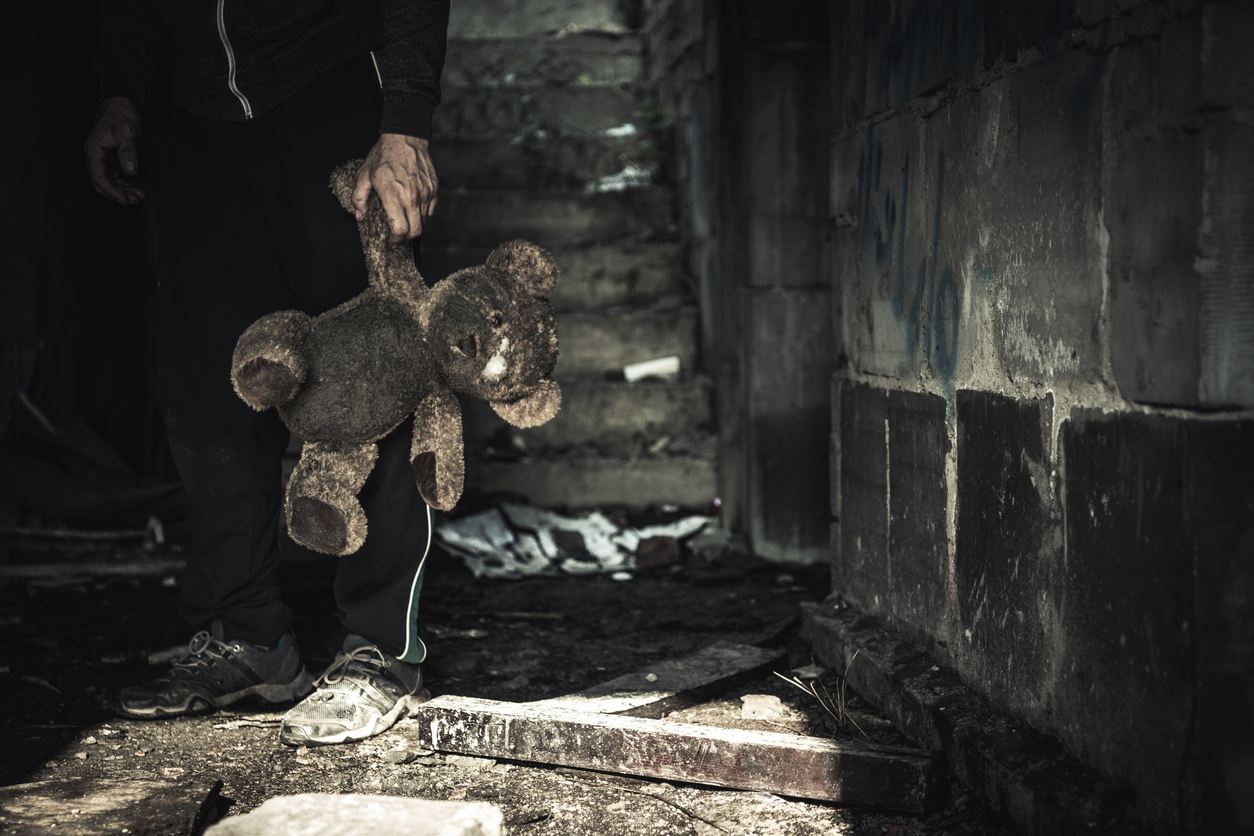
Nelson Mandela's poignant observation, "There can be no keener revelation of a society’s soul than the way in which it treats its children," resonates with chilling clarity in today's world. As conflicts rage across continents, from the Middle East to Africa and Eastern Europe, the very fabric of global accountability for children's rights in war zones is unraveling at an alarming pace. Despite decades of international conventions and humanitarian laws, children are not merely caught in the crossfire; they are increasingly targeted, exploited, and subjected to atrocities that defy human comprehension. The UN Committee on the Rights of the Child's unequivocal declaration that "children must never be treated as collateral damage" stands as a stark indictment of a world that frequently fails to live up to its most fundamental moral obligations.
The Erosion of International Norms: A Historical Perspective
The concept of protecting children in armed conflict is not new. The Geneva Conventions, particularly the Fourth Geneva Convention of 1949, explicitly grant special protection to children as persons taking no direct part in hostilities. This was further strengthened by the UN Convention on the Rights of the Child (CRC) in 1989, the most widely ratified human rights treaty in history, which includes specific provisions for children in armed conflict (Article 38). Additionally, the Optional Protocol to the CRC on the involvement of children in armed conflict (OPAC), adopted in 2000, raised the minimum age for direct participation in hostilities to 18 and prohibited compulsory recruitment below that age. These instruments, alongside the Rome Statute of the International Criminal Court, which criminalizes the recruitment and use of child soldiers, form a robust legal framework intended to shield children from the horrors of war.
However, the gap between law and practice has widened dramatically. Historically, there were periods when international norms, though imperfectly applied, held greater sway. The post-World War II era saw a concerted effort to establish a rules-based international order. Yet, the past few decades have witnessed a troubling trend where state and non-state actors alike increasingly disregard these norms with impunity. The rise of asymmetric warfare, the proliferation of non-state armed groups, and the politicization of humanitarian aid have all contributed to a complex environment where children's protections are systematically undermined. The very notion of "collateral damage" has become a convenient euphemism for the unacceptable loss of innocent young lives.
The Multifaceted Crisis: Beyond 'Collateral Damage'
The impact of conflict on children extends far beyond direct casualties. It encompasses a horrifying spectrum of abuses:
* Recruitment and Use: Children, some as young as eight, are forcibly recruited by armed groups and even state forces, serving as soldiers, spies, porters, or human shields. This robs them of their childhood, exposes them to extreme violence, and often leaves them with profound psychological trauma. * Sexual Violence: Girls and boys are subjected to sexual exploitation and abuse, often used as weapons of war, leading to long-term physical and mental health consequences, social stigmatization, and the destruction of their futures. * Abduction: Children are abducted for ransom, forced marriage, or to serve armed groups, separating them from their families and communities, often with little hope of reunification. * Attacks on Schools and Hospitals: These vital civilian infrastructures, meant to be safe havens, are frequently targeted, denying children access to education and healthcare, and violating international humanitarian law. * Denial of Humanitarian Access: Besieged populations, including millions of children, are deliberately denied access to food, water, medicine, and other essential aid, leading to starvation, disease, and preventable deaths. * Displacement: Millions of children are internally displaced or become refugees, losing their homes, communities, and sense of stability, facing perilous journeys and uncertain futures.
The UN Secretary-General's annual report on children and armed conflict consistently highlights these grave violations, yet the mechanisms for accountability often fall short. The report's listing mechanism, intended to name and shame perpetrators, is frequently subject to political pressure, diluting its impact and allowing powerful actors to evade scrutiny. This selective application of justice sends a dangerous message: that some children's lives are deemed less valuable than others, and some perpetrators are beyond reproach.
Geopolitics, Impunity, and the Blurring Lines of Responsibility
The crisis of accountability is deeply intertwined with global geopolitics. Powerful states, often prioritizing strategic interests over human rights, frequently shield allies from condemnation, even when evidence of grave violations against children is overwhelming. The veto power in the UN Security Council has, on numerous occasions, paralyzed effective action, preventing resolutions that could protect children or hold perpetrators accountable. This political maneuvering undermines the credibility of international institutions and perpetuates a cycle of impunity.
Furthermore, the proliferation of non-state armed groups, often operating in complex, ungoverned spaces, presents unique challenges. While international law applies to all parties to a conflict, holding these groups accountable is significantly more difficult. However, this difficulty does not absolve states of their responsibility to protect children within their borders or to support international efforts to address these violations. The blurring lines between state and non-state actors, and the increasing use of proxy forces, further complicate efforts to assign responsibility and enforce justice.
The long-term implications are catastrophic. A generation of children is growing up scarred by violence, deprived of education, and suffering from profound psychological trauma. This creates fertile ground for future instability, radicalization, and continued cycles of violence. The failure to protect children today is a direct investment in the conflicts of tomorrow.
Reclaiming Accountability: A Path Forward
Addressing this crisis requires a multi-pronged approach and a renewed global commitment to the principles enshrined in international law:
* Strengthening International Legal Mechanisms: There must be consistent and impartial application of international humanitarian law and human rights law. The UN Security Council must overcome political divisions to ensure that all perpetrators of grave violations against children are listed and held accountable, regardless of their geopolitical affiliations. * Investing in Prevention: Addressing the root causes of conflict, promoting peacebuilding, and investing in education and development are crucial to preventing children from being caught in war in the first place. * Enhanced Monitoring and Reporting: Independent monitoring mechanisms must be strengthened, and data collection on violations against children must be robust and transparent, providing an irrefutable basis for advocacy and action. * Support for Child Protection Actors: Humanitarian organizations working on the front lines need greater financial and logistical support to deliver aid, provide psychosocial support, and advocate for children's rights. * Ending Impunity: National and international courts must vigorously pursue justice for crimes against children, ensuring that perpetrators are brought to account. This includes supporting the International Criminal Court and promoting national judicial systems capable of handling such cases. * Prioritizing Children in Peace Processes: Children's unique needs and perspectives must be integrated into peace negotiations and post-conflict reconstruction efforts, ensuring their voices are heard and their futures are secured.
The crisis facing children in armed conflict is a profound moral challenge to humanity. It tests the very essence of our shared values and our commitment to the most vulnerable among us. As Nelson Mandela reminded us, the way we treat our children is a revelation of our society's soul. If we are to preserve any semblance of humanity and build a more peaceful future, the international community must urgently move beyond rhetoric and political expediency to forge a resolute, unwavering commitment to protecting the children of war. Their future, and indeed our own, depends on it.
Stay Informed
Get the world's most important stories delivered to your inbox.
No spam, unsubscribe anytime.
Comments
No comments yet. Be the first to share your thoughts!