Congo River's Plastic Tide: Fishermen Battle Waste, Not Fish, in a Looming Crisis
The mighty Congo River, a lifeline for millions, is increasingly choked by plastic waste, pushing local fishermen into an unprecedented crisis. Near Kinshasa, nets once brimming with fish now yield more plastic debris, forcing some to abandon their traditional livelihood or even 'fish' for plastic. This environmental catastrophe threatens food security, public health, and the cultural heritage of communities reliant on the river, highlighting a critical need for urgent intervention.
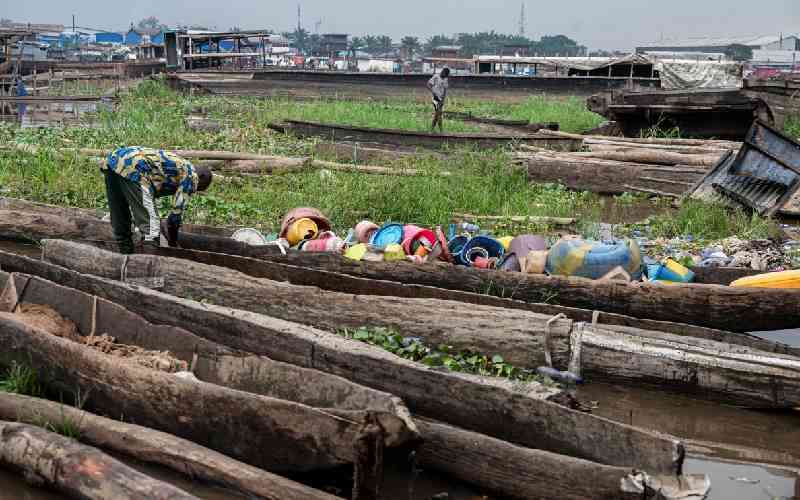
The mighty Congo River, a pulsating artery that snakes through the heart of Africa, has long been the lifeblood for millions, sustaining communities, economies, and ecosystems across the Democratic Republic of Congo. Its vast expanse and rich biodiversity have provided sustenance and livelihood for generations of fishermen. Yet, a silent, insidious crisis is unfolding along its banks, particularly near the bustling capital of Kinshasa: the river is drowning in plastic. Fishermen, whose families have plied these waters for centuries, now find their nets yielding more discarded bottles and bags than fish, a stark and devastating testament to a looming environmental catastrophe.
A River Transformed: From Bounty to Burden
For countless Congolese, the Congo River is more than just a waterway; it is a source of identity, a provider, and a spiritual entity. Its waters have nourished fertile lands, facilitated trade, and offered an abundant harvest of fish, forming the cornerstone of local diets and economies. However, rapid urbanization, coupled with inadequate waste management infrastructure in cities like Kinshasa, has turned this vital resource into a vast, flowing landfill. The sheer volume of plastic waste – bottles, sachets, discarded household items – entering the river daily is overwhelming its natural capacity to cope. This plastic pollution does not merely float by; it sinks, accumulates, and breaks down into microplastics, infiltrating the entire aquatic food chain. The traditional art of fishing, passed down through generations, is becoming an exercise in futility, as the once-plentiful fish populations dwindle, replaced by an endless tide of synthetic debris. Some fishermen, in a desperate bid to survive, have even resorted to 'plastic fishing', collecting the waste for meager resale, a poignant symbol of their lost heritage.
The Human Cost: Livelihoods and Health at Risk
Beyond the immediate environmental degradation, the plastic crisis in the Congo River carries profound human implications. The most direct impact is on the livelihoods of tens of thousands of fishermen and their families. With fish catches plummeting, their primary source of income has evaporated, pushing already vulnerable communities deeper into poverty. Many are forced to abandon their ancestral profession, seeking alternative, often precarious, work in overcrowded urban centers. This displacement not only fragments communities but also erodes invaluable traditional knowledge about the river and its ecosystems.
The health risks associated with plastic pollution are equally alarming. Microplastics, ingested by fish, inevitably make their way up the food chain to humans. While the long-term health effects of microplastic consumption are still being researched, concerns range from digestive issues to the potential leaching of harmful chemicals into the body. Furthermore, stagnant pockets of plastic waste create breeding grounds for disease-carrying mosquitoes, exacerbating public health challenges in areas already struggling with sanitation. The visual blight of plastic-choked riverbanks also detracts from the river's aesthetic and recreational value, impacting local tourism potential and the overall quality of life for residents.
A Global Problem with Local Manifestations
The Congo River's plight is not an isolated incident but a microcosm of a global crisis. Rivers worldwide serve as conduits for plastic waste, ultimately funneling it into oceans. Studies estimate that up to 80% of ocean plastic originates from land-based sources, with a significant portion carried by just a handful of major rivers, including the Congo. The DR Congo, like many developing nations, faces immense challenges in waste management. A lack of formal collection systems, recycling infrastructure, and public awareness campaigns means that much of the plastic consumed ends up in informal dumps or directly in waterways. The country's rapid population growth, particularly in urban areas, further compounds the problem, as consumption patterns outpace the capacity for sustainable waste disposal.
Addressing this issue requires a multi-faceted approach, encompassing both local initiatives and international cooperation. On a local level, this includes investing in robust waste collection and recycling programs, promoting reusable alternatives, and educating communities about the dangers of plastic pollution. Community-led clean-up efforts, while vital, are often overwhelmed by the sheer scale of the problem, underscoring the need for systemic change. Internationally, support for infrastructure development, technology transfer for waste processing, and policy advocacy for sustainable production and consumption are crucial.
Pathways to a Cleaner Future: Innovation and Collaboration
Despite the daunting scale of the problem, there are glimmers of hope and innovative solutions emerging. Local entrepreneurs are exploring ways to convert plastic waste into valuable resources, such as building materials or fuel, creating a nascent circular economy around discarded plastics. Non-governmental organizations (NGOs) are working with local communities to implement pilot recycling projects and raise awareness, empowering residents to become stewards of their environment. Furthermore, the global scientific community is increasingly focusing on developing biodegradable alternatives and advanced recycling technologies that could offer long-term solutions.
However, these efforts require significant investment and political will. The Congolese government, in collaboration with international partners, must prioritize the development of a comprehensive national waste management strategy. This strategy should include: * Investment in modern waste collection and sorting facilities. * Promotion of public-private partnerships to scale up recycling initiatives. * Strict enforcement of anti-littering laws and regulations on plastic production. * Educational campaigns to foster a culture of responsible waste disposal. * Support for research and development of sustainable packaging alternatives.
The future of the Congo River, and the millions who depend on it, hangs in the balance. The transformation from a source of life to a plastic-choked artery is a stark warning of humanity's impact on the natural world. Reversing this trend will not be easy, but it is imperative. By embracing innovation, fostering collaboration, and committing to sustainable practices, it is possible to restore the river's health and ensure its bounty for generations to come. The time for action is now, before the plastic tide becomes an irreversible deluge, permanently altering the heart of Africa.
Stay Informed
Get the world's most important stories delivered to your inbox.
No spam, unsubscribe anytime.
Comments
No comments yet. Be the first to share your thoughts!