Curaçao Parliament Demands Debate Over Dutch Abstention on UN Slavery Resolution
Curaçaoan lawmakers are pushing for a public parliamentary debate after the Kingdom of the Netherlands abstained from a crucial UN vote on the trans-Atlantic slave trade. This decision has ignited controversy, highlighting deep-seated tensions between the constituent countries regarding historical responsibility and international diplomacy.
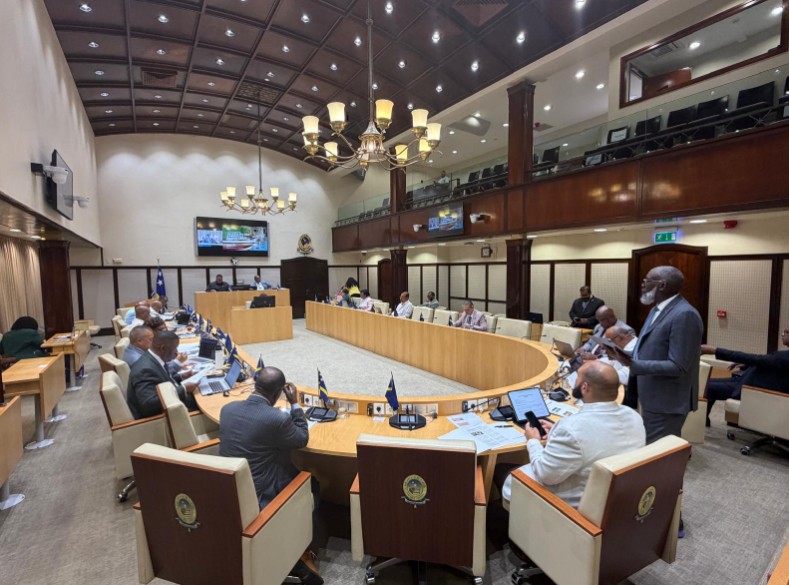
WILLEMSTAD – A significant political stir is brewing in Curaçao as several members of its Parliament are vociferously demanding a public debate following the Kingdom of the Netherlands' controversial abstention from a United Nations vote on a resolution addressing the trans-Atlantic slave trade. The decision, made on the international stage, has resonated deeply within the autonomous Caribbean nation, reigniting discussions about historical accountability, self-determination, and the nuanced relationship between Curaçao and its former colonial power.
The UN resolution, presented by the Group of African States, aimed to establish a permanent forum for people of African descent, recognize the historical injustice of slavery, and promote restorative justice. For many in Curaçao, a society profoundly shaped by the legacy of slavery, the Kingdom's abstention was perceived as a missed opportunity, if not an outright betrayal, of shared historical memory and ongoing efforts towards reconciliation and reparations.
Parliamentarians, including prominent figures from various political factions, have expressed their dismay and called for immediate clarification. They argue that such a pivotal decision, impacting a matter of immense historical and cultural significance to Curaçao, should not have been made without explicit consultation and consensus from all constituent countries of the Kingdom – the Netherlands, Aruba, Curaçao, and Sint Maarten. The Kingdom of the Netherlands operates as a unitary state in foreign policy, meaning decisions made by The Hague often apply to all its constituent countries, a structure that frequently sparks debate over autonomy and representation.
Critics within Curaçao's political landscape highlight that the abstention undermines the Kingdom's stated commitments to addressing its colonial past and the enduring impacts of slavery. They point to recent apologies and initiatives from the Dutch government regarding its role in the slave trade as inconsistent with the UN vote. The perceived disconnect between domestic rhetoric and international action has fueled accusations of hypocrisy and a lack of genuine commitment to decolonization and reparative justice.
This incident is not isolated; it reflects a broader, ongoing tension within the Kingdom regarding the interpretation and handling of colonial history. For years, activists and politicians in the Caribbean constituent countries have advocated for stronger recognition of historical injustices and more concrete steps towards reparations, both symbolic and material. The UN vote provided a litmus test for the Netherlands' sincerity on these issues, and from Curaçao's perspective, it appears to have fallen short.
The proposed parliamentary debate is expected to delve into the specifics of the Kingdom's foreign policy decision-making process, particularly concerning issues with direct historical and cultural relevance to the Caribbean islands. Lawmakers will likely seek answers on why a 'no' vote or an affirmative 'yes' was not considered, and what diplomatic considerations led to the abstention. More importantly, it will serve as a platform for Curaçao to assert its voice on matters of international justice and historical redress, pushing for greater agency within the Kingdom structure.
The outcome of this debate could have significant implications, not only for the relationship between Curaçao and the Netherlands but also for the broader conversation surrounding colonial legacies in the 21st century. It underscores the complex challenges faced by former colonial powers in reconciling their past with their present international obligations and the persistent demands for justice from communities still living with the echoes of history.