Deadly Interdictions: The Escalating Toll of US Military Strikes on Pacific Drug Vessels
A recent US military strike in the eastern Pacific, resulting in two deaths, highlights the escalating and often lethal tactics employed against suspected drug trafficking vessels. With over 190 fatalities from such operations in the Caribbean and Pacific, questions arise about the efficacy and ethics of these interdictions. This article delves into the complex geopolitical landscape, the human cost, and the broader implications of the war on drugs at sea, examining the strategies, challenges, and international responses to this persistent conflict.
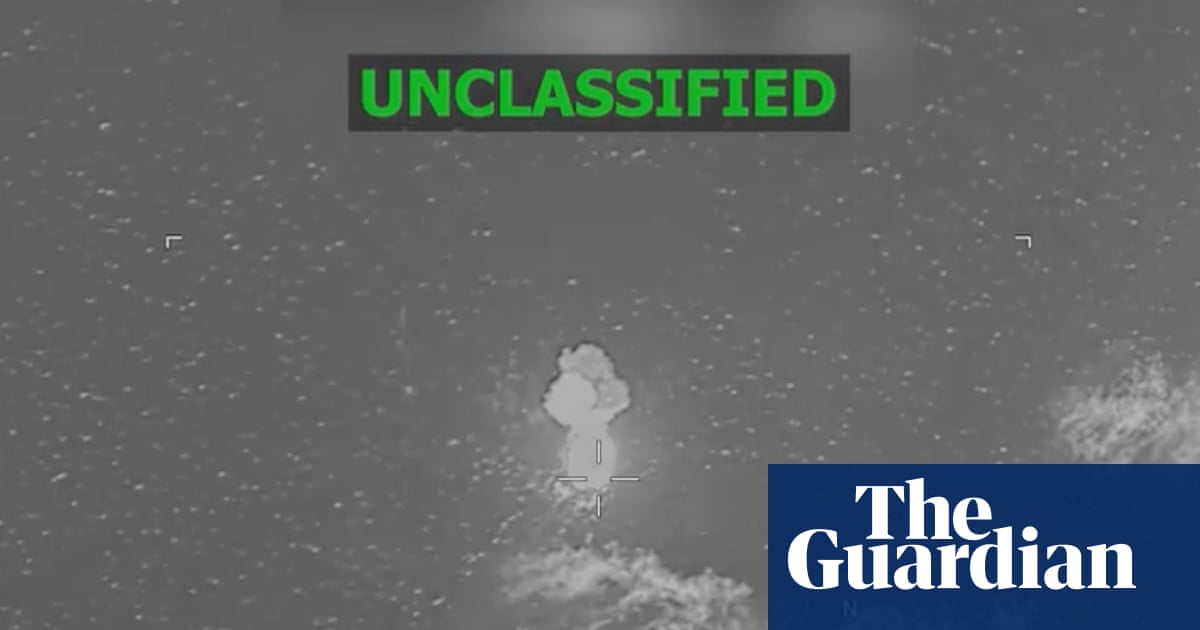
The vast, unforgiving expanse of the eastern Pacific Ocean, a critical corridor for global trade and illicit flows, recently bore witness to another deadly chapter in the relentless war on drugs. A US military operation, confirmed on a recent Friday, resulted in a strike on a vessel suspected of narcotics trafficking, leaving two individuals dead and only one survivor. This incident is not an isolated event but rather a grim punctuation mark in a long and increasingly lethal campaign, pushing the death toll from similar interdictions in the Caribbean and Pacific to over 190. The stark reality of these figures compels us to look beyond the headlines and examine the complex tapestry of policy, human cost, and geopolitical strategy that defines this maritime conflict.
The Unseen Battlefield: Maritime Drug Interdiction
The battle against drug trafficking at sea is a shadowy, high-stakes endeavor, often unfolding far from public scrutiny. For decades, the US and its international partners have deployed significant naval and air assets to disrupt the flow of cocaine, heroin, and other illicit substances from South America to North American and European markets. These operations are typically conducted under multinational frameworks, such as Joint Interagency Task Force South (JIATF South), which coordinates efforts from various US agencies and allied nations. The vessels targeted range from sophisticated semi-submersibles (narco-subs) to speedboats and fishing trawlers, all adapted for clandestine transport.
The rationale behind these interdictions is clear: choke off the supply routes, disrupt cartel operations, and reduce the availability of drugs on the streets. However, the methods employed, particularly those involving direct force, raise profound ethical and legal questions. When a vessel is deemed non-compliant or poses a threat, military rules of engagement can permit the use of disabling fire, which, as the recent incident painfully illustrates, often leads to loss of life. The challenge lies in distinguishing between legitimate threats and desperate attempts to evade capture, often by individuals coerced or exploited by powerful criminal organizations.
A Rising Death Toll: Efficacy vs. Ethics
The statistic of over 190 deaths from such strikes since the source's implied timeframe is alarming. It signals a significant escalation in the lethality of these operations. While proponents argue that aggressive tactics are necessary to deter well-armed and ruthless traffickers, critics contend that these actions may disproportionately affect low-level couriers, often operating under duress, rather than the kingpins who orchestrate the trade. The focus on interdiction at sea, while disrupting some shipments, does not address the fundamental drivers of drug production and demand, nor does it dismantle the underlying criminal networks.
Furthermore, the legal framework governing these strikes is often complex and subject to international scrutiny. Operations in international waters require careful adherence to the Law of the Sea and bilateral agreements with flag states. Questions about due process, the treatment of survivors, and the investigation of fatalities are paramount. Transparency and accountability are critical, yet often difficult to achieve in the fog of war at sea. The lack of independent oversight in some instances further complicates the assessment of these operations' human rights implications.
The Geopolitical Chessboard: Regional Implications
The eastern Pacific and Caribbean are not merely transit zones; they are regions with their own complex geopolitical dynamics. Countries like Colombia, Ecuador, and Central American nations bear the brunt of drug production and transit, grappling with endemic corruption, violence, and instability exacerbated by the drug trade. US military involvement, while aimed at combating a shared threat, can also be viewed through the lens of national sovereignty and regional power dynamics. The balance between cooperation and intervention is delicate.
For instance, the increased pressure on maritime routes has led to a balloon effect, where traffickers adapt by shifting routes, using new technologies, or diversifying their methods, such as increasing air shipments or utilizing land routes through Central America. This constant adaptation means that merely disrupting one vector of trafficking often leads to the emergence of another, perpetuating a cycle of violence and resource allocation that seems to have no end. The long-term effectiveness of these costly interdiction efforts remains a subject of intense debate among policy experts and security analysts.
Beyond Interdiction: A Holistic Approach?
Many experts argue that a purely kinetic approach to the war on drugs is unsustainable and ultimately ineffective. While interdiction plays a role in disrupting supply, it must be part of a broader, more holistic strategy that includes:
* Demand Reduction: Robust public health campaigns and treatment programs in consumer nations. * Alternative Livelihoods: Supporting economic development and crop substitution programs in producer countries to offer farmers viable alternatives to coca cultivation. * Law Enforcement Capacity Building: Strengthening judicial systems and police forces in transit countries to combat corruption and dismantle criminal organizations from within. * Intelligence Sharing: Enhancing international cooperation and intelligence gathering to target high-level cartel leaders and financial networks rather than just their couriers. * Harm Reduction: Implementing policies that prioritize public health and safety over punitive measures for drug users.
The current strategy, heavily reliant on military force, often overlooks the socio-economic factors that drive individuals into the drug trade. The lone survivor of the recent strike, like many others, may be a victim of circumstance, caught between the brutal demands of cartels and the formidable might of international law enforcement. Their story, and the stories of those who perished, underscore the human tragedy at the heart of this global conflict.
The Path Forward: Re-evaluating the War at Sea
The rising death toll in the eastern Pacific and Caribbean demands a critical re-evaluation of current strategies. While the immediate objective of disrupting drug flows is clear, the long-term consequences of lethal force must be weighed against its effectiveness and ethical implications. Is the current approach truly winning the war on drugs, or is it merely shifting the battleground and escalating the human cost?
Moving forward, a more nuanced approach is required – one that balances robust enforcement with humanitarian concerns and addresses the root causes of drug trafficking. This means investing more in intelligence-led operations that target cartel leadership and financial networks, rather than solely focusing on maritime seizures. It also necessitates a renewed commitment to international cooperation, not just in enforcement, but in shared responsibility for demand reduction and alternative development. The oceans, while vast, are not limitless, and the human lives lost upon them are a stark reminder that the war on drugs is far from a simple equation of good versus evil; it is a complex, multifaceted challenge requiring innovative, compassionate, and effective solutions.
Stay Informed
Get the world's most important stories delivered to your inbox.
No spam, unsubscribe anytime.
Comments
No comments yet. Be the first to share your thoughts!