Delta's Sustainable Skies: Pioneering Eco-Innovation Beyond Earth Month
Delta Air Lines is accelerating its commitment to a sustainable future, transforming the travel experience through groundbreaking eco-innovations. While Earth Month highlights environmental progress, Delta's dedication to reducing its carbon footprint is a year-round endeavor, integrating advanced technologies and strategic partnerships. This article explores how the airline is actively developing and implementing solutions to achieve net-zero emissions, setting a new standard for the aviation industry.
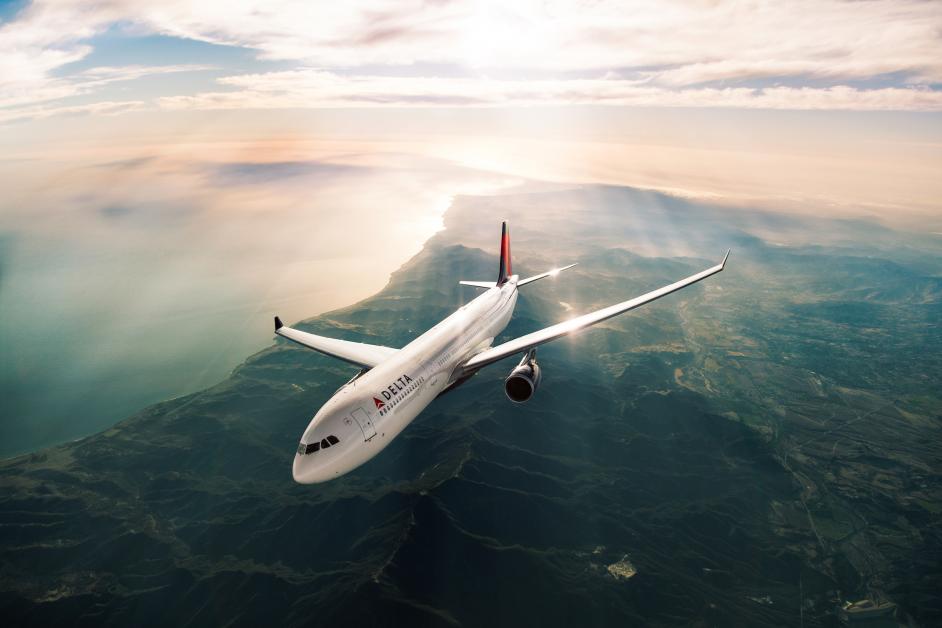
In an era defined by urgent climate action, the aviation industry, often viewed as a significant contributor to global emissions, faces immense pressure to decarbonize. Yet, amidst this challenge, a leading carrier is not merely responding but actively pioneering a new paradigm for sustainable travel. While Earth Month serves as an annual reminder to spotlight environmental progress, for Delta Air Lines, the commitment to building a more sustainable future for travel is a constant, year-round endeavor, deeply embedded in its operational DNA. This isn't just about PR; it's about a fundamental shift in how one of the world's largest airlines envisions and executes its mission.
Delta's journey towards sustainability is characterized by relentless innovation and strategic foresight, moving beyond incremental changes to embrace transformative solutions. The airline understands that achieving net-zero emissions requires a multi-faceted approach, encompassing everything from advanced propulsion systems and sustainable aviation fuels (SAF) to operational efficiencies and customer engagement. This comprehensive strategy positions Delta not just as an airline, but as a leader in eco-innovation, actively shaping the future of air travel.
The Urgency of Aviation Decarbonization
The aviation sector accounts for approximately 2.5% of global CO2 emissions, a figure projected to rise with increasing air travel demand. This reality places a significant burden on airlines to find viable, scalable solutions. For decades, the industry's growth was largely uncoupled from environmental considerations. However, public pressure, regulatory mandates, and a growing corporate responsibility ethos have forced a reckoning. Delta's response is a testament to a proactive stance, recognizing that sustainability is not just an ethical imperative but a business necessity. The airline has set an ambitious goal of achieving net-zero emissions by 2050, a target that necessitates radical shifts in technology and infrastructure.
Historically, aviation's reliance on fossil fuels has been its Achilles' heel. The sheer energy density required for flight has made alternatives challenging to develop and implement. However, recent breakthroughs in SAF production, electric propulsion concepts, and hydrogen fuel cell technology are beginning to offer a glimmer of hope. Delta is actively investing in and partnering with companies at the forefront of these innovations, understanding that collective effort is paramount. This strategic approach highlights a transition from viewing sustainability as a cost center to recognizing it as a driver of future competitiveness and resilience.
Pillars of Delta's Green Transformation
Delta's sustainability strategy is built upon several interconnected pillars, each addressing a critical aspect of its environmental footprint:
* Sustainable Aviation Fuels (SAF): Widely regarded as the most immediate and impactful lever for decarbonization, SAF can reduce lifecycle greenhouse gas emissions by up to 80% compared to conventional jet fuel. Delta is a leading advocate and investor in SAF, committing to replacing 10% of its jet fuel with SAF by the end of 2030. This involves significant partnerships with producers and active participation in developing robust supply chains. The challenge lies in scaling production and reducing costs, areas where Delta's advocacy plays a crucial role. * Fleet Modernization: Operating a younger, more fuel-efficient fleet is fundamental to reducing emissions. Delta continuously invests in new-generation aircraft that consume less fuel and produce fewer emissions. For instance, replacing older models with aircraft like the Airbus A321neo or the Boeing 737 MAX can yield double-digit percentage improvements in fuel efficiency. This ongoing capital expenditure is a direct investment in a greener future. * Operational Efficiencies: Beyond fuel, Delta is optimizing every aspect of its operations. This includes: * Flight Path Optimization: Utilizing advanced weather data and air traffic control technologies to fly more direct routes, reducing fuel burn. * Weight Reduction: Implementing lighter materials in aircraft interiors and optimizing cargo loading. * Ground Operations: Electrifying ground support equipment and streamlining taxiing procedures to minimize engine idle time. * Innovative Technologies & Partnerships: Delta is exploring and investing in next-generation propulsion technologies, including electric and hydrogen-powered aircraft concepts. While these are further out on the horizon for commercial long-haul flights, Delta's engagement ensures it remains at the cutting edge of aviation's future. Its partnerships extend to research institutions and startups, fostering an ecosystem of innovation. * Carbon Removal and Offsetting: While the primary focus remains on direct emissions reduction, Delta also invests in high-quality carbon removal projects and offsets for residual emissions. This includes nature-based solutions and direct air capture technologies, providing a comprehensive approach to its net-zero goal.
The Role of Innovation in Action
Delta's commitment isn't confined to boardroom discussions; it's evident in tangible projects and initiatives. For example, the airline has been actively involved in pilot programs for SAF production, exploring diverse feedstocks and conversion technologies. Its investments in companies like DG Fuels underscore a proactive stance in securing future SAF supply. Furthermore, Delta's collaboration with NASA on sustainable flight technologies, including advanced aerodynamics and noise reduction, demonstrates a long-term vision for transforming the entire flight experience.
The airline's focus on customer engagement is also critical. By offering customers opportunities to offset their travel emissions or contribute to SAF initiatives, Delta is fostering a shared responsibility for environmental stewardship. This transparency and empowerment are vital in building trust and driving collective action towards more sustainable travel choices. The integration of sustainability metrics into corporate reporting and executive compensation further solidifies this commitment, ensuring accountability at all levels.
Challenges and the Road Ahead
Despite significant progress, the path to net-zero aviation is fraught with challenges. The scalability of SAF production, the cost premium associated with green technologies, and the need for global regulatory alignment are formidable hurdles. Delta, however, views these not as insurmountable obstacles but as opportunities for leadership and collaboration. The airline's advocacy for supportive government policies and its participation in industry consortia are crucial for accelerating the transition.
The future of sustainable air travel will likely involve a mosaic of solutions: continued advancements in SAF, the eventual introduction of hybrid-electric and hydrogen aircraft for shorter routes, and radical improvements in air traffic management. Delta's strategy is designed to adapt to this evolving landscape, maintaining flexibility while driving aggressive decarbonization efforts. The ambition is clear: to not just fly passengers from point A to point B, but to do so in a way that preserves the planet for future generations, making sustainable travel the norm, not the exception.
In conclusion, Delta Air Lines is demonstrating that environmental responsibility and commercial success are not mutually exclusive. By embedding sustainability into its core operations and fostering a culture of innovation, the airline is leading the charge in transforming the future of air travel. Its year-round commitment, extending far beyond the symbolic observance of Earth Month, is a powerful testament to what can be achieved when ambition meets action, setting a compelling precedent for the entire industry.
Stay Informed
Get the world's most important stories delivered to your inbox.
No spam, unsubscribe anytime.
Comments
No comments yet. Be the first to share your thoughts!