Ebola's Shadow: How DRC and Uganda Battle a Persistent Threat Amidst Conflict and Crisis
As the Ebola virus continues its relentless spread across eastern Democratic Republic of Congo and into neighboring Uganda, humanitarian organizations like the International Rescue Committee (IRC) are intensifying their efforts. This article delves into the complex challenges faced by health systems and vulnerable communities, exploring the historical context of Ebola and the innovative strategies deployed to contain this deadly disease. We examine the interplay of conflict, public trust, and global health initiatives in a region perpetually on the brink.
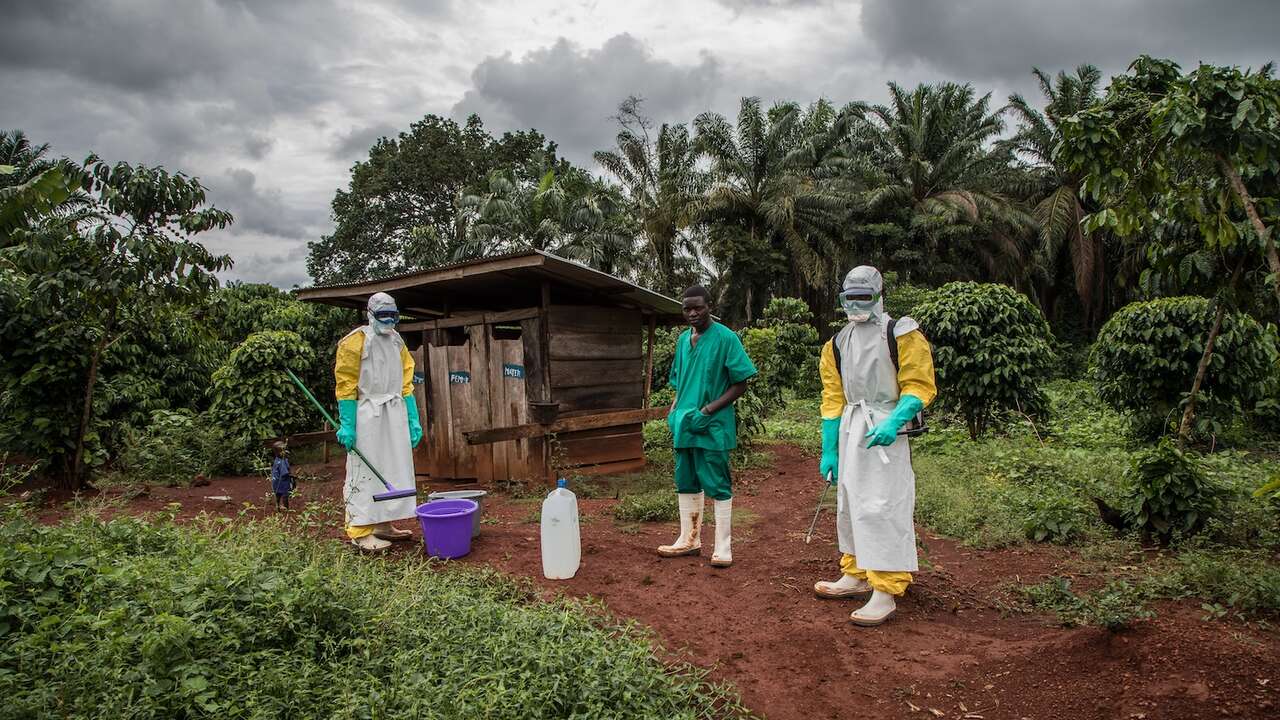
A Silent Scourge Returns: Ebola's Resurgence in Central Africa
The specter of Ebola, a disease synonymous with fear and devastation, has once again cast a long shadow over Central Africa. The eastern Democratic Republic of Congo (DRC), a region already grappling with decades of armed conflict, displacement, and profound humanitarian crises, finds itself at the epicenter of a renewed outbreak that has tragically spilled over into neighboring Uganda. This latest resurgence is not merely a health crisis; it is a complex tapestry woven with threads of political instability, deep-seated community mistrust, and the immense pressure on an already overstretched health infrastructure. Organizations like the International Rescue Committee (IRC) are on the front lines, battling not only the virus itself but also the myriad social and logistical hurdles that impede an effective response. Understanding this ongoing struggle requires a deep dive into the history of the disease, the unique challenges of the region, and the innovative, often heroic, efforts to contain its deadly spread.
The DRC's Enduring Battle: A History of Outbreaks and Resilience
The Democratic Republic of Congo holds a tragic distinction as the country where Ebola was first identified in 1976, near the Ebola River, from which the virus derives its name. Since then, the nation has endured numerous outbreaks, each presenting its own set of challenges. The current situation in eastern DRC, particularly in provinces like North Kivu and Ituri, is exacerbated by persistent armed conflict involving over 120 different groups. This instability creates a volatile environment where: * Access is severely limited: Health workers struggle to reach affected communities due to insecurity, road blockages, and the risk of violence. * Population displacement is rampant: Millions have been forced from their homes, leading to overcrowded camps where disease can spread rapidly and tracking contacts becomes nearly impossible. * Community trust is eroded: Decades of conflict and perceived governmental neglect have fostered deep suspicion towards authorities and external aid organizations, often leading to resistance against health interventions, including vaccination and safe burial practices.
The 2018-2020 Ebola outbreak in eastern DRC, which claimed over 2,200 lives, was particularly challenging, becoming the second-largest Ebola epidemic in history. Lessons learned from that crisis, including the deployment of new vaccines and experimental treatments, are now being applied, but the underlying socio-political landscape remains a formidable obstacle. The sheer scale of the humanitarian needs in the DRC, where over 26 million people face acute food insecurity, means that Ebola response efforts must compete for resources and attention against a backdrop of widespread suffering.
Uganda's Proactive Stance: Containing the Spillover
Uganda, sharing a porous border with the DRC, has long been on high alert for Ebola. Its experience with previous outbreaks and its robust public health surveillance system have allowed it to respond more effectively to cross-border transmissions. When cases were confirmed in Uganda, particularly in areas like Kasese district, the response was swift and decisive. This included: * Enhanced border screening: Health checks at official and unofficial border crossings to identify potential cases. * Rapid contact tracing: Identifying and monitoring individuals who may have come into contact with infected persons. * Community engagement: Working with local leaders and community health workers to raise awareness and encourage adherence to public health measures. * Vaccination campaigns: Targeted vaccination of frontline health workers and contacts of confirmed cases.
Uganda's relative stability, compared to eastern DRC, allows for a more organized and less interrupted public health response. However, the influx of refugees from the DRC, estimated at over 1.5 million, presents a constant challenge, straining resources and increasing the risk of disease transmission across borders. The Ugandan government, supported by international partners, understands that containing Ebola within its borders is intrinsically linked to the success of the response in the DRC.
The Role of International Aid: IRC's Multifaceted Approach
Organizations like the IRC are crucial in bridging the gaps left by overstretched national health systems and the complexities of conflict zones. Their strategy is multifaceted, addressing both the immediate health crisis and the underlying vulnerabilities that facilitate Ebola's spread. Key components of their response include: * Direct healthcare provision: Establishing isolation units, providing medical supplies, and training local health workers in infection prevention and control. * Community engagement and education: Countering misinformation and building trust through culturally sensitive outreach programs, emphasizing safe hygiene practices and the importance of early reporting. * Water, Sanitation, and Hygiene (WASH): Implementing WASH programs in communities and health facilities to prevent transmission, as Ebola can spread through contaminated surfaces and bodily fluids. * Psychosocial support: Offering counseling and support to survivors and affected families, addressing the stigma associated with the disease. * Support for health systems: Strengthening local health infrastructure, providing essential equipment, and training personnel to ensure long-term resilience.
The IRC's work often involves navigating dangerous territories, negotiating access with armed groups, and adapting strategies to highly localized contexts. Their focus extends beyond immediate medical care to address the holistic needs of communities, recognizing that health cannot be separated from safety, dignity, and access to basic services.
Looking Ahead: A Path Towards Eradication and Resilience
The fight against Ebola in DRC and Uganda is far from over, but significant strides have been made. The development and deployment of effective vaccines, such as rVSV-ZEBOV, have been game-changers, offering a critical tool for outbreak containment. However, vaccination alone is not a panacea. The long-term solution requires a concerted effort on several fronts: * Sustainable peace and security: Addressing the root causes of conflict in eastern DRC is paramount to creating an environment where health interventions can be consistently and safely implemented. * Strengthening local health systems: Investing in robust primary healthcare, surveillance, and emergency preparedness in vulnerable regions. * Building community trust: Engaging communities as partners in the response, respecting local customs, and ensuring transparency in all interventions. * Global solidarity and funding: Continued international support is vital to sustain response efforts, research, and long-term development initiatives.
The current Ebola outbreak serves as a stark reminder of our interconnected world and the constant threat of emerging infectious diseases. While the immediate focus remains on containment and treatment, the broader lesson is the undeniable link between health security, political stability, and humanitarian action. Only through a comprehensive, collaborative, and sustained approach can we hope to mitigate the devastating impact of Ebola and build more resilient communities in Central Africa and beyond. The courage of health workers, the resilience of affected communities, and the commitment of international partners offer a beacon of hope in this ongoing struggle against a formidable foe.
Stay Informed
Get the world's most important stories delivered to your inbox.
No spam, unsubscribe anytime.
Comments
No comments yet. Be the first to share your thoughts!