Elon Musk's Iron Grip: SpaceX Compensation Deal Aims for Unremovable Leadership
SpaceX is reportedly crafting a unique compensation package for its CEO, Elon Musk, designed to solidify his leadership and make him virtually unremovable. This audacious deal, potentially linking his pay to the ambitious goal of Mars colonization, raises significant questions about corporate governance, founder control, and the future of space exploration. Critics and proponents alike are weighing in on the implications for both SpaceX's trajectory and the broader tech industry's approach to visionary leaders.
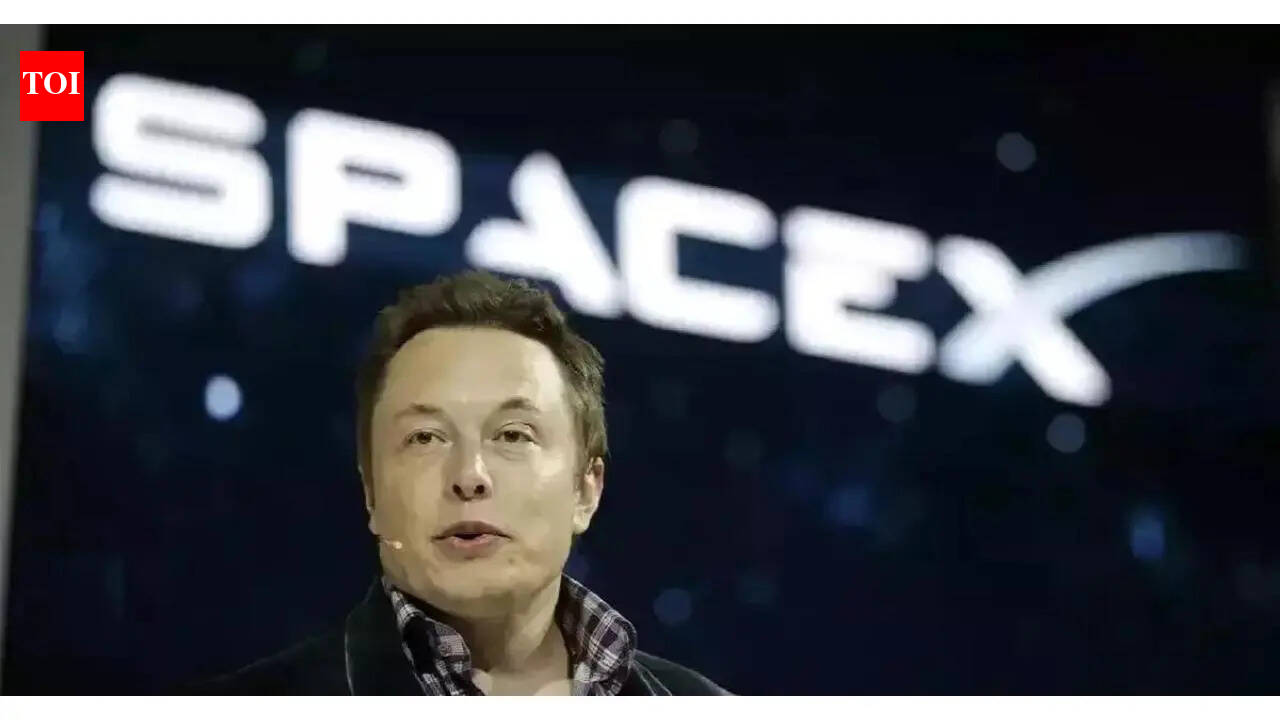
In the annals of corporate governance, few narratives are as captivating or controversial as that of a founder's unyielding control over their creation. Elon Musk, the visionary and often polarizing figure behind SpaceX, is once again at the center of such a story. Recent reports indicate that SpaceX is actively developing a compensation deal for Musk so robust and intricately tied to the company's long-term ambitions that it would render him virtually impossible to remove from his leadership position. This audacious strategy, first brought to light by the Financial Times, suggests a future where Musk’s financial incentives are inextricably linked to humanity’s most ambitious endeavor: the colonization of Mars.
The Unprecedented Compensation Structure
The proposed compensation package for Musk at SpaceX is far from conventional. Unlike typical executive remuneration, which often includes base salaries, stock options, and performance bonuses tied to quarterly or annual financial metrics, this new deal appears to be a bespoke creation designed to align Musk's personal wealth directly with the company's most audacious, generational goals. The Financial Times report specifically highlighted the potential for Musk's pay to be contingent upon the successful colonization of Mars. This isn't merely about achieving a successful landing or even establishing a temporary outpost; it implies a sustained, self-sufficient human presence on the Red Planet.
Such a structure is unprecedented in its scope and long-term vision. It effectively transforms Musk from a CEO into a long-term architect whose personal financial destiny is interwoven with the very fabric of SpaceX’s ultimate mission. The underlying philosophy seems to be that if Musk is to be the driving force behind such monumental undertakings, his compensation must reflect the extraordinary nature of these challenges and insulate him from short-term pressures or dissenting board members.
Historical Precedent and Founder Control
Elon Musk's desire for unshakeable control is not new. His history with Tesla, where he secured a massive, performance-based stock option package worth tens of billions, demonstrated his preference for compensation tied to monumental achievements rather than incremental gains. This approach at Tesla, which saw his pay tied to market capitalization milestones and operational targets, effectively incentivized him to push the company to unprecedented heights. The success of that model, despite its critics, has likely emboldened a similar strategy at SpaceX.
Historically, founders often retain significant control through dual-class share structures or by holding a majority of voting rights. However, as companies mature and attract external investment, this control can dilute. What SpaceX is reportedly pursuing is a different kind of lock-in – one that uses financial incentives as a golden handcuff, not just for the executive, but also for the board and shareholders who would find it financially imprudent to remove a leader whose compensation is so deeply embedded in the company's core, long-term value creation. This move could be seen as a pre-emptive strike against potential future challenges to his leadership, especially as SpaceX continues to grow and attract more diverse investors.
Implications for Corporate Governance and Investor Relations
This proposed compensation deal raises profound questions about corporate governance. In traditional corporate structures, boards of directors are tasked with oversight, including the ability to hire and fire the CEO. A deal that effectively makes a CEO 'unremovable' challenges this fundamental principle. While Musk's vision and drive are undeniable assets to SpaceX, the idea of a CEO operating without the ultimate check and balance of board accountability could be concerning for some investors and governance experts.
* Accountability: How would a board hold Musk accountable if his removal is financially prohibitive or contractually impossible? This could create a power imbalance heavily skewed towards the CEO. * Succession Planning: An 'unremovable' CEO complicates succession planning, potentially leaving the company vulnerable should the leader become incapacitated or lose effectiveness. * Shareholder Rights: Minority shareholders might feel disenfranchised if their ability to influence leadership decisions is curtailed by such a compensation agreement.
On the other hand, proponents might argue that for a company like SpaceX, which operates on decades-long timelines and aims for goals that transcend conventional business metrics, a stable, long-term vision from its founder is paramount. Disrupting that vision through leadership changes could be more detrimental than the risks associated with entrenched control. Investors who believe in Musk's vision for Mars colonization might see this as a necessary evil to ensure the mission's continuity.
The Mars Colonization Bet: A High-Stakes Gamble
The most striking aspect of this reported deal is its direct link to Mars colonization. This is not a quarterly earnings target or a new product launch; it is an epoch-defining endeavor that will require unprecedented technological innovation, financial investment, and sustained effort over many decades. Tying a CEO's compensation to such a distant and complex goal is a monumental gamble.
* Technological Hurdles: The challenges of Mars colonization are immense, from developing fully reusable Starship rockets capable of sustained interplanetary travel to creating self-sufficient habitats, life support systems, and resource utilization infrastructure on another planet. * Financial Investment: The cost will be astronomical, likely requiring continuous capital infusion and potentially government partnerships on an unprecedented scale. * Timeline Uncertainty: Predicting the exact timeline for Mars colonization is speculative, making a compensation package tied to it inherently uncertain and long-term.
This bet underscores Musk's unwavering commitment to his ultimate vision. For him, SpaceX is not just a rocket company; it is a vehicle for making humanity a multi-planetary species. By linking his personal fortune to this objective, he is signaling an all-in commitment that few corporate leaders would dare to emulate. It transforms his role from merely managing a company to leading a civilizational project.
Conclusion: A New Paradigm for Visionary Leadership?
The reported compensation deal for Elon Musk at SpaceX represents a fascinating and potentially transformative moment in the intersection of corporate governance, visionary leadership, and audacious technological ambition. It challenges traditional notions of accountability and shareholder oversight, proposing instead a model where a founder's long-term commitment to an extraordinary mission is secured through an equally extraordinary financial arrangement. While the specifics of the deal are yet to be fully disclosed, its very premise sparks debate about whether such an arrangement is a necessary evil for achieving humanity's grandest aspirations or a dangerous precedent for unchecked power.
As SpaceX continues its relentless pursuit of making humanity multi-planetary, the world will be watching not only its rockets and missions but also the unique governance model that underpins its most influential figure. This deal, if finalized, could indeed make Elon Musk 'unremovable' in a way few leaders have ever experienced, cementing his legacy not just as an innovator, but as the indispensable architect of humanity's future among the stars. It's a bold move, fitting for a man who consistently aims for the impossible, and it sets a new benchmark for how visionary leaders might choose to secure their long-term influence over their creations.
Stay Informed
Get the world's most important stories delivered to your inbox.
No spam, unsubscribe anytime.
Comments
No comments yet. Be the first to share your thoughts!