Escalating Tensions: The Perilous Path of US-Iran Confrontation in the Middle East
The Middle East teeters on the brink as a British military report confirms a ship fire off Qatar, amidst heightened US-Iran hostilities. With an Indian sailor's death near the Strait of Hormuz and new US sanctions, the region faces a complex web of military threats and diplomatic stalemates. Iran's stern warnings of retaliation against any attack underscore the urgent need for de-escalation to avert a wider conflict.
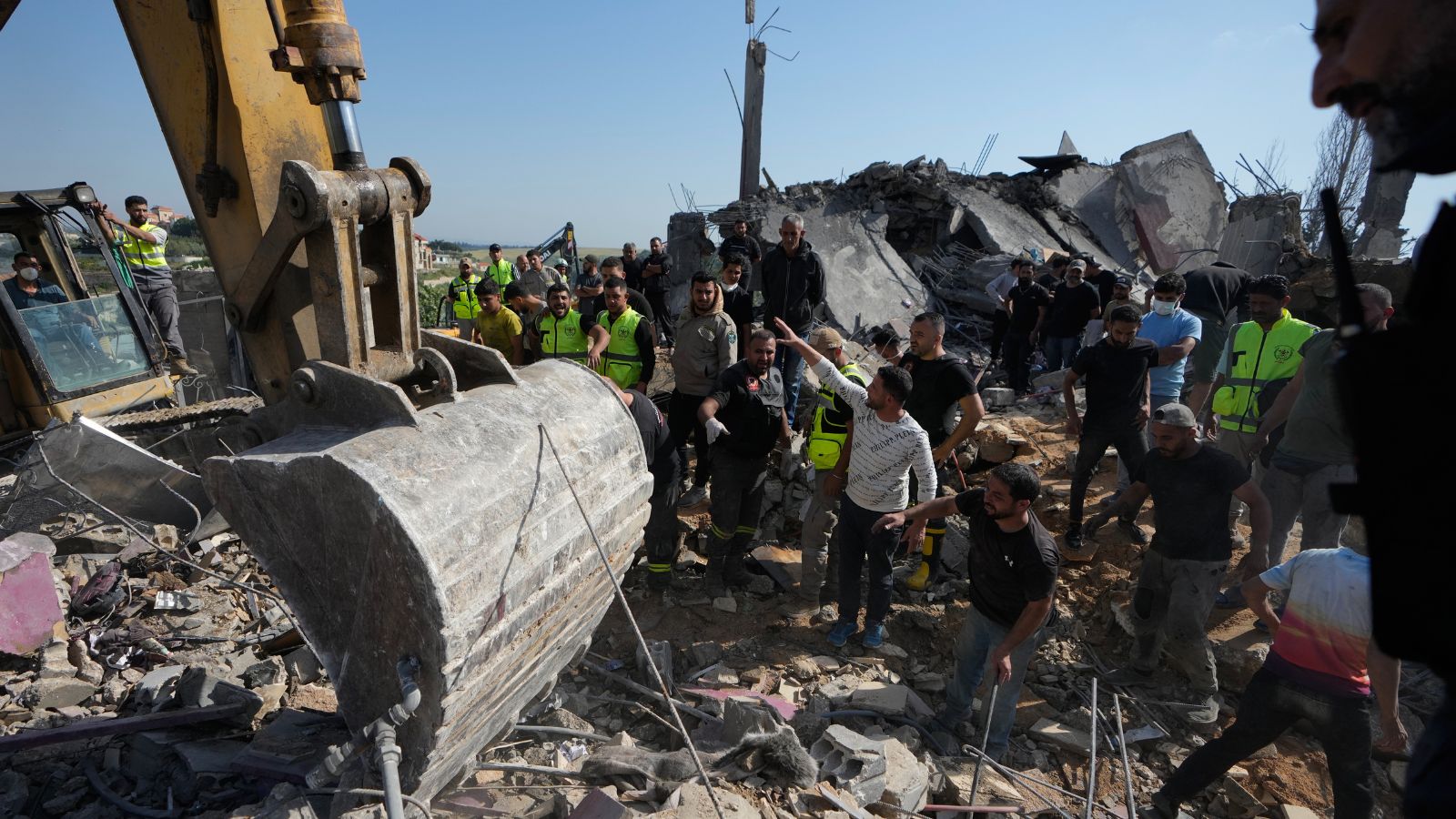
The Middle East, a region perpetually on edge, has once again become the focal point of global anxiety following a British military report confirming a vessel caught fire off the coast of Qatar. This incident, occurring amidst a backdrop of escalating US-Iran hostilities, adds another layer of complexity to an already volatile geopolitical landscape. The tragic death of an Indian sailor near the strategically vital Strait of Hormuz further underscores the human cost of these rising tensions, painting a grim picture of a region grappling with the specter of a wider, more devastating conflict.
For weeks, the rhetoric between Washington and Tehran has grown increasingly bellicose. The United States has recently imposed a fresh round of sanctions on Iran, a move that Tehran views as an act of economic warfare and a direct affront to its sovereignty. These sanctions, coupled with ongoing military posturing by both sides, have pushed the two nations closer to a direct confrontation than perhaps at any point in recent history. The international community watches with bated breath, fully aware that any misstep could ignite a conflagration with far-reaching global consequences.
The Strait of Hormuz: A Global Chokepoint Under Threat
The Strait of Hormuz, a narrow waterway connecting the Persian Gulf to the open ocean, is arguably the most critical oil chokepoint in the world. Approximately 20% of the world's petroleum consumption passes through this strait daily, making any disruption a potential catastrophe for global energy markets. The recent incident involving the Indian sailor near this vital passage highlights the immediate dangers posed by the current climate. Maritime security has become paramount, with naval forces from various nations patrolling the area, often leading to tense encounters.
Iran, for its part, has repeatedly threatened to close the Strait of Hormuz if its oil exports are blocked by sanctions, a move that would undoubtedly trigger a severe international crisis. This threat is not merely rhetorical; Iran possesses the naval capabilities, including fast attack craft and anti-ship missiles, to significantly impede maritime traffic. The presence of the US Navy's Fifth Fleet in the region, headquartered in Bahrain, serves as a counter-deterrent, but also raises the stakes of any potential engagement. The delicate balance of power in this chokepoint is a constant source of concern for international trade and stability.
Iran's Stance: A Warning of 'Surprise' Retaliation
Amidst the escalating tensions, Iran's military leadership has issued stern warnings. An army spokesperson, in a statement widely interpreted as a direct message to the US and Israel, declared that if its 'enemy' attacked the Islamic country again, it would be 'surprised'. This declaration is not to be taken lightly. Iran has a long history of developing asymmetric warfare capabilities, focusing on strategies that can inflict significant damage on a technologically superior adversary. These capabilities include:
* Ballistic and cruise missile programs: Iran possesses a formidable arsenal capable of reaching targets across the region. * Drone technology: Tehran has invested heavily in unmanned aerial vehicles for surveillance and attack. * Proxy networks: Iran maintains strong ties with various non-state actors, such as Hezbollah in Lebanon and Houthi rebels in Yemen, who could be activated to launch retaliatory strikes. * Cyber warfare capabilities: A growing concern is Iran's potential to disrupt critical infrastructure through cyberattacks.
Such warnings underscore Iran's determination to defend its sovereignty and its willingness to retaliate forcefully against any perceived aggression. The 'surprise' element suggests unconventional responses, designed to maximize impact and disrupt enemy operations in unexpected ways. This adds an unpredictable dimension to an already fraught situation, making de-escalation even more challenging.
The Broader Geopolitical Chessboard: US, Israel, and Regional Allies
The current standoff is not just a bilateral issue between the US and Iran; it is deeply embedded within the broader geopolitical dynamics of the Middle East. Israel, a staunch US ally, views Iran's nuclear program and its regional influence as an existential threat. Israeli leaders have consistently advocated for a tougher stance against Tehran and have not ruled out military action to prevent Iran from acquiring nuclear weapons. This alignment of interests between the US and Israel further complicates any diplomatic efforts, as Iran perceives itself surrounded by hostile forces.
Furthermore, the involvement of regional allies, particularly Saudi Arabia and the UAE, who share Israel's concerns about Iranian expansionism, adds another layer to the conflict. These nations have their own strategic interests and often find themselves in proxy conflicts with Iran across the region, from Yemen to Syria. The recent British military report, though not directly attributing blame, inevitably fuels speculation and raises anxieties among all parties involved, potentially leading to a dangerous cycle of accusation and counter-accusation.
The Path Forward: Diplomacy or Deterioration?
The current trajectory is unsustainable and fraught with peril. The escalating military rhetoric, coupled with economic pressure and tragic incidents at sea, points towards a dangerous deterioration of regional stability. The international community, including major powers like China and Russia, has a vested interest in preventing a full-scale conflict, which would undoubtedly send shockwaves through global markets and potentially displace millions.
Experts suggest that a return to robust diplomatic channels is the only viable path forward. This would likely involve:
* De-escalation of military posturing: A mutual reduction in military exercises and deployments in sensitive areas. * Re-engagement on the nuclear deal: While the Joint Comprehensive Plan of Action (JCPOA) is in tatters, a renewed effort to negotiate a comprehensive agreement that addresses both nuclear proliferation and regional security concerns is crucial. * Confidence-building measures: Initiatives to foster trust and reduce miscalculation between adversaries. * International mediation: The involvement of neutral parties to facilitate dialogue and find common ground.
Without a concerted effort to de-escalate and engage in meaningful dialogue, the Middle East risks plunging into a conflict with unimaginable consequences. The incident off Qatar, the death of an Indian sailor, and Iran's defiant warnings are not isolated events but symptoms of a deeply entrenched and dangerous geopolitical rivalry. The world watches, hoping that statesmanship will prevail over brinkmanship, and that a path to peace can be forged before it is too late.
Stay Informed
Get the world's most important stories delivered to your inbox.
No spam, unsubscribe anytime.
Comments
No comments yet. Be the first to share your thoughts!