From Addiction to Tent: The 'Broken' System Failing Homeless Couples in the UK
A harrowing account from Alan Cook and Hannah Ali, a couple in Derby, reveals the profound failures within the UK's homeless support system. Despite overcoming heroin addiction, they choose to live in a tent, citing safety concerns and a lack of dignity in hostels. Their story exposes systemic issues, from inadequate housing options to bureaucratic hurdles, highlighting the urgent need for reform in how society addresses homelessness and recovery.
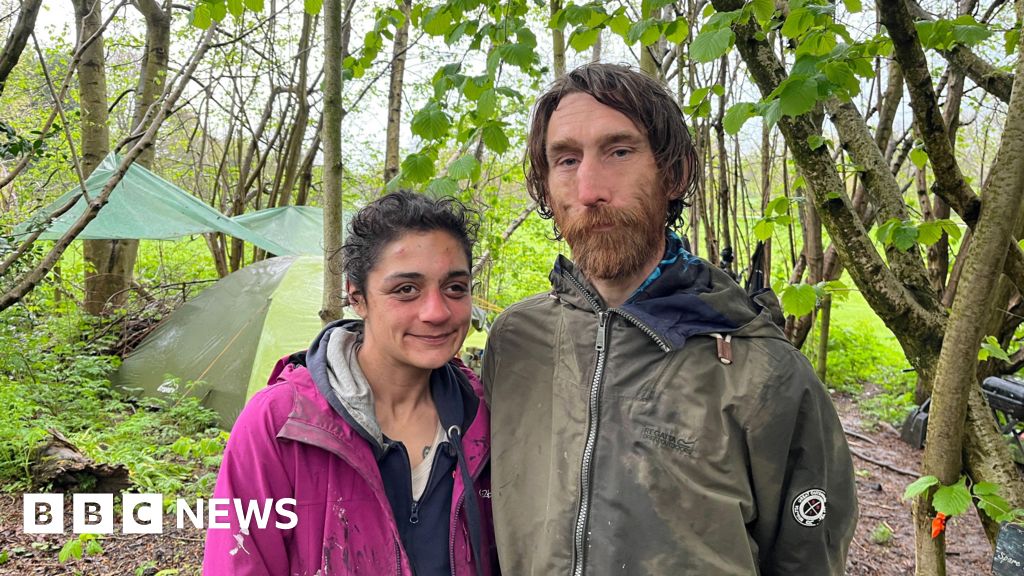
In a society that prides itself on its safety nets, the stark reality faced by Alan Cook, 39, and Hannah Ali, 32, in Derby, United Kingdom, paints a disturbing picture of a system in crisis. For months, this couple, who have bravely battled and overcome heroin addiction, have chosen the harsh embrace of a park tent over the supposed sanctuary of homeless hostels. Their poignant declaration – that the support system is “very, very broken” and that a tent offers more dignity than a hostel – forces a critical examination of the mechanisms designed to help the most vulnerable among us.
Their story is not just an isolated incident; it is a microcosm of a broader, deeply entrenched issue affecting countless individuals across the UK. It challenges conventional notions of homelessness and recovery, pushing us to question the efficacy and humanity of current support structures.
The Choice of the Tent: A Cry for Dignity
Since November, Alan and Hannah have made a park in Derby their home, their tent a fragile barrier against the elements and the judgment of society. This isn't a choice born of preference for the outdoors, but a desperate calculus of safety, autonomy, and dignity. Their previous experiences with hostels, they recount, were fraught with peril: theft, violence, drug use, and a pervasive sense of insecurity. For individuals committed to sobriety, these environments can be more detrimental than helpful, acting as relapse triggers rather than stepping stones to recovery.
“We’d rather live in a tent than a homeless hostel,” Alan states, a sentiment echoed by Hannah. This preference underscores a critical flaw: if the very institutions meant to provide shelter and support are perceived as less safe or humane than sleeping rough, then their fundamental purpose is undermined. The couple's narrative highlights a profound disconnect between policy intentions and lived experiences, where the 'solution' offered can feel more like a punishment or a threat to hard-won sobriety.
Systemic Failures and the Road to Recovery
Alan and Hannah’s journey to the park tent is complex, marked by personal struggles with addiction and a subsequent, arduous path to recovery. Their success in overcoming heroin addiction is a testament to their resilience and commitment. However, this personal victory is overshadowed by the systemic failures they encountered when seeking stable housing and support. Their experience with the local council, which they describe as unhelpful and dismissive, illustrates the bureaucratic hurdles that often exacerbate the plight of the homeless.
Homelessness is rarely a singular issue; it is often intertwined with mental health challenges, substance abuse, domestic violence, and a lack of affordable housing. The UK's housing crisis, characterized by rising rents and a shortage of social housing, pushes more people onto the streets. According to data from Shelter, hundreds of thousands of people are experiencing homelessness in the UK, with many living in temporary accommodation that is often unsuitable. The charity Crisis estimates that over 300,000 people were experiencing homelessness in Britain in 2023, a figure that continues to rise.
The couple's struggle to secure a joint tenancy is another critical point. Many housing support systems are not adequately equipped to accommodate couples, particularly those with a history of addiction, forcing difficult choices that can destabilize relationships crucial for mutual support in recovery. This oversight can inadvertently push individuals back into precarious situations, undermining their efforts to rebuild their lives.
The Broader Context: A National Crisis
The plight of Alan and Hannah is not unique to Derby. Across the UK, local authorities are grappling with an escalating homelessness crisis, often with diminishing resources. Austerity measures over the past decade have seen significant cuts to local government funding, impacting essential services, including housing and social support. This has led to a reliance on temporary accommodation, which is often costly, unsuitable, and fails to address the root causes of homelessness.
Expert analysis suggests that a 'one-size-fits-all' approach to homelessness is inherently flawed. Different individuals and couples require tailored support that considers their unique circumstances, including their history of addiction, mental health needs, and relationship dynamics. The current system, often characterized by a lack of coordination between health, housing, and social services, frequently leaves individuals falling through the cracks.
Key statistics highlight the scale of the problem: * Rising Numbers: The number of households experiencing homelessness continues to climb, with a significant increase in families living in temporary accommodation. * Hostel Conditions: Reports from various charities consistently detail poor conditions in some hostels, including safety concerns, lack of privacy, and environments not conducive to recovery. * Funding Gaps: Local authorities face immense pressure due to underfunding, making it challenging to provide comprehensive, long-term solutions.
Towards a More Humane and Effective System
The story of Alan and Hannah is a powerful call to action, urging a fundamental re-evaluation of the UK's approach to homelessness. What is needed is not just shelter, but a holistic support system that prioritizes dignity, safety, and individual needs, especially for those in recovery.
Potential solutions and reforms include: * Trauma-Informed Care: Implementing approaches that recognize and respond to the impact of trauma, which is often prevalent among homeless individuals. * Housing First Initiatives: Programs that prioritize providing immediate, stable housing without preconditions, coupled with comprehensive support services for addiction, mental health, and employment. Evidence from other countries has shown this to be highly effective. * Integrated Support Services: Better coordination between housing, health, addiction, and social care providers to ensure seamless and continuous support. * Affordable Housing Investment: A significant increase in the supply of truly affordable social housing to address the fundamental shortage. * Review of Hostel Standards: Implementing stricter regulations and oversight for homeless hostels to ensure they provide safe, clean, and supportive environments.
The courage of Alan and Hannah in sharing their story offers a vital perspective from the front lines of this crisis. Their experience serves as a stark reminder that true recovery and reintegration into society require more than just a roof overhead; they demand a system that respects human dignity, understands complex needs, and offers genuine pathways to a stable future. Until such reforms are enacted, the choice between a tent and a 'broken' system will remain a tragic reality for too many.
Stay Informed
Get the world's most important stories delivered to your inbox.
No spam, unsubscribe anytime.
Comments
No comments yet. Be the first to share your thoughts!