Galaxy Ring 2 Ultra: Samsung's Ambitious Leap in Wearable Health Tech for 2027
Samsung is poised to revolutionize personal health monitoring with the highly anticipated Galaxy Ring 2 Ultra, expected to launch in late 2027. This next-generation smart ring promises a remarkable 10-day battery life, a sleeker design, and significantly enhanced health tracking capabilities. Beyond just incremental updates, the Ring 2 Ultra aims to integrate seamlessly into Samsung's broader health ecosystem, offering a more holistic and proactive approach to wellness. Experts anticipate it will set new industry benchmarks for convenience and data accuracy in wearable technology.
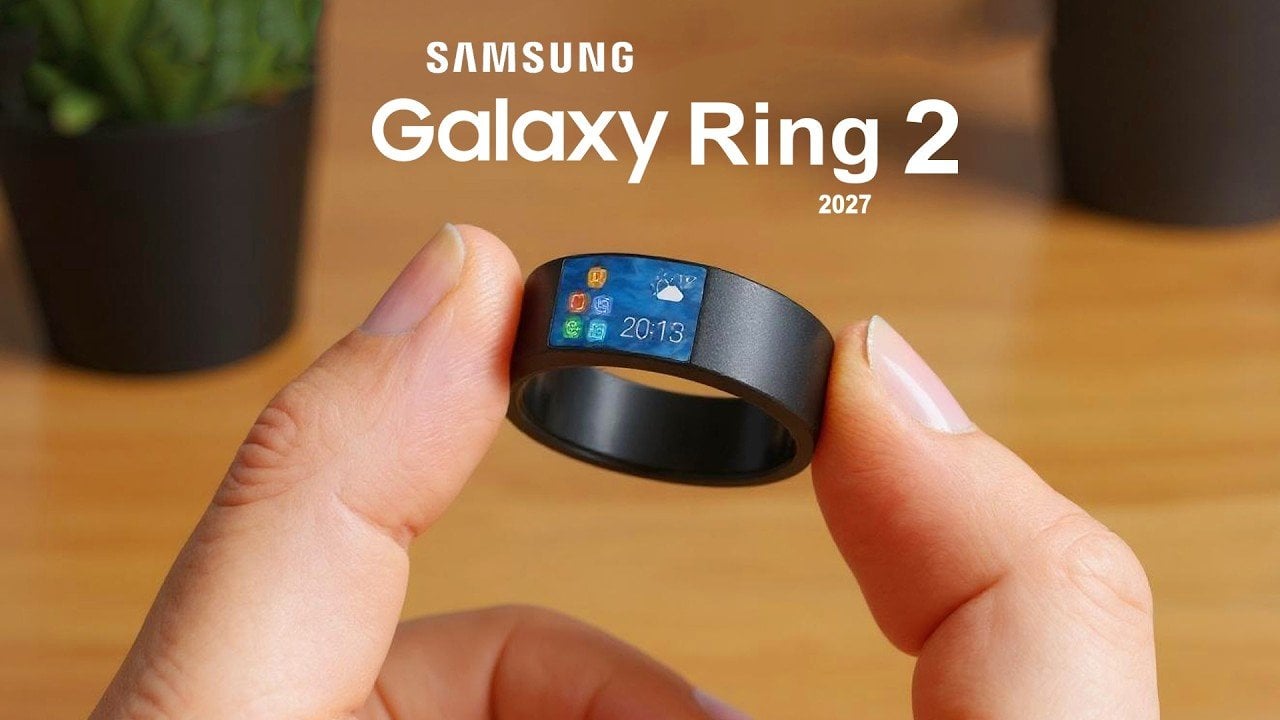
The world of wearable technology is on the cusp of another significant transformation, and at its forefront is Samsung, with the highly anticipated Galaxy Ring 2 Ultra. Slated for a launch in late 2027, this next-generation smart ring isn't just an incremental update; it's being positioned as a bold statement, aiming to redefine personal health monitoring and integrate seamlessly into the broader digital wellness landscape. For years, smartwatches have dominated the wearable health market, but the emergence of smart rings promises a more discreet, comfortable, and potentially more accurate form of data collection. Samsung's entry into this nascent but rapidly growing segment with its original Galaxy Ring was met with considerable interest, and the 'Ultra' moniker for its successor suggests an even more ambitious vision.
The Evolution of Wearable Health: From Clunky to Covert
The journey of wearable health technology has been fascinating. What began with bulky heart rate monitors strapped to chests has evolved into sophisticated devices worn on the wrist, and now, even on a finger. Early fitness trackers focused primarily on step counts and basic calorie expenditure. Over time, features like continuous heart rate monitoring, sleep tracking, and GPS integration became standard. The advent of smartwatches, spearheaded by Apple Watch and Samsung's Galaxy Watch series, brought advanced metrics like ECG, blood oxygen saturation (SpO2), and even fall detection, moving these devices from mere fitness gadgets to critical health tools. However, smartwatches, despite their capabilities, often come with trade-offs: larger form factors, frequent charging, and sometimes, a sense of being 'too much' for continuous, unobtrusive wear.
This is where smart rings step in. Their appeal lies in their subtlety and comfort. A ring, by its very nature, is less intrusive than a watch, making it ideal for 24/7 wear, including during sleep. The Oura Ring, a pioneer in this space, demonstrated the potential for a small device to gather rich biometric data, from sleep stages and body temperature to heart rate variability. Samsung's foray into this market with the original Galaxy Ring was a clear signal that a major tech giant saw the future in this form factor. The Galaxy Ring 2 Ultra is expected to build upon this foundation, addressing the limitations of first-generation devices and pushing the boundaries of what a finger-worn device can achieve.
Unpacking the 'Ultra' Promise: Battery Life, Design, and Advanced Sensors
The 'Ultra' designation in Samsung's product line typically signifies a premium offering with top-tier specifications and features. For the Galaxy Ring 2 Ultra, several key areas are slated for significant upgrades:
* Extended Battery Life: Perhaps the most compelling promise is an astonishing 10-day battery life. This is a monumental leap from typical smartwatches, which often require daily or bi-daily charging. For a device designed for continuous wear, extended battery life is not just a convenience; it's a fundamental requirement for accurate long-term data collection, especially for sleep and recovery metrics. A 10-day cycle means users can wear it for nearly two weeks without interruption, significantly enhancing the user experience and data integrity. * Thinner, Lighter Design: Comfort is paramount for a device worn on the finger. The Galaxy Ring 2 Ultra is expected to feature a thinner and lighter design, making it even less noticeable during daily activities and sleep. This ergonomic improvement is crucial for widespread adoption, as discomfort can quickly lead to device abandonment. Samsung's expertise in miniaturization, honed over years of developing smartphones and earbuds, will be critical here. * Enhanced Health Tracking: While specific new sensors are yet to be fully detailed, the 'Ultra' implies a significant upgrade in health monitoring capabilities. This could include more accurate heart rate monitoring, advanced sleep stage detection, improved stress tracking, and potentially new metrics like continuous blood pressure monitoring (a feature many wearables are striving for) or even non-invasive glucose monitoring, though the latter remains a considerable technological hurdle. The integration of AI-powered analytics will likely play a larger role, providing more personalized insights and predictive health alerts rather than just raw data. * Seamless Ecosystem Integration: Samsung's strength lies in its vast ecosystem. The Galaxy Ring 2 Ultra is expected to integrate deeply with the Samsung Health platform, offering a unified view of health data alongside information from Galaxy Watches, smartphones, and other connected devices. This holistic approach allows for more comprehensive health insights and personalized recommendations, leveraging the power of interconnected devices.
The Competitive Landscape and Market Implications
Samsung's entry into the smart ring market, particularly with an 'Ultra' version, intensifies competition in the wearable health sector. While Oura has enjoyed a relatively dominant position, the arrival of a tech giant like Samsung, with its immense R&D resources, manufacturing scale, and global marketing reach, is a game-changer. Other players, including smaller startups and potentially even Apple (rumored to be exploring a smart ring), will be watching closely.
From a market perspective, the Galaxy Ring 2 Ultra could significantly expand the smart ring category. Its potential for long battery life and advanced features could appeal to a broader demographic, including those who find smartwatches too cumbersome or aesthetically unappealing. The focus on proactive health management, rather than just reactive fitness tracking, aligns with growing consumer demand for tools that empower them to take control of their well-being. The device could also serve as a crucial data point for remote patient monitoring and preventative healthcare initiatives, bridging the gap between consumer tech and medical applications.
Challenges and the Road Ahead
Despite the exciting prospects, Samsung will face challenges. Miniaturization of advanced sensors without compromising accuracy is a complex engineering feat. Ensuring data privacy and security, especially with sensitive health information, will be paramount. Furthermore, educating consumers on the benefits of a smart ring versus a smartwatch, and positioning it not as a replacement but as a complementary or alternative device, will be key to its success. The 2027 launch window also leaves ample time for competitors to innovate, making the race for market leadership dynamic.
A Future of Proactive Wellness on Your Finger
The Galaxy Ring 2 Ultra represents more than just a new gadget; it symbolizes a future where personal health monitoring is seamlessly woven into the fabric of our daily lives, almost imperceptibly. With its promise of unprecedented battery life, refined design, and sophisticated health tracking, Samsung is not just aiming to capture market share; it's striving to set a new standard for how we interact with our own biometric data. As we approach 2027, the anticipation for this device will only grow, fueled by the vision of a more informed, proactive, and healthier future, all available at the touch of a finger. The era of the discreet, powerful health companion is truly dawning, and Samsung appears ready to lead the charge.
Stay Informed
Get the world's most important stories delivered to your inbox.
No spam, unsubscribe anytime.
Comments
No comments yet. Be the first to share your thoughts!