Global Crisis Deepens: Energy & Trade Disruptions Push Millions Towards Poverty
A confluence of global energy and trade disruptions is driving up essential costs worldwide, threatening to plunge millions into poverty. The UN's ECOSOC recently convened to address this escalating crisis, highlighting the severe impact on vulnerable households and debt-laden developing nations. Experts warn that without coordinated international action, the ripple effects could destabilize economies and societies globally. This article delves into the multifaceted challenges and potential solutions.
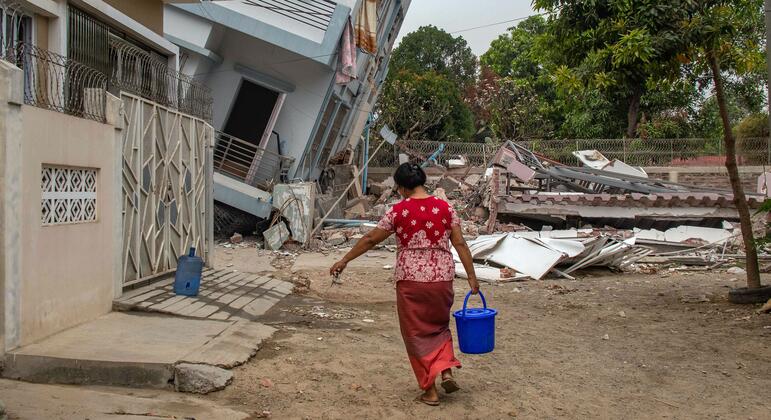
The specter of widespread poverty looms larger than ever, as a perfect storm of global energy and trade disruptions relentlessly pushes millions to the brink. From surging fuel prices to fractured supply chains, the cost of living is skyrocketing, making basic necessities like food and transport increasingly unaffordable for vulnerable households across the globe. This escalating crisis, slowing economic growth and exacerbating the plight of debt-strapped developing countries, recently took center stage at a special meeting of the UN Economic and Social Council (ECOSOC), where urgent calls were made to safeguard vital energy and trade flows amidst unprecedented volatility.
The Unraveling of Global Stability: A Multifaceted Crisis
The current predicament is not merely an economic blip; it represents a profound unraveling of the interconnected systems that underpin global stability. The COVID-19 pandemic initially exposed the fragility of global supply chains, leading to manufacturing slowdowns and shipping bottlenecks. Just as economies began to tentatively recover, geopolitical tensions, particularly the conflict in Ukraine, delivered a fresh shockwave, sending energy prices spiraling upwards and disrupting critical trade routes. This confluence of events has created a cost-of-living crisis of epic proportions, with inflation reaching multi-decade highs in many nations.
For developing countries, the situation is particularly dire. Many rely heavily on imported energy and food, making them acutely vulnerable to price fluctuations. The rising cost of debt servicing, often denominated in foreign currencies, further compounds their woes, diverting precious resources away from essential public services. As UN Secretary-General António Guterres has repeatedly warned, the world is facing a “perfect storm” that threatens to reverse decades of progress in poverty reduction and sustainable development. The ECOSOC meeting underscored these concerns, with delegates emphasizing the need for immediate and coordinated action to prevent a humanitarian catastrophe.
Supply Chain Shocks and Energy Volatility: The Root Causes
At the heart of the crisis are two intertwined phenomena: persistent supply chain disruptions and extreme energy market volatility. The pandemic-induced lockdowns and subsequent uneven economic recoveries created a mismatch between supply and demand, leading to port congestion, container shortages, and labor issues. Shipping costs, a critical component of global trade, soared to unprecedented levels, making imported goods more expensive. While some of these pressures have eased, the system remains fragile, susceptible to new shocks.
Simultaneously, the global energy landscape has been upended. The conflict in Ukraine dramatically reshaped oil and gas markets, leading to significant price increases and a scramble for alternative energy sources. European nations, heavily reliant on Russian gas, have been forced to rapidly diversify their energy portfolios, often at a higher cost. This energy crunch has a cascading effect, increasing the cost of manufacturing, agriculture, and transportation, which in turn feeds into higher consumer prices. The transition to renewable energy, while crucial for long-term sustainability, has not yet reached a scale sufficient to fully buffer these shocks, leaving many economies exposed to the vagaries of fossil fuel markets.
The Human Cost: Millions on the Brink
The most devastating consequence of these disruptions is the escalating human cost. Millions of families, particularly those in low-income brackets, are struggling to afford basic necessities. Food prices have surged globally, pushing more people into food insecurity. The World Bank estimates that the crisis could push an additional 75 to 95 million people into extreme poverty in 2022 alone. This is not just about economic statistics; it’s about parents struggling to feed their children, families choosing between medicine and rent, and communities facing the prospect of widespread destitution.
* Food Insecurity: Rising fertilizer costs, energy prices, and trade restrictions have driven up the cost of agricultural production, impacting global food supplies and prices. The UN Food and Agriculture Organization (FAO) has warned of record-high food price indices. * Healthcare Access: Increased transport costs affect the distribution of essential medicines and medical supplies, while economic strain limits households' ability to pay for healthcare. * Education Disruption: Families facing severe financial hardship may be forced to pull children out of school to work, jeopardizing their long-term prospects. * Social Unrest: Historical precedents show that prolonged economic hardship and food shortages can fuel social unrest and political instability, further complicating recovery efforts.
Navigating the Storm: Pathways to Resilience
Addressing this multifaceted crisis requires a comprehensive and coordinated international response. The ECOSOC meeting highlighted several critical areas for action:
1. Strengthening Global Cooperation: Enhanced dialogue and collaboration among nations are essential to stabilize energy markets, optimize trade routes, and ensure equitable distribution of resources. This includes exploring mechanisms for emergency food and energy reserves. 2. Investment in Sustainable Energy: Accelerating the transition to renewable energy sources is not only crucial for climate action but also for enhancing energy security and reducing vulnerability to fossil fuel price shocks. This requires significant investment, technology transfer, and capacity building in developing countries. 3. Debt Relief and Financial Support: Debt-strapped developing countries need urgent relief and access to affordable financing to navigate the crisis. International financial institutions must play a pivotal role in providing liquidity and supporting economic recovery programs. 4. Resilient Supply Chains: Diversifying supply sources, investing in local and regional production capabilities, and improving infrastructure can help build more robust and less vulnerable supply chains. Digitalization and data sharing can also enhance transparency and efficiency. 5. Social Safety Nets: Governments must expand and strengthen social safety nets to protect the most vulnerable populations from the immediate impacts of rising costs. This includes targeted cash transfers, food assistance programs, and unemployment benefits.
A Call for Collective Action and Long-Term Vision
The current global energy and trade disruptions are more than just economic challenges; they are a profound test of international solidarity and our collective capacity to build a more resilient and equitable world. The warnings from the UN and other international bodies are clear: inaction is not an option. The path forward demands a blend of immediate humanitarian relief, strategic investments in sustainable infrastructure, and a renewed commitment to multilateralism. Only through concerted efforts can we hope to mitigate the immediate suffering, stabilize global systems, and lay the groundwork for a future where prosperity is shared, and no one is left behind. The decisions made today will determine the fate of millions and shape the trajectory of global development for decades to come, urging leaders to act with foresight and unwavering resolve.
Stay Informed
Get the world's most important stories delivered to your inbox.
No spam, unsubscribe anytime.
Comments
No comments yet. Be the first to share your thoughts!