Google's Noto 3D Emojis: A New Dimension in Digital Expression Overtakes Competitors
Google is revolutionizing digital communication with its new Noto 3D emojis, bringing unprecedented depth and realism to over 4,000 expressions. This significant upgrade, initially rolling out to Pixel devices, promises to enhance emotional nuance and user engagement, potentially setting a new industry standard. Experts believe this move could reshape how we convey feelings online, offering a richer, more immersive visual language.
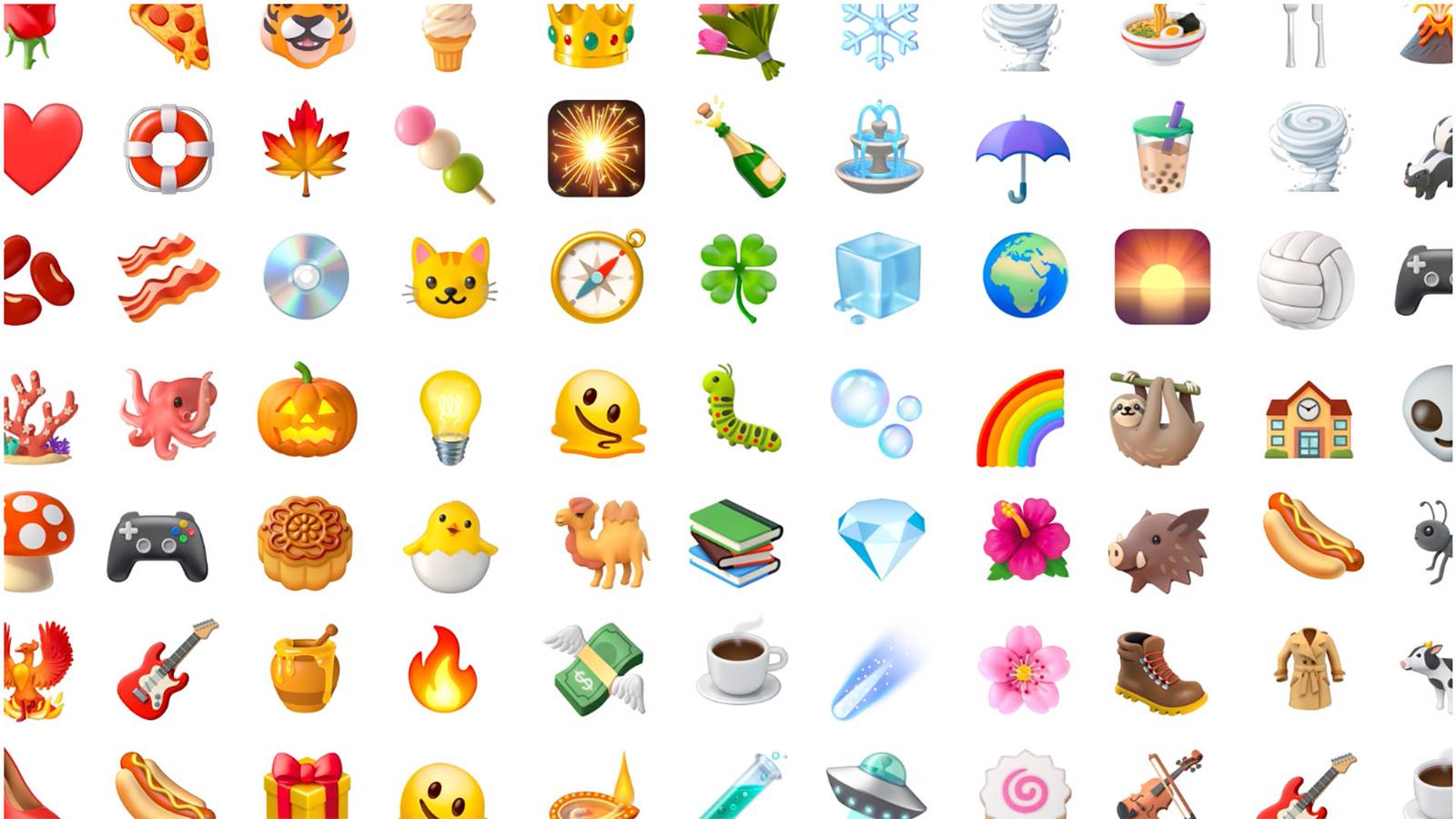
In an increasingly digital world where screens mediate much of our interaction, the humble emoji has evolved from a simple graphic into a sophisticated tool for conveying emotion, tone, and even complex ideas. For many, these tiny icons are the digital equivalent of a shrug, a smile, or a knowing glance, filling the void left by the absence of non-verbal cues in text-based communication. Today, Google has unveiled a significant leap forward in this visual lexicon, introducing Noto 3D, a breathtaking overhaul that imbues its vast library of over 4,000 emojis with unprecedented depth and realism. This isn't just a cosmetic update; it's a fundamental reimagining of how we express ourselves online, promising a richer, more nuanced digital dialogue that, according to early adopters, leaves competitors scrambling to catch up.
The Dawn of Dimensional Expression
The announcement, initially detailed in a Google blog post, marks a pivotal moment in the evolution of digital iconography. The Noto 3D project, a collaborative effort between Google's design and engineering teams, aims to transcend the flat, two-dimensional constraints that have long defined emoji aesthetics. By rendering each icon in full 3D, Google has introduced a new layer of visual information, allowing for more intricate details, dynamic lighting, and a palpable sense of volume. Imagine a blushing face where the blush subtly contours the cheek, or a crying face where tears glisten with a realistic sheen. These are the subtle yet powerful enhancements that Noto 3D brings to the table, transforming static symbols into vibrant, miniature sculptures of emotion. This initiative is more than just about making emojis look 'nicer'; it's about making them more expressive, more relatable, and ultimately, more effective as communication tools. The initial rollout to Pixel devices underscores Google's strategy to leverage its hardware ecosystem as a launchpad for cutting-edge software innovations, giving its users an exclusive first taste of this new visual language.
Beyond the Flat Screen: A Historical Perspective
To truly appreciate the significance of Noto 3D, it's crucial to understand the journey of the emoji. Originating in Japan in the late 1990s, these pictograms were initially simple, pixelated images designed to add emotional context to text messages. Shigetaka Kurita, often credited with creating the first set of 176 emojis for NTT DoCoMo, could hardly have envisioned their global proliferation. The early 2010s saw their mainstream adoption, largely propelled by Apple's inclusion of an emoji keyboard in iOS. For years, the industry standard remained largely two-dimensional, with variations primarily in style and color palette across different platforms. While Apple's emojis have often been lauded for their polished design and expressive quality, they have largely adhered to a flat, illustrative aesthetic. Google's previous emoji iterations, while functional, sometimes faced criticism for being less expressive or visually appealing than their Apple counterparts. The Noto 3D project represents a direct response to this, not just catching up but arguably surpassing the current industry benchmark by introducing a third dimension. This move is reminiscent of the transition from black-and-white to color television, or from 2D animation to CGI – a fundamental shift that redefines the medium itself.
The Psychology of Depth: Why 3D Matters
The human brain is wired to interpret depth and volume. Our perception of the world is inherently three-dimensional, and this influences how we process visual information. When an object gains depth, it often appears more real, more tangible, and consequently, more impactful. In the context of emojis, this means that a 3D rendering can evoke a stronger emotional response and convey nuances that a flat image might miss. Dr. Anya Sharma, a digital communication expert, notes, “The added dimension allows for a greater range of subtle expressions. A slight tilt of a head, the way light catches a tear, or the texture of a furrowed brow – these details, previously impossible in 2D, now contribute significantly to the emotional fidelity of the emoji. It reduces ambiguity and enhances empathy in digital conversations.” This psychological impact is not trivial; in a world where miscommunication is rife, any tool that can clarify intent and emotion is invaluable. Furthermore, the move to 3D aligns with broader trends in digital design, from immersive gaming environments to augmented reality experiences, where depth and realism are paramount. Google's investment in Noto 3D is a bet on the future of digital interaction, recognizing that users crave richer, more immersive forms of communication.
Technical Marvel and Design Philosophy
The creation of Noto 3D was no small feat. Google's Noto project, which aims to support all languages and scripts with a harmonious visual aesthetic, now extends this ambition into the third dimension. The process involved meticulous modeling, texturing, and lighting for each of the 4,000+ emojis. This required a deep understanding of material properties, light physics, and a keen eye for emotional expression. The design philosophy behind Noto 3D emphasizes universality and clarity. While adding depth, the designers ensured that the core meaning of each emoji remained instantly recognizable across cultures. This is a delicate balance: enhancing realism without sacrificing the iconic simplicity that makes emojis so effective. The technical infrastructure supporting this also needs to be robust, ensuring that these richer graphics load efficiently across various devices and platforms, from high-end smartphones to more modest ones. Google's extensive cloud infrastructure and optimization expertise will be crucial in delivering this experience seamlessly to millions of users worldwide.
Implications and the Road Ahead
The introduction of Noto 3D has significant implications for the digital landscape. Firstly, it raises the bar for all other platform providers. Apple, Samsung, and other emoji developers will undoubtedly feel pressure to respond, potentially sparking a new era of innovation in digital iconography. This competition could ultimately benefit users, leading to even more sophisticated and expressive communication tools. Secondly, Noto 3D could pave the way for more integrated and immersive experiences. Imagine these 3D emojis seamlessly transitioning into augmented reality applications, or being used in virtual reality environments. The foundational work done here could unlock new possibilities for interactive storytelling and personalized digital avatars. Thirdly, for developers, it presents new opportunities to incorporate richer visual elements into their applications, potentially leading to more engaging user interfaces. However, challenges remain, such as ensuring backward compatibility, managing file sizes for efficient transmission, and maintaining a consistent visual language across different contexts. As Google continues to roll out Noto 3D, initially to its Pixel devices and then more broadly, it is clear that the company is not just updating its emojis; it is actively shaping the future of digital expression. The era of flat, static icons is slowly but surely giving way to a vibrant, three-dimensional world where every digital smile, tear, or thumbs-up carries a new weight of realism and emotional depth, promising a more connected and expressive digital future for us all.
Stay Informed
Get the world's most important stories delivered to your inbox.
No spam, unsubscribe anytime.
Comments
No comments yet. Be the first to share your thoughts!