Hantavirus Cruise Repatriation: The Perilous Journey Home and Global Health Implications
A complex international operation is underway to repatriate Australian and New Zealander passengers from the MC Hondius cruise ship, which was struck by a deadly hantavirus outbreak. Health officials face a "difficult" mission, rerouting passengers through the Netherlands before a long quarantine in Perth. This incident highlights the challenges of managing infectious diseases in global travel and the critical role of rapid public health responses.
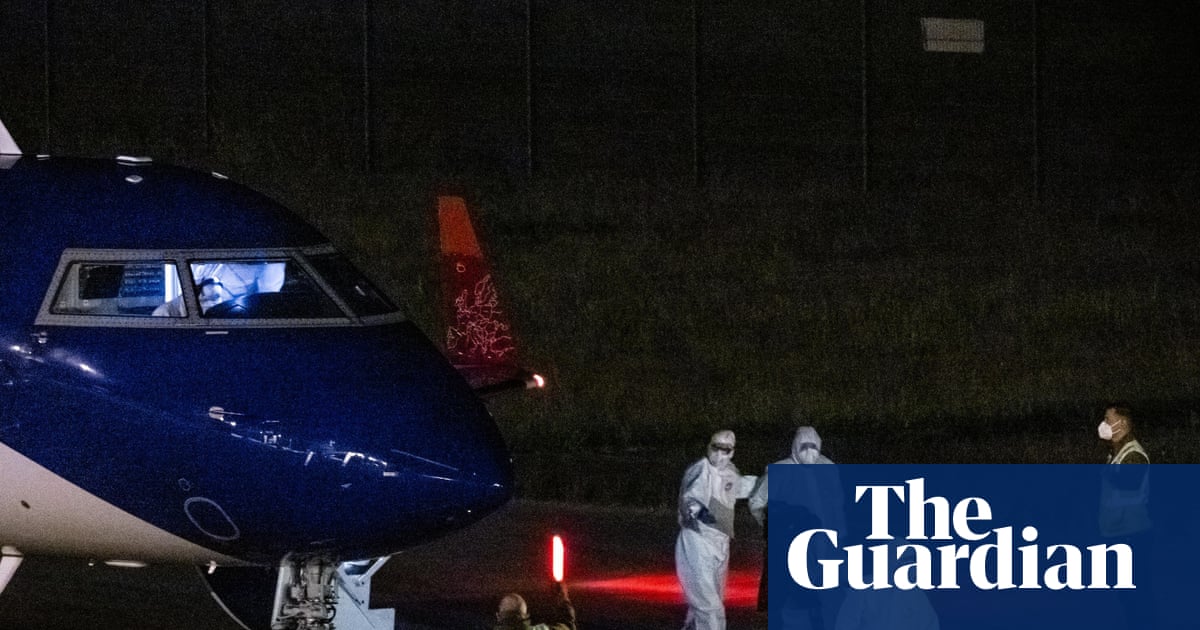
The serene allure of an Antarctic cruise transformed into a chilling ordeal for passengers aboard the MC Hondius, as a deadly hantavirus outbreak turned a dream vacation into a global health emergency. Now, a meticulously planned, yet fraught, mission is underway to bring home the affected Australian and New Zealand citizens. This complex repatriation, described by Australian Health Minister Mark Butler as "difficult," involves a circuitous route through the Netherlands before a mandatory, weeks-long quarantine in Perth, underscoring the severe challenges posed by emerging infectious diseases in an interconnected world.
The incident began to unfold when several passengers on the expedition cruise contracted hantavirus, a rare but potentially fatal viral infection. The immediate priority shifted from tourism to containment and care, triggering an international response involving multiple governments and health agencies. The decision to reroute the charter flight carrying these passengers and crew through the Netherlands, rather than directly to Australia, was a last-minute adjustment necessitated by logistical and health considerations, further complicating an already delicate operation. Once in Perth, these individuals, including the flight crew, will face an extended period of isolation, a stark reminder of the virus's incubation period and the need for stringent public health protocols.
Understanding the Hantavirus Threat
Hantavirus Pulmonary Syndrome (HPS) is a severe, often fatal, respiratory disease in humans caused by hantaviruses. These viruses are primarily transmitted to humans through contact with infected rodents or their urine, droppings, or saliva. While the specific strain and mode of transmission on the MC Hondius are still under investigation, the cruise ship environment, particularly in expedition vessels traversing remote regions, presents unique challenges for infection control. The symptoms, which can mimic common respiratory illnesses initially, often escalate rapidly to severe respiratory distress, making early diagnosis and isolation critical.
Historically, hantaviruses have been known to cause outbreaks in various parts of the world. The first major recognition of HPS in the Americas occurred in 1993 in the Four Corners region of the United States, where a cluster of unexplained adult respiratory illnesses led to the identification of Sin Nombre virus. Since then, different hantavirus strains have been identified globally, each with its own rodent reservoir and geographical distribution. The fatality rate for HPS can be as high as 38%, emphasizing the gravity of the current situation and the cautious approach taken by health authorities. The rarity of hantavirus transmission on a cruise ship, particularly in the Antarctic region, makes this incident particularly unusual and a subject of intense epidemiological scrutiny.
The Logistical Labyrinth of Repatriation
Repatriating individuals exposed to a dangerous pathogen from a remote location is an exercise in complex logistics and international diplomacy. The journey of the MC Hondius passengers highlights this intricate dance. Initially, plans might have involved direct flights or more straightforward routes, but the evolving health situation and the need for specialized medical transport and quarantine facilities often necessitate deviations. The involvement of the Netherlands as an interim stop suggests a collaborative effort to ensure the safest possible transit, perhaps utilizing specific medical transport capabilities or staging points available there.
For the Australian and New Zealand governments, this operation is not merely about transportation; it's about safeguarding public health while fulfilling their duty of care to their citizens. The decision to enforce a mandatory, weeks-long quarantine in Perth reflects a commitment to preventing any potential secondary spread within the community. This measure, while inconvenient for those involved, is a cornerstone of infectious disease control, especially for viruses with long incubation periods or unclear transmission dynamics. The psychological toll on those undergoing isolation, having already endured a traumatic experience, is also a significant consideration for support services.
Broader Implications for Global Travel and Public Health
This hantavirus incident serves as a potent reminder of the inherent risks in global travel, particularly to exotic or remote destinations, and the constant vigilance required from public health systems. Cruise ships, by their very nature, are enclosed environments where pathogens can spread rapidly, as starkly demonstrated during the early days of the COVID-19 pandemic. While hantavirus is not typically transmitted person-to-person, the close quarters and shared facilities on a vessel necessitate extreme caution and rapid response protocols.
Expert analysis suggests that as human exploration extends into previously untouched ecosystems, the likelihood of encountering novel pathogens or known pathogens in unusual contexts increases. This incident prompts a re-evaluation of health screening protocols for expedition cruises, emergency response plans, and international cooperation frameworks for managing outbreaks on vessels. Dr. Eleanor Riley, an immunologist specializing in infectious diseases, notes, "Every such event, from SARS to MERS to COVID-19, and now this hantavirus incident, provides invaluable lessons. We must continually adapt our surveillance, diagnostic capabilities, and rapid containment strategies to stay ahead of these evolving threats. The economic and social impact of these events can be devastating, making proactive public health measures paramount."
Furthermore, the incident underscores the importance of robust public health infrastructure at national and international levels. The ability to quickly identify, isolate, and treat cases, coupled with efficient contact tracing and quarantine measures, is critical. The seamless coordination between various national health departments, the cruise line, and international bodies like the WHO, though often challenging, is essential for successful outcomes in such crises. The experience gained from the COVID-19 pandemic, particularly in managing repatriations and mass quarantines, is undoubtedly being leveraged in this current operation.
A Forward Look: Strengthening Defenses Against Future Outbreaks
The successful repatriation and quarantine of the MC Hondius passengers will mark the end of one chapter, but the lessons learned will resonate for years to come. This event will likely spur renewed discussions within the maritime industry and public health sectors regarding enhanced biosecurity measures on cruise ships, particularly those venturing into areas with potential zoonotic disease risks. This could include more rigorous pre-boarding health screenings, improved onboard medical facilities, and clearer protocols for outbreak management and passenger evacuation.
For travelers, the incident serves as a powerful reminder of the importance of travel insurance, understanding the health risks associated with their chosen destinations, and adhering to public health advisories. As global travel rebounds, the imperative to build more resilient health systems and foster greater international collaboration becomes ever more critical. The hantavirus cruise incident, while a localized crisis, is a microcosm of the broader challenges humanity faces in an era of increasing interconnectedness and ecological interface. The “difficult mission” to bring these passengers home is not just about individuals; it's about reinforcing the global health security architecture against the next unforeseen threat.
Stay Informed
Get the world's most important stories delivered to your inbox.
No spam, unsubscribe anytime.
Comments
No comments yet. Be the first to share your thoughts!