Hantavirus Scare: French National Develops Symptoms After Cruise Ship Repatriation
A French national, repatriated from the MV Hondius cruise ship, has developed symptoms consistent with hantavirus, prompting immediate quarantine measures in Paris. This incident highlights the global health challenges posed by zoonotic diseases and the complexities of international travel. Authorities are monitoring the situation closely as four other passengers from the same vessel are also under quarantine.
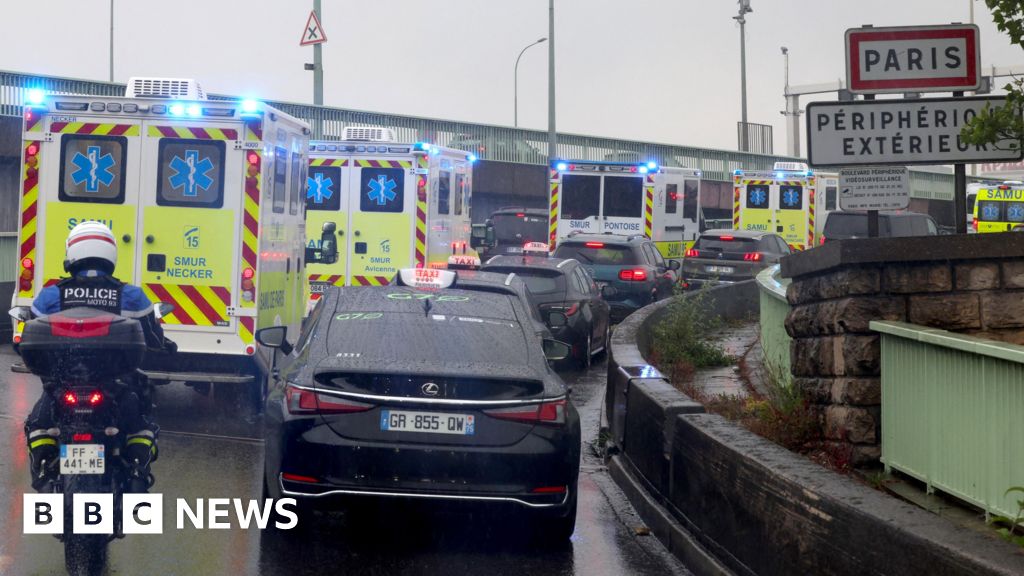
In a stark reminder of the persistent threat posed by zoonotic diseases, a French national returning from a cruise on the MV Hondius has developed symptoms indicative of hantavirus. The individual, whose identity has not been released, began showing signs of illness during the repatriation process, immediately triggering stringent public health protocols. This development has sent ripples of concern through international health agencies and underscores the intricate challenges of managing infectious disease outbreaks in a globally interconnected world. French Prime Minister Gabriel Attal confirmed that the symptomatic passenger, along with four other individuals from the same voyage, will be held in quarantine in Paris "until further notice," as authorities work to contain any potential spread and monitor their health.
The MV Hondius Incident: A Timeline of Concern
The MV Hondius, a polar expedition vessel, became the focal point of international attention after reports emerged of a hantavirus outbreak among its passengers and crew. The ship, known for its voyages to remote and pristine environments, unexpectedly found itself at the center of a public health crisis. While the exact origin of the exposure remains under investigation, hantaviruses are typically transmitted to humans through contact with infected rodent droppings, urine, or saliva, often in rural or wilderness settings. Passengers on expedition cruises, by their very nature, often engage in activities that could bring them into closer proximity with such environments. The initial reports of illness on board prompted a swift response, with health authorities in various countries coordinating efforts to track, test, and, if necessary, isolate individuals who had been on the ship. The repatriation of passengers, particularly those who might have been exposed, became a logistical and medical challenge, requiring careful planning and execution to minimize risk.
Understanding Hantavirus: A Global Health Threat
Hantaviruses are a group of RNA viruses that can cause severe, sometimes fatal, diseases in humans, primarily Hantavirus Pulmonary Syndrome (HPS) and Hemorrhagic Fever with Renal Syndrome (HFRS). The specific strain and its geographical origin often determine the clinical manifestation. HPS, prevalent in the Americas, is characterized by respiratory distress, often leading to acute respiratory failure, while HFRS, more common in Europe and Asia, involves kidney damage and hemorrhagic symptoms. The incubation period for hantavirus can range from a few days to several weeks, making early detection and contact tracing particularly challenging. Symptoms often begin with flu-like signs such as fever, muscle aches, and fatigue, which can then progress to more severe conditions. The case fatality rate for HPS can be as high as 30-40%, while for HFRS it varies depending on the specific virus, but can also be significant. There is currently no specific antiviral treatment for hantavirus infections, and medical care focuses on supportive measures, including oxygen therapy and fluid management. This lack of a targeted cure emphasizes the importance of prevention and rapid response when outbreaks occur.
Historically, hantavirus has been recognized as a significant public health concern for decades. The first well-documented outbreak of HPS in the United States occurred in the Four Corners region in 1993, linked to deer mouse populations. Since then, surveillance and public awareness campaigns have been crucial in mitigating its spread. Globally, the disease continues to pose a threat, especially in regions with high rodent populations and human encroachment into natural habitats. The MV Hondius incident serves as a potent reminder that even in an era of advanced medicine, ancient pathogens can still emerge and disrupt lives, especially when facilitated by modern travel.
International Response and Quarantine Protocols
The French government's decision to quarantine the five passengers reflects a cautious and proactive approach to public health. Quarantine is a critical tool in infectious disease control, used to separate and restrict the movement of well persons who may have been exposed to a contagious disease to see if they become ill. In this instance, the symptomatic passenger's condition during repatriation likely elevated the risk assessment, necessitating immediate isolation. The other four individuals, while currently asymptomatic, are being quarantined as a precautionary measure due to their proximity to the outbreak and potential exposure. This strategy aims to prevent secondary transmission within the community, particularly given the potentially severe nature of hantavirus infections.
International cooperation is paramount in such situations. Health authorities from the Netherlands (where the MV Hondius is registered), France, and potentially other nations whose citizens were on board, would be collaborating to share information, coordinate passenger tracking, and ensure consistent public health messaging. The World Health Organization (WHO) often plays a coordinating role, providing guidelines and support for managing international health emergencies. The logistical complexities involve: tracing all passengers and crew, assessing their risk levels, arranging safe travel for repatriation, and implementing appropriate monitoring and quarantine measures upon arrival. This requires seamless communication and data sharing between diverse national health systems, often under significant time pressure.
Implications for Travel and Public Health Preparedness
The hantavirus incident on the MV Hondius carries significant implications for the travel industry, particularly for expedition cruises that venture into remote areas. It highlights the need for: * Enhanced pre-travel health advisories: Informing passengers about potential health risks in destinations. * Onboard medical preparedness: Ensuring cruise ships have robust medical facilities and protocols for identifying and managing infectious diseases. * Rapid response mechanisms: Establishing clear lines of communication and action plans for outbreaks during voyages. * Post-travel surveillance: Implementing systems to monitor passengers after they disembark, especially if there's a known exposure event.
For public health agencies, this event reinforces the importance of global surveillance systems and the capacity to respond swiftly to emerging and re-emerging zoonotic threats. The increasing frequency of human-wildlife interaction, coupled with climate change and rapid urbanization, creates fertile ground for pathogens to jump species barriers. As such, continuous investment in research, diagnostic capabilities, and public health infrastructure is not merely beneficial but essential for safeguarding global health security. The experience with hantavirus on the MV Hondius serves as a potent case study, urging a re-evaluation of preparedness strategies for unexpected infectious disease challenges in an increasingly mobile world.
Looking ahead, the focus will remain on the health of the quarantined individuals and the ongoing investigation into the source of the hantavirus exposure on the MV Hondius. This incident is a sharp reminder that even as humanity grapples with well-known pandemics, the silent threats of zoonotic diseases continue to lurk, demanding vigilance, scientific rigor, and coordinated international action to protect public health.
Stay Informed
Get the world's most important stories delivered to your inbox.
No spam, unsubscribe anytime.
Comments
No comments yet. Be the first to share your thoughts!