Hormuz Blockade: Iran Faces Staggering $435M Daily Loss Amid US Tensions
A potential US blockade of Iranian ports in the Strait of Hormuz could inflict an estimated $435 million in daily economic losses on Iran, escalating already fraught tensions between Washington and Tehran. This severe economic blow underscores the high stakes of geopolitical maneuvering in the vital oil transit chokepoint.
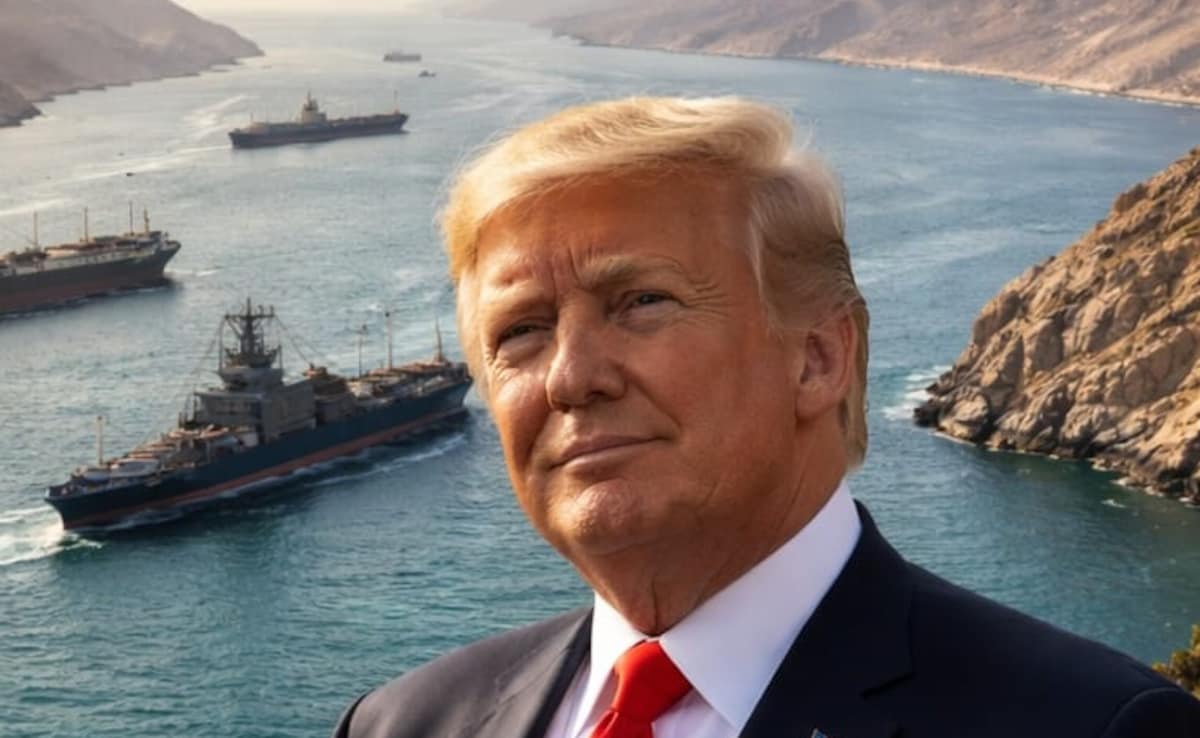
Washington D.C. – The strategic Strait of Hormuz, a narrow maritime passage through which a significant portion of the world's oil supply transits, has once again become the epicenter of escalating geopolitical tensions between the United States and Iran. A recent analysis, highlighted by a Wall Street Journal report, suggests that a successful US blockade of Iranian ports in this critical waterway could cost Tehran an astronomical $435 million (approximately Rs 4,081 crore) in economic damage every single day.
This staggering figure underscores the immense economic leverage Washington could wield, and the catastrophic consequences such a move would have on Iran's already beleaguered economy. The potential for such a blockade comes at a time of heightened animosity, with both nations engaging in a dangerous dance of rhetoric and military posturing.
The Strait of Hormuz is not merely a shipping lane; it is a global economic artery. Roughly one-fifth of the world's total oil consumption, and a third of all seaborne oil, passes through this chokepoint, connecting the oil-rich Persian Gulf states to international markets. Any disruption here sends immediate shockwaves through global energy prices and supply chains. For Iran, whose economy is heavily reliant on oil exports, access to this strait is existential. Sanctions have already crippled its ability to sell oil, and a physical blockade would be a near-total strangulation of its primary revenue source.
Enforcing such a blockade, however, is not without its own set of formidable challenges for the United States. It would necessitate a sustained and robust commitment of US Navy ships and personnel, transforming the region into a highly militarized zone. The logistical complexities, coupled with the inherent risks of direct confrontation with Iranian forces, would be immense. Furthermore, the legal ramifications of such an action would require clear and precise guidance from the US administration and its legal departments, navigating international maritime law and potential accusations of acts of war.
The implications extend far beyond the immediate financial impact on Iran. A blockade would undoubtedly trigger a severe humanitarian crisis within Iran, exacerbating shortages of essential goods and medicines. Regionally, it could destabilize the entire Middle East, drawing in other actors and potentially igniting a broader conflict. Globally, the economic fallout would be profound, disrupting oil markets, increasing shipping costs, and likely plunging the world economy into recession.
Historically, Iran has threatened to close the Strait of Hormuz itself in response to sanctions or military threats, a move that would be equally devastating for global trade. The current scenario, however, flips the script, with the US potentially initiating the disruption. This demonstrates the evolving nature of hybrid warfare and economic coercion in international relations.
As tensions continue to simmer, the international community watches with bated breath. The prospect of a US blockade, with its potential for daily losses reaching hundreds of millions for Iran, serves as a stark reminder of the volatile nature of the region and the urgent need for diplomatic solutions to avert a catastrophic escalation.