Hungary Summons Russian Envoy After Drone Attack Hits Ukrainian Region with Hungarian Minority
Hungary has taken the rare step of summoning the Russian ambassador after a massive drone attack by Russia targeted Ukraine's western Zakarpattia Oblast, a region with a significant Hungarian minority. This escalation marks a potential shift in Budapest's often-ambiguous stance towards the conflict, raising questions about regional stability and the future of Hungarian-Russian relations. The attack, involving over 800 drones, killed at least six and injured dozens, underscoring the brutal reality of the ongoing war.
In a significant diplomatic move that underscores the escalating complexities of the war in Ukraine, Hungary has summoned the Russian ambassador following a devastating mass drone attack that struck Ukraine's western Zakarpattia Oblast. This region, bordering Hungary, is home to a substantial ethnic Hungarian minority, making the targeting of the area particularly sensitive for Budapest. The May 13 assault, which saw Russia unleash an unprecedented barrage of over 800 drones, resulted in at least six deaths and dozens of injuries, including children, according to Ukrainian officials.
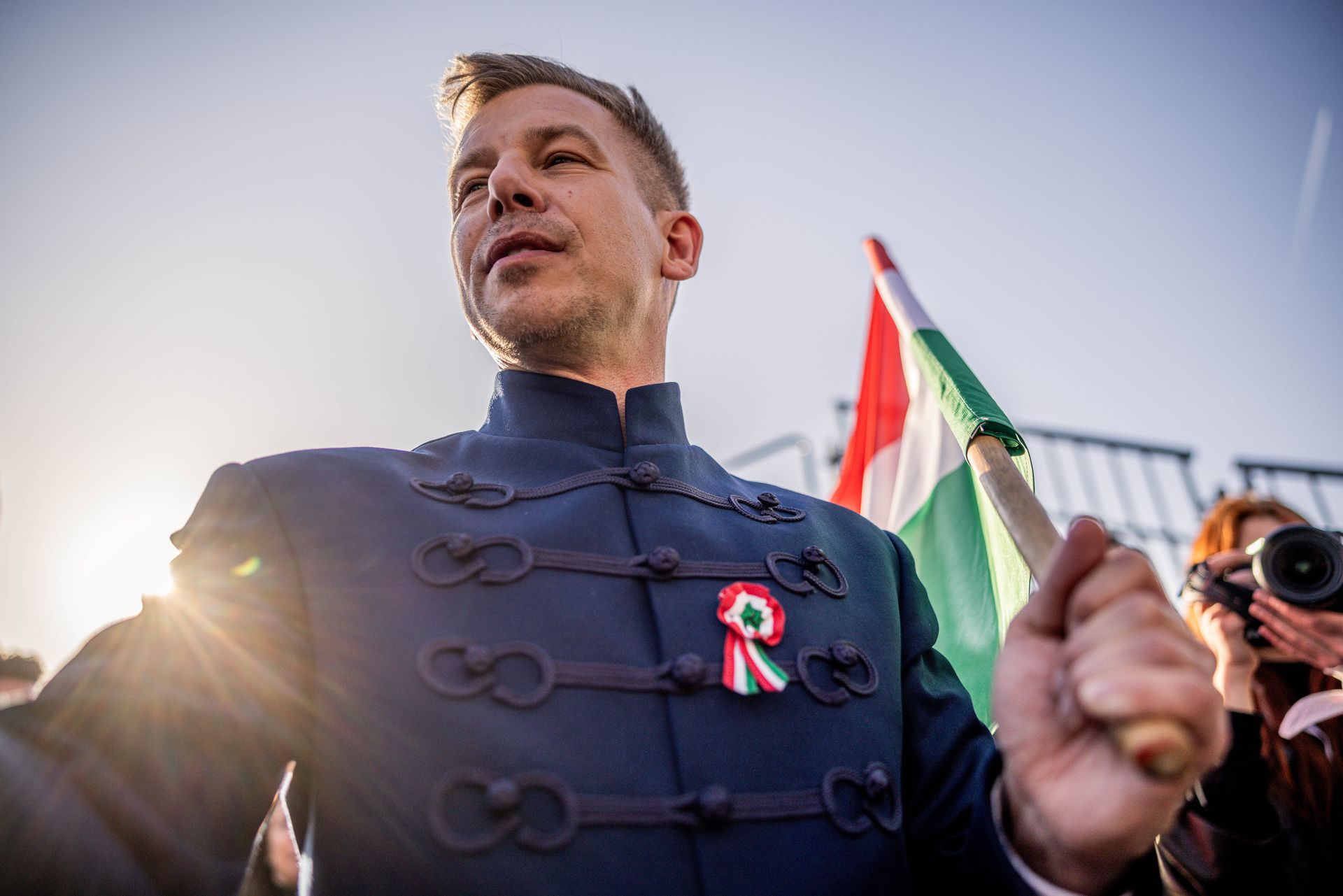
Prime Minister Peter Magyar's announcement of the summons on May 13 signals a potential inflection point in Hungary's often-criticized stance on the conflict. Budapest has, until now, maintained a delicate balance, condemning Russian aggression but also advocating for peace talks and resisting certain EU sanctions against Moscow, citing national energy interests. The direct targeting of an area with strong ethnic ties to Hungary appears to have crossed a red line, prompting a more assertive diplomatic response than previously observed.
The Unprecedented Scale of Attack and Its Human Cost
The May 13 drone assault stands out not only for its geographical reach but also for its sheer scale. Ukrainian air defense systems reported intercepting a significant number of these unmanned aerial vehicles, yet many still reached their targets, causing widespread destruction and loss of life. The use of "kamikaze" drones, often Iranian-made Shahed-136/131s, has become a hallmark of Russia's strategy to overwhelm Ukrainian defenses and strike critical infrastructure and civilian areas far from the front lines. The attack on Zakarpattia Oblast, previously spared the intensity of such bombardments, highlights Russia's expanding target list and its willingness to inflict terror across the entire breadth of Ukrainian territory.
Eyewitness accounts from the affected areas paint a grim picture of shattered homes, disrupted lives, and the constant fear of aerial bombardment. The psychological toll on the civilian population, particularly in regions like Zakarpattia that had previously felt relatively safe, is immense. Hospitals are stretched, emergency services are overwhelmed, and the constant threat of further attacks looms large. The humanitarian crisis, already profound, deepens with each new wave of aggression, pushing millions to the brink and exacerbating regional instability.
Hungary's Delicate Diplomatic Dance and Its Implications
Hungary's foreign policy under Prime Minister Viktor Orbán has been characterized by a pragmatic, often nationalistic, approach that has sought to maintain ties with both Western allies and Russia. This strategy has frequently put Budapest at odds with its EU and NATO partners, particularly regarding sanctions and military aid to Ukraine. Orbán has consistently argued for a swift end to the conflict through negotiations, often echoing Kremlin talking points and criticizing the West's escalatory measures. This stance has led to accusations of undermining European unity and playing into Russia's hands.
However, the targeting of Zakarpattia Oblast introduces a new dynamic. The region's ~150,000 ethnic Hungarians represent a significant cultural and political link between the two nations. Budapest has long championed the rights of this minority, often using it as leverage in its relations with Kyiv. While the Ukrainian government has been criticized by Hungary for its language laws affecting minorities, the direct threat to the safety and well-being of these ethnic Hungarians by Russian forces creates an undeniable shift in the narrative. Summoning the Russian ambassador is a clear, albeit measured, signal that even Hungary's tolerance for Russian actions has limits when its own perceived national interests, particularly the safety of its diaspora, are directly threatened.
This diplomatic action could have several implications:
* Internal Pressure: Orbán's government might face increased domestic pressure to take a stronger stance against Russia, especially from nationalist factions concerned about the welfare of ethnic Hungarians abroad. * EU and NATO Relations: It could serve to mend some fences with EU and NATO partners who have been critical of Hungary's perceived pro-Russian leanings, demonstrating a degree of alignment on core security concerns. * Russian Response: Moscow will likely view this as a significant diplomatic rebuke, potentially straining relations with one of its few remaining EU sympathizers. * Future Policy: While unlikely to lead to a complete overhaul of Hungarian foreign policy, it might prompt a more cautious and less overtly pro-Russian approach in certain contexts.
Historical Context and Regional Tensions
The historical ties between Hungary and Zakarpattia (known as Transcarpathia in Ukraine) are deep and complex. The region was part of the Kingdom of Hungary for centuries before being ceded to Czechoslovakia after World War I, and then to the Soviet Union after World War II, eventually becoming part of independent Ukraine. This history has fostered a strong sense of identity among the ethnic Hungarian population, who maintain close cultural, linguistic, and familial links with Hungary.
Post-Soviet independence, Ukraine's treatment of its Hungarian minority has been a recurring point of contention. Disputes over language laws, education, and dual citizenship have fueled diplomatic spats between Kyiv and Budapest. Hungary has often used its position within the EU and NATO to advocate for the rights of ethnic Hungarians in Ukraine, sometimes to the frustration of Kyiv. This backdrop makes the current situation even more intricate, as Hungary must now balance its historical advocacy for the minority with the immediate threat posed by Russian aggression.
A Glimmer of Unity or a Fleeting Moment?
The summons of the Russian ambassador, while a notable diplomatic gesture, raises questions about its long-term impact on Hungary's foreign policy. Will this incident prompt a fundamental re-evaluation of Budapest's relationship with Moscow and its approach to the Ukrainian conflict? Or will it be a temporary, tactical response to a direct threat to its ethnic kin, after which Hungary reverts to its previous, more ambivalent stance?
Expert analysts suggest that while the move is significant, it might not signify a complete U-turn. "Hungary's foreign policy is deeply rooted in its national interests, and while the attack on Zakarpattia is concerning, it doesn't automatically erase years of strategic alignment or energy dependence," notes Dr. Anna Kovacs, an expert on Central European politics. "However, it undeniably adds a new layer of complexity and pressure on Orbán's government to justify its continued soft approach towards Russia."
The attack on Zakarpattia serves as a stark reminder that no part of Ukraine is truly safe from the brutal realities of this war. For Hungary, it has brought the conflict uncomfortably close to home, forcing a diplomatic response that could, however subtly, begin to reshape its role in the broader European response to Russian aggression. The coming weeks will reveal whether this incident marks a genuine shift towards greater alignment with its Western partners or remains an isolated, albeit powerful, expression of concern for its diaspora.
Stay Informed
Get the world's most important stories delivered to your inbox.
No spam, unsubscribe anytime.
Comments
No comments yet. Be the first to share your thoughts!