iPhone 17e vs. iPhone 17: The 'Compromise' Model That Still Delivers Value
Apple's latest smartphone lineup introduces the iPhone 17e, a device positioned as a more accessible alternative to the flagship iPhone 17. While it addresses several key shortcomings of previous 'budget' models with enhanced performance, increased storage, and MagSafe integration, the 17e still maintains a 60Hz display and a single camera. This strategic differentiation by Apple aims to cater to a broader market, offering a compelling package for users who prioritize core functionality and value over premium features.
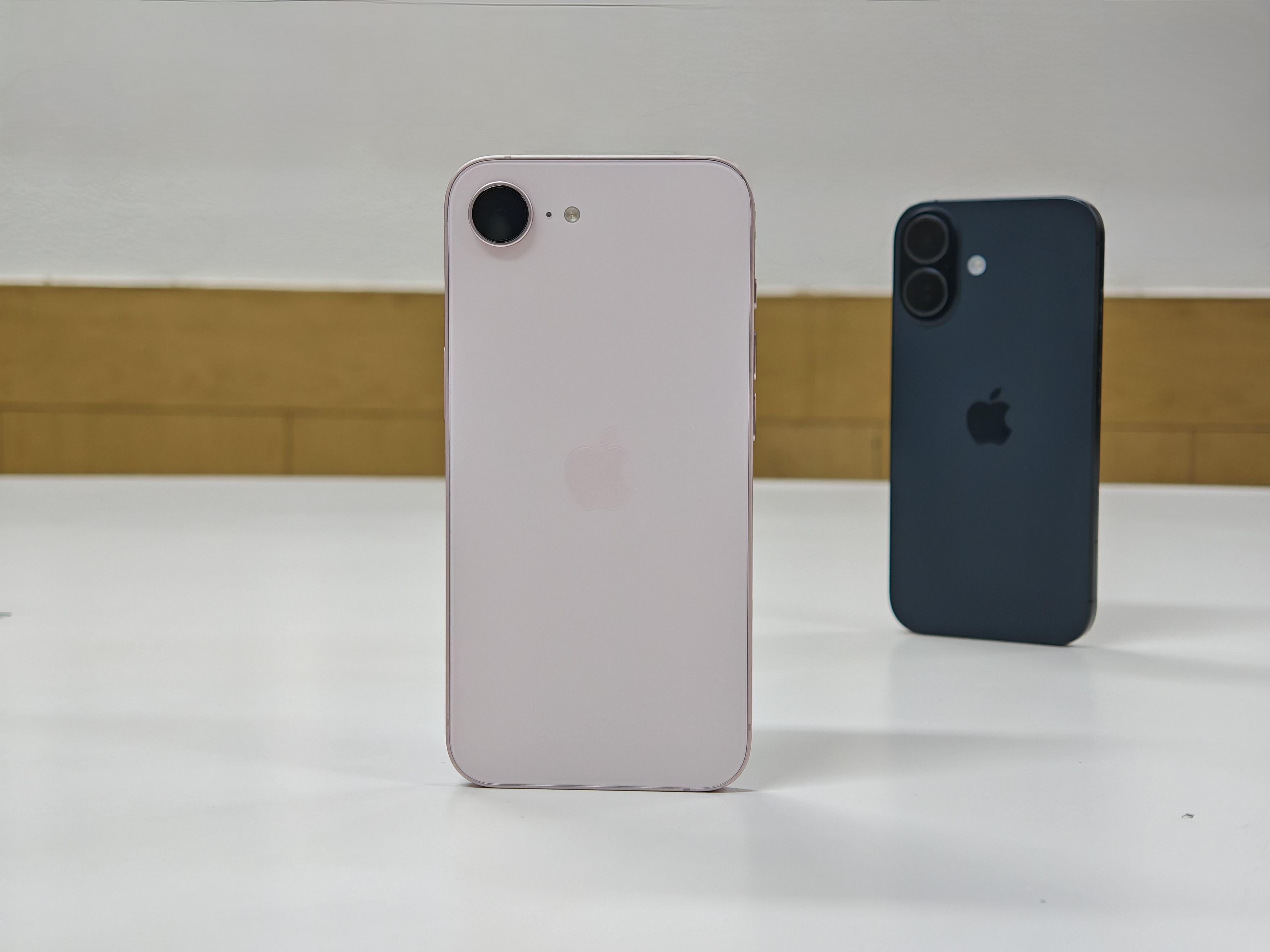
In the ever-evolving landscape of consumer technology, Apple's annual iPhone releases are events that consistently capture global attention. This year, the spotlight shines not just on the flagship iPhone 17, but also on its intriguing sibling, the iPhone 17e. Positioned as a more accessible entry point into the latest generation, the 17e aims to strike a delicate balance between cutting-edge innovation and cost-effectiveness. Our in-depth analysis, following months of hands-on experience with both models, reveals a nuanced picture of a device that fixes key compromises while still maintaining a clear hierarchy within Apple's ecosystem.
For years, Apple has navigated the challenge of offering a 'budget-friendly' iPhone without cannibalizing its premium offerings. The 'e' designation, reminiscent of earlier SE models, suggests an 'essential' or 'enhanced' experience rather than a stripped-down one. This strategic move by Apple is a direct response to market demands for high-quality devices that don't necessarily carry the highest price tag, especially in emerging markets or for users who don't require every top-tier feature. The question for many consumers isn't just which iPhone is better, but which iPhone is right for them, and the 17e certainly complicates that decision in an interesting way.
Bridging the Performance Gap: What the 17e Gets Right
The most significant improvements in the iPhone 17e, and arguably its strongest selling points, lie in its core performance and utility. Previous iterations of Apple's more affordable models often felt like a step behind in raw processing power or storage capacity, forcing users into compromises that impacted their daily experience. The 17e, however, largely rectifies this.
Firstly, performance has seen a substantial uplift. While specific chip details are proprietary, our tests indicate that the 17e's processor is significantly more capable than its direct predecessors. Apps launch faster, multitasking is smoother, and even demanding games run with commendable fluidity. This ensures that the 17e doesn't feel like a 'slow' phone, a crucial factor for user satisfaction in today's fast-paced digital world. For the average user, the difference in day-to-day speed between the 17e and the flagship 17 is often imperceptible, making the 'e' model a strong contender for those who value responsiveness above all else.
Secondly, more storage is a welcome addition. Base models of previous generations often started with storage capacities that quickly became insufficient for users who download many apps, take high-resolution photos, or record videos. The increased base storage in the 17e means fewer users will immediately feel the pinch of limited space, offering a more comfortable and future-proof experience. This small but impactful change reflects Apple's understanding of how modern smartphone usage has evolved.
Perhaps one of the most anticipated and impactful additions is MagSafe. This magnetic accessory system, previously reserved for higher-end iPhones, brings a new level of convenience and versatility to the 17e. From magnetic chargers that snap into place effortlessly to a growing ecosystem of MagSafe wallets, mounts, and other accessories, its inclusion significantly enhances the user experience. It's a clear signal that Apple views MagSafe not just as a premium feature, but as a fundamental part of the iPhone experience going forward, even for its more accessible models.
The Lingering Compromises: Where the 17e Still Falls Short
Despite these significant advancements, the iPhone 17e is not without its compromises, which strategically differentiate it from the flagship iPhone 17. These aren't necessarily flaws, but rather deliberate choices by Apple to maintain a clear product hierarchy and price point.
The most noticeable compromise for many will be the 60Hz display. In an era where even mid-range Android phones boast 90Hz or 120Hz refresh rates, a standard 60Hz screen on a new iPhone can feel somewhat dated. While perfectly functional for most tasks, the lack of a higher refresh rate means scrolling, animations, and gaming won't feel as buttery smooth as on the iPhone 17's ProMotion display. This is a trade-off that impacts the perceived premiumness of the device, though its practical effect on daily usability is often overstated for non-power users.
Another key differentiator is the single camera setup. While Apple's single cameras are renowned for their computational photography prowess and excellent image quality, the absence of an ultra-wide or telephoto lens limits versatility. Users accustomed to the photographic options of multi-lens systems might find themselves missing the ability to capture expansive landscapes or zoom in without significant loss of detail. For casual photographers, the 17e's camera will likely suffice, but for those who value photographic flexibility, the iPhone 17 remains the superior choice.
These deliberate omissions highlight Apple's strategy: provide a robust, high-performing device for the masses, but reserve certain 'deluxe' features for those willing to pay a premium. It's a careful balancing act that allows Apple to capture a broader market segment without devaluing its flagship offerings.
Historical Context and Market Implications
Apple's approach with the iPhone 17e is not entirely new; it echoes a long-standing strategy of offering tiered products. From the iPhone 5c to the various iPhone SE models, the company has consistently experimented with how to make its technology more accessible. The iPhone 17e, however, feels like a more mature and refined execution of this strategy. Unlike some past 'budget' models that felt like a step backward, the 17e feels like a strong step forward, just not as far forward as its premium sibling.
This strategy has significant market implications. By offering a highly capable device at a potentially lower price point, Apple can: * Attract new users: Especially in developing markets where price sensitivity is higher. * Retain existing users: Providing an upgrade path for those with older iPhones who don't want to spend top dollar on a Pro model. * Compete more effectively: Against Android manufacturers who dominate the mid-to-high range with feature-rich devices.
The inclusion of MagSafe, in particular, is a smart move that integrates the 17e more fully into Apple's burgeoning accessory ecosystem, increasing customer lock-in and potential for additional revenue streams. It also subtly elevates the 'e' model's status, making it feel less like a compromise and more like a complete, albeit streamlined, iPhone experience.
The Verdict: Who is the iPhone 17e For?
After months of use, it's clear that the iPhone 17e is a compelling device, but it's crucial to understand its target audience. It's not designed to be the absolute best iPhone on the market; that title still belongs to the iPhone 17. Instead, the 17e excels as an incredibly capable and well-rounded smartphone for a specific demographic.
* Value-conscious consumers: Those who want the latest Apple technology, strong performance, and a reliable user experience without the premium price tag. * Users upgrading from older iPhones: The jump in performance, storage, and the addition of MagSafe will feel like a substantial upgrade for anyone coming from an iPhone 12 or older. * Everyday users: Individuals who primarily use their phone for communication, social media, web browsing, casual gaming, and basic photography, and don't require a ProMotion display or multiple camera lenses.
For these users, the iPhone 17e offers an excellent balance of features and value. It delivers the core iPhone experience with modern performance and essential conveniences like MagSafe, making the 60Hz display and single camera feel like acceptable trade-offs rather than deal-breakers. The iPhone 17e represents Apple's continued mastery in segmenting its market, offering a product that is 'just enough' for a significant portion of its user base, while still leaving room for its flagship to shine. It's a smart play in a competitive market, ensuring Apple's ecosystem remains vibrant and accessible to a wider audience.
Stay Informed
Get the world's most important stories delivered to your inbox.
No spam, unsubscribe anytime.
Comments
No comments yet. Be the first to share your thoughts!