Iran Warns US of 'Rocketing Costs' of Conflict: Economic Fallout Looms for Americans
Iranian Foreign Minister Abbas Araghchi has issued a stark warning, asserting that Americans will soon bear the brunt of the escalating US-Iran conflict through soaring debt costs, mortgage rates, and consumer financial stress. He characterized these economic repercussions as the 'real pain' of what he termed a 'war of choice.' This declaration signals a deepening economic dimension to the long-standing geopolitical tensions between Washington and Tehran, potentially impacting everyday American households.
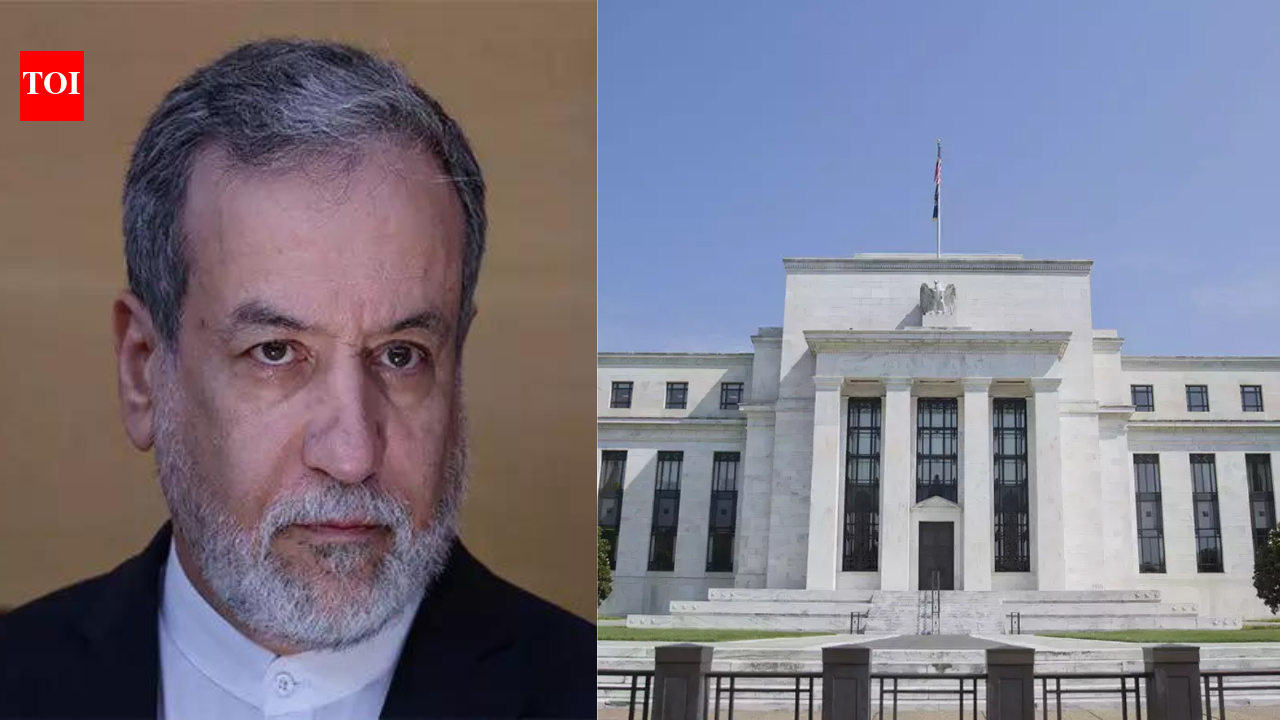
The geopolitical chess match between the United States and Iran has long been a source of regional instability and international concern. However, a recent, pointed warning from Iranian Foreign Minister Abbas Araghchi suggests that the consequences of this escalating rivalry are poised to transcend diplomatic chambers and military maneuvers, landing squarely on the doorsteps of American households. Araghchi's assertion that Americans will soon face the economic fallout of the conflict – specifically citing rising debt costs, mortgage rates, and consumer financial stress – marks a significant shift in rhetoric, framing the conflict not just as a foreign policy challenge but as a direct threat to domestic economic stability.
This declaration, labeling the impending economic hardship as the “real pain” of a “war of choice,” underscores a calculated effort by Tehran to highlight the domestic cost of foreign policy decisions in the U.S. It’s a narrative designed to resonate with an American public already grappling with inflation, interest rate hikes, and economic uncertainties. The implications are profound, suggesting that the intricate dance of international relations in the Middle East could soon manifest as tangible financial burdens for ordinary citizens thousands of miles away.
The Economic Battlefield: Beyond Sanctions
For decades, economic sanctions have been the primary weapon in the U.S. arsenal against Iran, aiming to cripple its economy and compel policy changes. Iran, in turn, has often responded with threats to disrupt global oil supplies or by fostering proxy conflicts. Araghchi's recent statement, however, introduces a new layer to this economic warfare. It moves beyond the direct impact of sanctions on Iran to the indirect, reciprocal economic pressures that U.S. foreign policy could exert on its own citizens. This perspective suggests that sustained military posturing, increased defense spending, and the inherent uncertainty of prolonged conflict contribute to a climate where borrowing costs rise, investment dwindles, and consumer confidence erodes.
Consider the historical context: major conflicts often correlate with increased national debt. The U.S. national debt currently stands at over $34 trillion, a figure that continues to climb. Any significant military engagement or prolonged state of tension, particularly in a volatile region like the Middle East, necessitates substantial financial outlay. This spending, often financed through borrowing, can put upward pressure on interest rates, impacting everything from government bonds to personal mortgages and credit card rates. Araghchi’s warning taps into this fundamental economic principle, suggesting that the cost of maintaining a confrontational stance with Iran is not merely a line item in the defense budget but a pervasive economic force affecting the daily lives of Americans.
Geopolitical Tensions and the Global Economy
The Middle East, with its vast oil reserves and strategic waterways, remains a critical artery of the global economy. Any instability in the region, particularly involving a major player like Iran, sends ripples across international markets. Threats to shipping lanes in the Strait of Hormuz, for instance, can cause oil prices to spike, directly impacting fuel costs for consumers and transportation expenses for businesses. This inflationary pressure, combined with the general uncertainty that deters investment, can slow economic growth and contribute to a more challenging financial environment.
Furthermore, the perception of increased risk can lead investors to demand higher returns on U.S. Treasury bonds, indirectly pushing up interest rates across the board. This phenomenon, often dubbed a 'risk premium,' means that the U.S. government pays more to borrow, a cost ultimately borne by taxpayers. The Iranian foreign minister's comments strategically highlight this interconnectedness, aiming to draw a direct line between U.S. actions abroad and the pocketbook issues faced by its citizens at home. It's a powerful narrative, especially in an election year, that seeks to question the sustainability and wisdom of current foreign policy approaches.
The Domestic Impact: Mortgages, Debt, and Consumer Stress
Araghchi's specific mention of mortgage rates, debt costs, and consumer financial stress is particularly astute. These are tangible, everyday concerns for millions of Americans. When the Federal Reserve raises interest rates to combat inflation or when global instability drives up borrowing costs, the impact is immediate and personal:
* Mortgage Rates: Higher interest rates translate to more expensive home loans, making homeownership less accessible and increasing monthly payments for those with adjustable-rate mortgages. * Debt Costs: Credit card interest rates, car loan rates, and other forms of consumer debt become more burdensome, squeezing household budgets already stretched thin. * Consumer Financial Stress: The cumulative effect of rising costs, stagnant wages, and economic uncertainty leads to increased anxiety and reduced purchasing power, potentially dampening overall economic activity.
This is not merely theoretical. The U.S. has experienced periods where geopolitical events directly influenced domestic economic indicators. The oil shocks of the 1970s, for example, demonstrated how foreign policy and energy markets are inextricably linked to domestic inflation and recession. While the current situation is different, Araghchi's warning serves as a reminder of these historical precedents and the potential for unintended economic consequences arising from prolonged international tensions.
A Call for De-escalation or a Propaganda Tactic?
From Tehran's perspective, Araghchi's statement can be interpreted in several ways. It could be a genuine warning, reflecting Iran's belief that the U.S. is underestimating the economic blowback of its policies. Alternatively, it could be a strategic propaganda tactic aimed at influencing American public opinion and pressuring policymakers to de-escalate. By framing the conflict as a direct threat to American prosperity, Iran seeks to create domestic dissent against U.S. foreign policy, hoping to foster a desire for a less confrontational approach.
Regardless of the underlying motive, the message is clear: the cost of the U.S.-Iran standoff is multifaceted and extends beyond military expenditure. It encompasses the broader economic health of nations. For policymakers in Washington, Araghchi's warning serves as a potent reminder that foreign policy decisions have far-reaching domestic implications, particularly in an interconnected global economy. The challenge lies in balancing national security interests with the economic well-being of their constituents, navigating a path that avoids the very 'rocketing costs' that Tehran now so pointedly predicts.
In conclusion, the Iranian foreign minister's stark warning about the impending economic fallout for Americans underscores a critical dimension of the U.S.-Iran conflict. It transforms a seemingly distant geopolitical struggle into a tangible domestic concern, highlighting the intricate web connecting international tensions, global markets, and the everyday financial realities of ordinary citizens. As the standoff continues, the question remains whether this economic pressure will serve as a catalyst for de-escalation or further entrench the deeply rooted animosity between these two powerful nations, with the American consumer potentially bearing the ultimate cost.
Stay Informed
Get the world's most important stories delivered to your inbox.
No spam, unsubscribe anytime.
Comments
No comments yet. Be the first to share your thoughts!