Iran's Diplomatic Tightrope: Tehran, Washington, and the Shifting Sands of Mideast Peace
Iran's Foreign Minister's recent visit to Russia underscores the complex, often contradictory, diplomatic dance between Tehran and Washington. Despite reported back-channel communications via Pakistan, direct peace talks remain elusive, leaving regional stability hanging in the balance. This article delves into the geopolitical currents shaping these stalled negotiations and their broader implications for the Middle East and global powers.
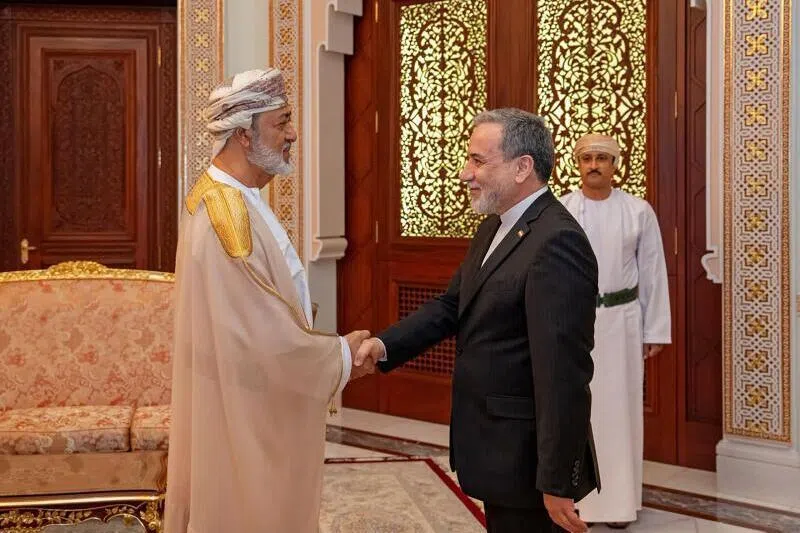
The arrival of Iran’s Foreign Minister, Hossein Amir-Abdollahian, in Moscow on April 27, 2024, signaled more than just a routine bilateral meeting; it illuminated the intricate and often precarious state of diplomatic engagement between Tehran and Washington. This visit, following a period of intense regional diplomacy and the abrupt collapse of planned talks in Pakistan, casts a long shadow over the prospects for de-escalation in a Middle East already fraught with tension. The reported transmission of written messages from Iran to the US via Pakistani mediators suggests a persistent, albeit indirect, line of communication, yet it also highlights the profound chasm that prevents direct dialogue and meaningful progress towards peace.
The Geopolitical Chessboard: Iran, Russia, and the US
Iran’s decision to send its top diplomat to Russia at such a critical juncture is hardly coincidental. Moscow has historically served as a significant, albeit sometimes ambivalent, partner for Tehran, particularly in the face of Western sanctions and diplomatic isolation. The timing of Amir-Abdollahian’s visit suggests a strategic alignment, a seeking of counsel, or perhaps a coordinated front as Iran navigates its complex relationship with the United States. Russia, itself embroiled in geopolitical confrontations, finds common ground with Iran in challenging the unipolar global order and resisting what both perceive as American hegemony. This convergence of interests, however, does not necessarily translate into a unified approach to all regional issues, particularly those that might impact Russia’s own strategic objectives in the Levant or Central Asia.
The United States, for its part, continues to grapple with Iran’s nuclear program, its regional proxy networks, and its human rights record. The Biden administration has repeatedly expressed a desire for a return to the Joint Comprehensive Plan of Action (JCPOA), albeit with modifications, but has also maintained a robust sanctions regime. The indirect nature of communication – relying on intermediaries like Pakistan – underscores the deep-seated mistrust and lack of direct channels that characterize US-Iran relations. This diplomatic impasse is not merely a bilateral issue; it reverberates across the entire Middle East, influencing the dynamics of conflicts in Yemen, Syria, Iraq, and Lebanon, and casting a pall over efforts to foster broader regional stability.
A History of Mistrust and Missed Opportunities
The current stalemate is deeply rooted in decades of animosity, punctuated by moments of tentative engagement that ultimately failed to yield lasting peace. The 1979 Iranian Revolution irrevocably altered the geopolitical landscape, transforming Iran from a key US ally into a staunch adversary. The subsequent hostage crisis, the Iran-Iraq War, and the development of Iran’s nuclear program have all contributed to a cycle of suspicion and confrontation. Each administration in Washington and each leadership in Tehran has inherited this complex legacy, often finding themselves trapped in a reactive posture rather than a proactive one.
Past attempts at rapprochement, most notably the JCPOA in 2015, demonstrated the potential for diplomacy to bridge seemingly insurmountable divides. However, the unilateral withdrawal of the US from the agreement in 2018 under the Trump administration proved to be a catastrophic blow, eroding trust and empowering hardliners on both sides. This historical context is crucial for understanding why even seemingly minor diplomatic overtures, such as written messages via a third party, are viewed with such cautious optimism and why the path to direct talks remains so arduous. The memory of past betrayals and perceived slights weighs heavily on current decision-makers, making any significant concession or trust-building measure a high-stakes political gamble.
Regional Dynamics and the Role of Mediators
The Middle East is a tapestry of interconnected conflicts and alliances, and the US-Iran dynamic is a central thread. Regional powers like Saudi Arabia, the UAE, and Israel closely monitor developments, often adjusting their own foreign policies in response. The recent rapprochement between Saudi Arabia and Iran, brokered by China, offered a glimmer of hope for regional de-escalation, suggesting that even long-standing adversaries could find common ground. However, this progress remains fragile, and the broader US-Iran standoff continues to fuel proxy conflicts and destabilize fragile states.
Pakistan’s role as a mediator is significant. As a Muslim-majority nation with historical ties to both Iran and the US, it possesses a unique vantage point and a degree of trust that few other nations can claim. Its willingness to facilitate communication, even if limited to written messages, underscores the international community’s urgent desire to prevent further escalation. Other potential mediators, such as Oman or Qatar, have also played similar roles in the past, highlighting the critical need for neutral channels when direct communication is impossible. These intermediaries often bear the burden of translating not just words, but also intentions and subtle diplomatic signals, across a vast cultural and political divide.
Implications for Global Security and the Future of Diplomacy
The stalled peace efforts between Iran and the US carry profound implications for global security. A nuclear-armed Iran remains a primary concern for the international community, and the absence of a robust diplomatic framework increases the risk of proliferation. Furthermore, continued tensions fuel regional instability, creating fertile ground for extremism and humanitarian crises. The Red Sea shipping disruptions, for instance, are a direct consequence of escalating regional proxy conflicts, underscoring how local disputes can quickly have global economic ramifications.
The current situation also serves as a stark reminder of the challenges facing contemporary diplomacy. In an increasingly multipolar world, the traditional models of negotiation and conflict resolution are being tested. The rise of non-state actors, the pervasive influence of social media, and the erosion of trust between major powers complicate efforts to forge consensus and build lasting peace. The international community, including the UN and various regional blocs, must redouble its efforts to facilitate dialogue, explore creative solutions, and provide incentives for de-escalation. Without sustained diplomatic pressure and genuine commitment from all parties, the Middle East risks spiraling into further instability, with far-reaching consequences for global peace and prosperity.
In conclusion, while the arrival of Iran’s Foreign Minister in Russia and the reported back-channel communications offer faint glimmers of hope, the path to peace between Tehran and Washington remains fraught with obstacles. Decades of mistrust, conflicting strategic interests, and the complex interplay of regional dynamics continue to impede direct dialogue. The international community, through persistent mediation and a renewed commitment to multilateralism, must work tirelessly to transform these tentative overtures into substantive negotiations, lest the region descend further into an unpredictable and dangerous future. The stakes are too high to allow this diplomatic tightrope walk to end in a fall.
Stay Informed
Get the world's most important stories delivered to your inbox.
No spam, unsubscribe anytime.
Comments
No comments yet. Be the first to share your thoughts!