Kagame Challenges Global Order: Africa Must Unite or Face Continued Exploitation
Rwandan President Paul Kagame has issued a stark warning to African leaders, urging them to unite and assert their interests against a global economic order he deems exploitative. Speaking at the Africa CEO Forum, Kagame emphasized that the continent's vast resources and growing population make it a prime target for continued external manipulation unless it takes collective action. His remarks underscore a growing sentiment among African nations for greater self-determination and a fairer share in global prosperity.
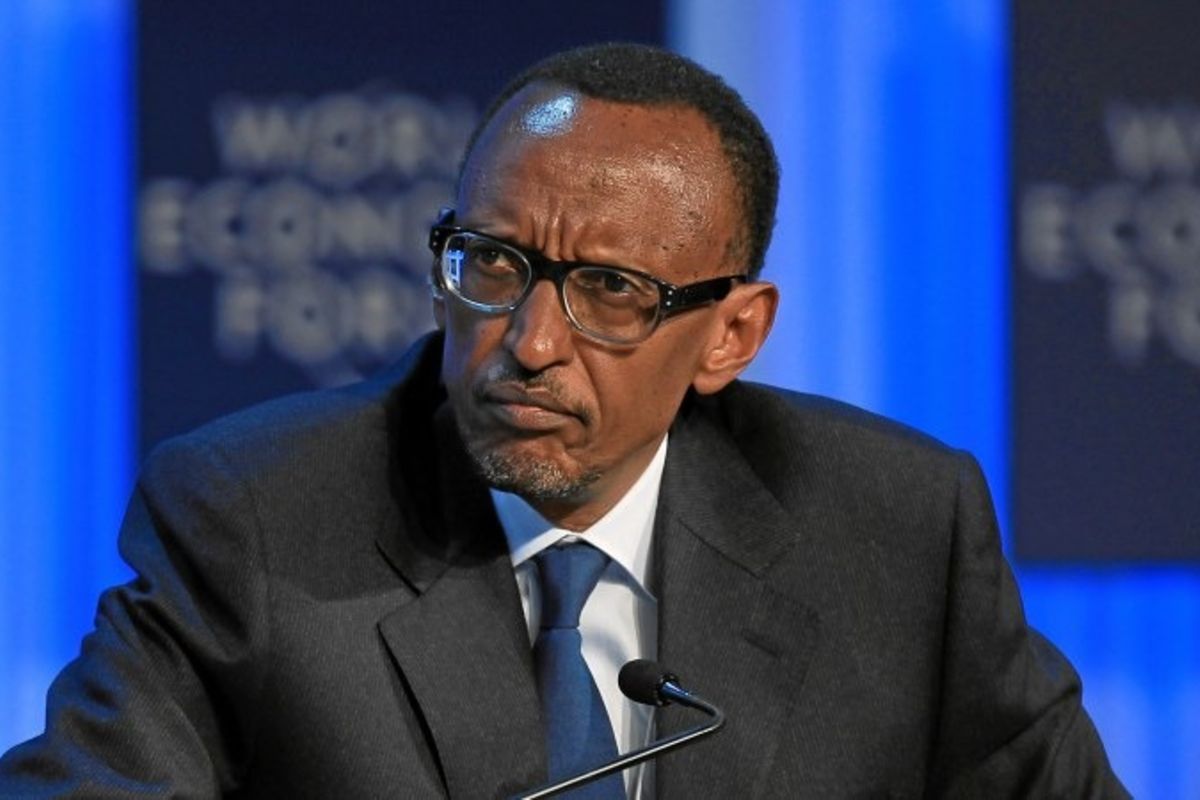
In a powerful address that resonated across the continent and beyond, Rwanda’s President, Paul Kagame, delivered a scathing critique of the current global economic order, warning that Africa stands at a critical juncture. During a fireside chat at the prestigious Africa CEO Forum in Kigali, Kagame asserted that the continent risks perpetual exploitation unless its nations forge an unbreakable unity and decisively assert their collective interests on the world stage. His words were not merely a lament but a clarion call for a fundamental shift in how Africa engages with global powers.
The Scars of Exploitation: A Historical Perspective
Kagame’s warning is deeply rooted in Africa's long and often painful history of external intervention and resource extraction. From the transatlantic slave trade that forcibly removed millions, to the brutal scramble for Africa in the late 19th century that carved up the continent into colonial possessions, and the subsequent neocolonial practices that perpetuated economic dependency, Africa has consistently been on the receiving end of global power dynamics. The continent, rich in minerals, agricultural land, and human potential, has frequently seen its wealth flow outwards, leaving behind underdevelopment, conflict, and instability. This historical context forms the bedrock of Kagame's argument: past patterns of exploitation are not merely historical footnotes but continue to manifest in contemporary global trade agreements, investment practices, and political maneuvering.
Today, Africa remains a vital source of raw materials for industrialized nations, yet often struggles to industrialize itself or add significant value to its own resources. The terms of trade frequently favor developed economies, and African nations often find themselves competing against each other for foreign investment, inadvertently weakening their collective bargaining power. Kagame's message is a direct challenge to this status quo, advocating for a continent that speaks with one voice and acts with a unified purpose.
The Imperative of Unity: A Path to Self-Determination
The Rwandan President stressed that African unity is not merely an idealistic aspiration but an economic and political necessity for survival and prosperity. He argued that fragmented approaches to global challenges only serve to perpetuate Africa's vulnerability. "When we are divided, we are easily played against each other," Kagame reportedly stated, echoing sentiments he has expressed repeatedly over his tenure. This division allows external actors to dictate terms, exploit rivalries, and secure advantageous deals that often come at Africa's expense.
Unity, in Kagame's vision, encompasses several key dimensions: * Economic Integration: Strengthening regional trade blocs like the African Continental Free Trade Area (AfCFTA) to create a single, powerful market that can negotiate more effectively with external partners. * Political Cohesion: Presenting a united front in international forums, advocating for shared African interests, and resisting attempts to divide the continent along geopolitical lines. * Resource Management: Developing common strategies for managing Africa's vast natural resources, ensuring that the benefits accrue to African citizens rather than being siphoned off by foreign entities. * Security Cooperation: Collaborating on regional security challenges to foster stability, which is a prerequisite for economic development.
The African Continental Free Trade Area (AfCFTA), launched in 2018, represents a monumental step towards this vision of unity. If fully implemented, it could create a market of 1.3 billion people with a combined GDP of $3.4 trillion, potentially lifting millions out of poverty and significantly boosting intra-African trade. Kagame's call reinforces the urgency of making this ambitious project a tangible reality.
Challenging the Global Economic Order: A Call for Fairness
Kagame’s criticism extends beyond mere exploitation to the very architecture of the global economic order. He implied that institutions and rules designed decades ago often do not serve the interests of developing nations, particularly those in Africa. This sentiment resonates with broader calls for reform of multilateral institutions like the World Bank, the International Monetary Fund (IMF), and the United Nations, where Africa often feels underrepresented and marginalized.
His remarks suggest that the current system perpetuates inequalities, making it difficult for African nations to compete fairly or escape cycles of debt and dependency. For instance, many African countries still face significant barriers to exporting processed goods to developed markets, while simultaneously being pressured to import finished products. This dynamic stifles local industrialization and job creation. Kagame's vision is one where Africa is not just a recipient of aid or a source of raw materials, but an equal partner in shaping global economic policies and benefiting equitably from global trade.
Implications for Africa and the World
President Kagame’s powerful message carries significant implications for both Africa and the international community. For African nations, it serves as a potent reminder of the need for collective action, self-reliance, and strategic foresight. It challenges leaders to look beyond immediate national interests and embrace a broader pan-African vision. The success of this vision hinges on overcoming historical rivalries, strengthening democratic institutions, and investing in human capital and infrastructure.
For global powers, Kagame’s warning is a signal that the era of unchallenged dominance and unilateral decision-making regarding Africa is drawing to a close. As Africa's population continues to grow – projected to reach 2.5 billion by 2050 – and its economic potential becomes undeniable, the continent's voice will become increasingly difficult to ignore. Nations and corporations seeking to engage with Africa will need to adapt to a new paradigm of partnership based on mutual respect and shared benefits, rather than exploitative practices.
Ultimately, Kagame's address at the Africa CEO Forum was more than just a speech; it was a strategic declaration. It highlighted the urgent need for Africa to define its own destiny, to leverage its collective strength, and to demand a just and equitable position in the global arena. The path forward is fraught with challenges, but the message is clear: Africa's future, free from exploitation, lies in its own hands, united and resolute.
Stay Informed
Get the world's most important stories delivered to your inbox.
No spam, unsubscribe anytime.
Comments
No comments yet. Be the first to share your thoughts!