Kevin Warsh Confirmed to Federal Reserve Board: What It Means for Monetary Policy and the Future of Finance
The U.S. Senate has confirmed Kevin Warsh to a 14-year term on the Federal Reserve Board, a pivotal move with significant implications for the nation's monetary policy and financial landscape. This confirmation, alongside the impending vote for Fed chair, signals a potential shift in the central bank's direction. Experts are scrutinizing Warsh's past stances and future influence on interest rates, inflation, and the broader economy, especially concerning emerging financial technologies.
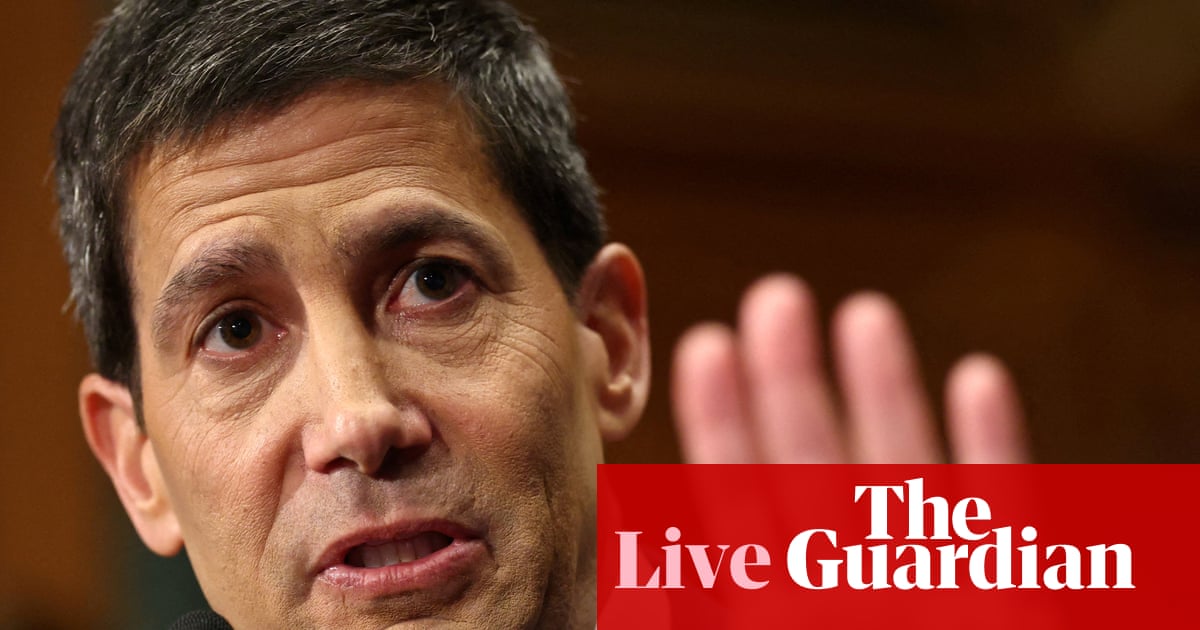
In a move that sends ripples through financial markets and policy circles, the U.S. Senate has officially confirmed Kevin Warsh to a 14-year term as a governor on the Federal Reserve Board. This decision, a critical step in shaping the future of American monetary policy, comes amidst intense speculation regarding the next Federal Reserve Chair, with a vote on that pivotal position expected as early as Wednesday. Warsh's appointment is not merely a procedural formality; it represents a potential inflection point for an institution whose decisions reverberate globally, influencing everything from interest rates and inflation to employment and investment strategies. As the financial world grapples with evolving economic paradigms, including the rise of digital currencies and new regulatory challenges, the composition of the Fed's leadership takes on heightened importance.
A Veteran's Return: Warsh's Background and Philosophy
Kevin Warsh is no stranger to the corridors of power at the Federal Reserve. He previously served as a Fed governor from 2006 to 2011, a period marked by the tumultuous Global Financial Crisis. During his prior tenure, Warsh was a key advisor to then-Chairman Ben Bernanke and played a significant role in the Fed's response to the crisis, including the implementation of quantitative easing (QE) programs. His experience during such a critical juncture provides him with a deep understanding of both the efficacy and limitations of monetary policy tools in times of extreme economic stress. Before his first stint at the Fed, Warsh held positions in the George W. Bush administration, serving as Special Assistant to the President for Economic Policy and Executive Secretary of the National Economic Council. This blend of executive and central banking experience positions him as a formidable voice on the Board.
Warsh's economic philosophy is often characterized by a more hawkish stance on inflation and a preference for rules-based monetary policy. He has, in the past, expressed concerns about the potential for the Fed's expansive balance sheet to fuel future inflationary pressures and has advocated for a more predictable and transparent approach to setting interest rates. This perspective contrasts sharply with some of the more dovish tendencies that have prevailed at the Fed in recent years, suggesting that his presence could introduce a more conservative tilt to policy discussions. His return to the Fed is seen by many as a potential signal of a shift towards a more normalized monetary policy, emphasizing fiscal discipline and a gradual unwinding of the extraordinary measures undertaken during and after the 2008 crisis.
Implications for Monetary Policy and the Economy
Warsh's confirmation carries substantial implications for the direction of U.S. monetary policy. With the economy showing signs of robust growth and inflation ticking up, the Fed is at a critical juncture regarding its interest rate path. A more hawkish voice like Warsh's could strengthen the argument for a faster pace of interest rate hikes and a more aggressive reduction of the Fed's balance sheet. This could, in turn, impact various sectors:
* Borrowing Costs: Higher interest rates would mean increased borrowing costs for consumers and businesses, potentially slowing down credit-fueled spending and investment. * Equity Markets: Stock markets often react sensitively to expectations of interest rate changes. A more aggressive tightening cycle could lead to increased volatility or a re-evaluation of asset prices. * Inflation Control: Warsh's focus on inflation control aligns with the Fed's dual mandate, but his approach might prioritize price stability more heavily relative to full employment, especially if he perceives inflation risks as elevated. * Dollar Strength: A more hawkish Fed stance could lead to a stronger U.S. dollar, impacting international trade and commodity prices.
His views on financial regulation are also noteworthy. Having witnessed the 2008 crisis firsthand, Warsh has a nuanced perspective on the balance between fostering innovation and ensuring financial stability. While generally supportive of market-based solutions, he is also keenly aware of systemic risks. His influence could be significant in ongoing debates about the future of banking regulation, particularly as new technologies challenge traditional financial structures.
The Crypto Conundrum: Navigating Digital Assets
While the primary focus of a Fed governor is traditional monetary policy, the broader financial landscape is rapidly evolving, with cryptocurrencies and blockchain technology emerging as significant disruptors. Although the source material does not explicitly detail Warsh's stance on crypto, his background as a forward-thinking economist and his involvement in discussions about financial innovation suggest he will be a key voice in the Fed's approach to digital assets. The Federal Reserve has been increasingly engaged in exploring the implications of digital currencies, from their potential impact on financial stability to the feasibility of a central bank digital currency (CBDC).
Warsh's perspective, likely rooted in a desire for market efficiency combined with regulatory prudence, could shape the Fed's evolving framework for digital assets. For instance, he might advocate for clear regulatory guidelines that foster innovation while mitigating risks associated with market volatility, illicit finance, and consumer protection. His influence could be crucial in determining whether the U.S. adopts a more permissive or restrictive stance towards crypto, potentially impacting the growth and integration of digital assets into the mainstream financial system. The Fed's eventual policy on stablecoins, DeFi, and other crypto innovations will have profound consequences for the nascent industry, and Warsh's input will undoubtedly be a factor.
The Road Ahead: A New Era for the Fed?
Kevin Warsh's confirmation marks a significant moment for the Federal Reserve. His return brings a wealth of experience and a distinct economic philosophy that could reshape the central bank's approach to monetary policy, financial regulation, and emerging technologies. As the vote for the next Fed Chair looms, Warsh's presence on the Board ensures that discussions will be robust and diverse, reflecting a range of views on the best path forward for the U.S. economy.
The coming months will reveal the full extent of his influence, particularly as the Fed navigates the delicate balance between managing inflation, fostering sustainable growth, and adapting to a rapidly changing financial world. Investors, policymakers, and the public alike will be watching closely to see how Warsh's insights contribute to the Fed's decisions, especially concerning the future of interest rates and the integration of digital finance into the global economic fabric. His appointment underscores the critical importance of strong, experienced leadership at the Fed during a period of unprecedented economic and technological transformation.
Stay Informed
Get the world's most important stories delivered to your inbox.
No spam, unsubscribe anytime.
Comments
No comments yet. Be the first to share your thoughts!