Kremlin's Shadow Over Baltics: EW Deployment Near Narva Sparks Escalation Fears
The deployment of Russian electronic warfare systems near Narva, Estonia, combined with Moscow's accusations regarding Ukrainian drone use of Baltic airspace, has raised alarms among military analysts. Experts suggest these actions could be a precursor to planned escalation against NATO's eastern flank, testing the alliance's resolve and potentially creating pretexts for further aggression.
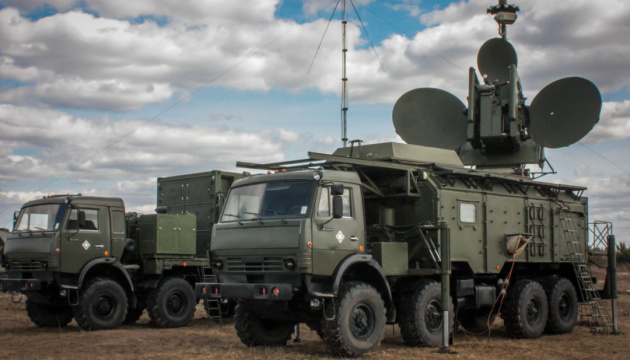
The strategic deployment of Russian electronic warfare (EW) systems near the Estonian border city of Narva is sending shivers down the spines of military strategists and policymakers across Europe. Coupled with recent, unsubstantiated claims from Moscow alleging that Ukrainian drones are utilizing Baltic airspace for attacks, this development is being interpreted by some as a potential harbinger of escalating tensions in the region.
Ivan Stupak, a former officer of the Security Service of Ukraine (SSU) and a respected military expert, articulated these concerns in an interview with Ukrinform. Stupak highlighted that Russia's narrative – accusing Baltic states of facilitating Ukrainian drone operations – could be a carefully constructed pretext for future aggressive actions. "The Russian side is well aware of the flight routes used by Ukrainian drones heading toward Saint Petersburg, and these routes do not involve Baltic airspace," Stupak noted, dismissing the claims as disingenuous.
This pattern of fabricating justifications for military maneuvers is not new to the Kremlin's playbook. Historically, Russia has often laid groundwork for interventions by alleging threats or provocations from neighboring states. The current rhetoric, therefore, is seen as particularly ominous, especially given the proximity of the EW systems to a NATO member's border.
Electronic warfare capabilities are crucial in modern conflict, allowing for the jamming of communications, navigation, and surveillance systems. The deployment of such advanced assets near Narva, a city with a significant Russian-speaking population and a historical flashpoint, could serve multiple purposes. It might be intended to disrupt NATO's intelligence gathering, test the alliance's response mechanisms, or even prepare for a more direct, localized intervention under the guise of protecting Russian-speaking populations or retaliating for alleged drone activity.
The Baltic states – Estonia, Latvia, and Lithuania – have long been acutely aware of their precarious geopolitical position, bordering Russia and sharing a history of Soviet occupation. Their rapid integration into NATO and the European Union was driven by a desire for collective security against potential Russian aggression. The current situation, however, underscores the persistent threat and the need for constant vigilance.
NATO's Article 5, which stipulates that an attack on one member is an attack on all, is the cornerstone of the alliance's deterrence strategy. Any Russian move against a Baltic state would automatically trigger a collective response, potentially leading to a direct confrontation between Russia and NATO. This is precisely why Moscow's current actions are being scrutinized with such intensity – they represent a dangerous probing of NATO's red lines.
Analysts suggest that Russia might be testing the West's resolve, particularly as global attention remains heavily focused on the ongoing conflict in Ukraine. By creating a new front of potential instability, Russia could aim to fragment Western unity, divert resources, or simply gauge the speed and strength of NATO's reaction. The international community, therefore, must remain united and firm in its condemnation of such provocative actions, reinforcing the message that any aggression against a NATO member will be met with an unequivocal and robust response.