Lebanon's Deadly Escalation: Paramedics Among 13 Killed in Israeli Strikes Amid Ceasefire Collapse
Recent Israeli airstrikes in southern Lebanon have claimed at least 13 lives, including two paramedics on a rescue mission, according to Lebanese authorities. This tragic escalation underscores the fragile state of the region, where a supposed ceasefire has failed to halt the conflict between Israel and Hezbollah. The attacks highlight the devastating human cost and the increasing risk of a wider regional conflagration, drawing international concern.
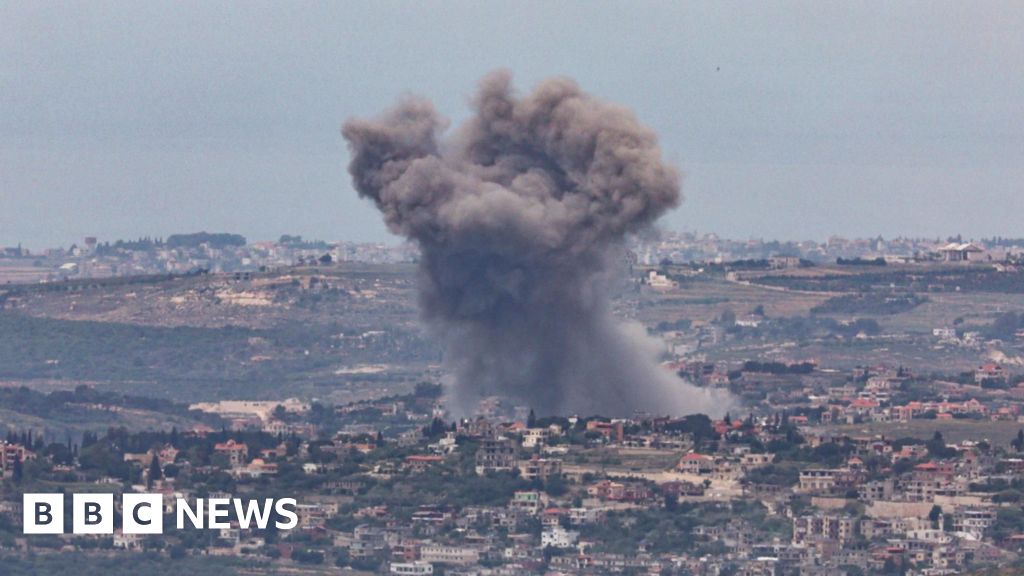
The fragile peace along the Israel-Lebanon border has shattered once more, plunging the region into a fresh wave of violence that claimed at least 13 lives in southern Lebanon. Among the casualties, in a chilling testament to the indiscriminate nature of modern conflict, were two paramedics, reportedly targeted while on a critical rescue mission in Nabatieh. This latest escalation, confirmed by Lebanese state media and the health ministry, paints a grim picture of a ceasefire that has utterly failed to stem the tide of hostilities between Israel and the powerful Lebanese armed group Hezbollah.
Overnight, a series of Israeli air strikes reportedly killed six people and injured seven others in Nabatieh, a city already reeling from earlier attacks. It was in the chaotic aftermath of these initial strikes that the two paramedics, identified as members of the Islamic Health Committee, a group affiliated with Hezbollah, were reportedly struck down. Their deaths, while attempting to aid the wounded, underscore the profound dangers faced by humanitarian workers in conflict zones and serve as a stark reminder of the civilian toll in this protracted regional struggle. The incident has ignited widespread condemnation and amplified calls for immediate de-escalation from international bodies.
A Ceasefire in Tatters: The Illusion of Peace
The notion of a ceasefire between Israel and Hezbollah has, for months, been more aspirational than actual. While a formal, comprehensive agreement has remained elusive, periods of relative calm have been punctuated by intense exchanges of fire, often triggered by events in Gaza or specific retaliatory actions. This latest surge in violence, however, appears to mark a significant breach, with a higher casualty count and the targeting of non-combatants, including medical personnel. The Lebanese government has vehemently condemned the strikes, calling them a violation of international law and a direct attack on its sovereignty. Hezbollah, in turn, has vowed a strong response, signaling a dangerous cycle of retaliation that threatens to spiral out of control. The conflict along the Blue Line, the demarcation line between Lebanon and Israel, has seen over 200 Hezbollah fighters and dozens of civilians killed on the Lebanese side since October 7, 2023, while Israel has reported casualties among its soldiers and civilians from Hezbollah rockets.
This ongoing low-intensity conflict is deeply intertwined with the broader Israeli-Palestinian conflict. Hezbollah, a powerful political party and militant group in Lebanon, views itself as a vanguard against Israeli aggression and a supporter of Palestinian rights. Its actions are often framed within the context of solidarity with Gaza and a broader resistance axis against Israel, backed by Iran. This ideological stance ensures that as long as the conflict in Gaza persists, the northern front with Lebanon will remain volatile, making a true ceasefire incredibly difficult to achieve or maintain.
The Human Cost: Beyond the Headlines
Beyond the geopolitical machinations and military strategies, the most profound impact of this conflict is felt by ordinary civilians. The deaths of the 13 individuals, including the two paramedics, are not mere statistics; they represent families torn apart, communities traumatized, and futures irrevocably altered. In Nabatieh, a city of historical significance and vibrant culture, residents now live under the constant shadow of fear. Schools have been disrupted, businesses shuttered, and agricultural lands, the lifeline for many, lie fallow due to the proximity of conflict zones. The displacement crisis in southern Lebanon is also escalating, with tens of thousands forced to abandon their homes, seeking refuge further north, often in overcrowded and under-resourced conditions.
* Displacement: Over 90,000 Lebanese civilians have been displaced from border towns since October 2023. * Infrastructure Damage: Homes, roads, and agricultural infrastructure have sustained significant damage from repeated strikes. * Psychological Trauma: Children and adults alike are experiencing severe psychological distress, including PTSD, anxiety, and depression, due to constant exposure to violence. * Healthcare Strain: The healthcare system, already fragile, is under immense pressure, exacerbated by attacks on medical personnel and facilities.
The targeting of paramedics, specifically, sends a chilling message. It undermines the universally accepted principles of humanitarian law, which mandate the protection of medical personnel and facilities in all circumstances. Such acts not only deprive the injured of critical care but also instill fear among those dedicated to saving lives, potentially deterring future rescue efforts and exacerbating the humanitarian crisis.
Regional Implications and International Response
The escalating violence along the Israel-Lebanon border carries grave regional implications. A full-scale war between Israel and Hezbollah would be catastrophic, far exceeding the intensity and destruction of previous conflicts. Hezbollah possesses a vast arsenal of rockets and missiles, capable of reaching deep into Israel, while Israel's military might is formidable. Such a conflict would inevitably draw in other regional actors, potentially destabilizing the entire Middle East. Iran, a key patron of Hezbollah, would likely increase its support, further entangling the conflict in broader proxy rivalries.
International bodies and major powers have consistently called for restraint and de-escalation. The United Nations Interim Force in Lebanon (UNIFIL) plays a crucial role in monitoring the Blue Line, but its mandate and resources are often stretched thin in the face of persistent hostilities. Diplomats from the United States, France, and other nations have been engaged in intense shuttle diplomacy, attempting to broker a more durable ceasefire and prevent a wider war. However, these efforts are continuously undermined by the cycle of violence and the deep-seated animosities that fuel the conflict.
Recent statements from the UN Secretary-General have expressed deep alarm over the deteriorating situation, emphasizing the urgent need for all parties to adhere to Resolution 1701, which ended the 2006 Israel-Hezbollah war and calls for a full cessation of hostilities. Yet, without genuine political will from both sides, and a resolution to the underlying causes of the conflict, these diplomatic appeals often fall on deaf ears.
The Path Forward: A Precarious Future
The immediate future for southern Lebanon and the wider region remains precarious. The current trajectory points towards further escalation unless significant diplomatic breakthroughs are achieved. A lasting resolution would require not only a cessation of hostilities but also a comprehensive agreement addressing the root causes of the conflict, including border disputes, the status of Palestinian refugees, and the broader regional power dynamics. For now, the focus remains on preventing a full-blown war, a task made increasingly difficult by each new casualty and every act of retaliation.
The international community must intensify its efforts, moving beyond mere condemnations to concrete actions that can enforce a ceasefire and protect civilians. This includes strengthening UNIFIL's mandate, providing robust humanitarian aid, and facilitating genuine dialogue between all stakeholders. The deaths of the paramedics in Nabatieh are a tragic reminder that in this conflict, the lines between combatant and civilian, and between war and peace, are dangerously blurred, and the cost is paid in innocent lives. The world watches with bated breath, hoping that reason will prevail before the region is consumed by an even greater catastrophe.
Stay Informed
Get the world's most important stories delivered to your inbox.
No spam, unsubscribe anytime.
Comments
No comments yet. Be the first to share your thoughts!