Morocco's Bold Vision: Building Africa's Benchmark Healthcare System Through Massive Investment
Morocco is embarking on an ambitious journey to transform its healthcare system, aiming to establish an African benchmark. This comprehensive reform involves significant public investment, advanced digitalization, and a strong focus on universal health coverage. The initiative seeks to address historical disparities and position Morocco as a leader in regional health innovation and equity.
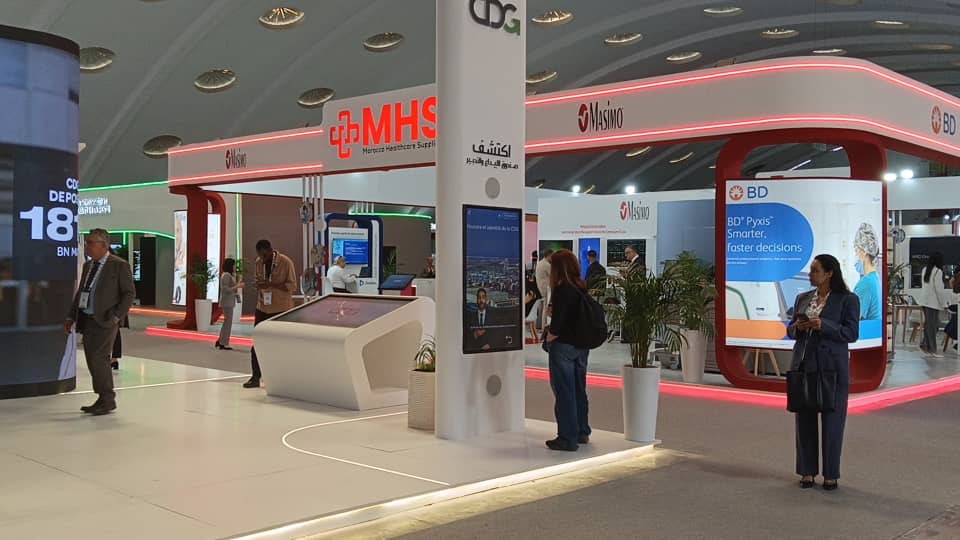
In a bold move poised to reshape its national landscape and influence the broader African continent, the Kingdom of Morocco has launched an ambitious program to fundamentally revolutionize its healthcare system. This transformative agenda, driven by substantial public investments, cutting-edge digitalization, and an unwavering commitment to universal health coverage, aims to establish Morocco as a benchmark for healthcare excellence across Africa. This is not merely an upgrade; it's a strategic pivot towards a more equitable, efficient, and technologically advanced health infrastructure designed to serve all its citizens and potentially inspire similar reforms regionally.
A New Era of Health Investment and Reform
The Moroccan government's commitment is evident in the staggering financial allocations. Over the past three years, the healthcare sector has seen an unprecedented MAD 12 billion (approximately USD 1.2 billion) injected into its development. This capital infusion is earmarked for critical areas, including the construction and equipping of new hospitals, the modernization of existing facilities, and the integration of advanced medical technologies. The objective is clear: to ensure that every Moroccan, regardless of their socioeconomic status or geographic location, has access to quality medical care. This investment surge is part of a broader national strategy that recognizes health as a fundamental human right and a cornerstone of sustainable development. The reforms extend beyond infrastructure, encompassing human resource development, with significant efforts to train and retain medical professionals, as well as the implementation of robust governance frameworks to ensure transparency and accountability.
Universal Health Coverage: The Cornerstone of Equity
At the heart of Morocco's healthcare revolution is the unwavering commitment to universal health coverage (UHC). This principle, enshrined in the nation's new social protection framework, seeks to dismantle the historical barriers that have prevented large segments of the population from accessing essential medical services. Previously, a significant portion of the population, particularly those in informal sectors or rural areas, lacked adequate health insurance. The new system aims to integrate these individuals, ensuring that financial constraints do not dictate access to life-saving treatments or preventative care. This monumental shift involves expanding social security coverage, streamlining administrative processes, and subsidizing care for the most vulnerable. The goal is to achieve a system where health services are a right, not a privilege, fostering a healthier and more productive populace. This move aligns Morocco with global health objectives, particularly the Sustainable Development Goals (SDGs) target 3.8, which calls for achieving UHC.
Digital Transformation: The Future of Moroccan Healthcare
Recognizing the pivotal role of technology in modern healthcare, Morocco is aggressively pursuing a digital transformation strategy. This includes the implementation of electronic health records (EHRs), telemedicine platforms, and advanced data analytics systems. The digitalization effort is designed to enhance efficiency, reduce administrative burdens, and improve the quality of care. Telemedicine, in particular, holds immense promise for bridging the gap between urban medical centers and remote rural communities, allowing specialists to consult with patients hundreds of kilometers away. Moreover, the use of big data will enable public health officials to identify disease patterns, optimize resource allocation, and implement targeted interventions more effectively. The aim is to create a seamless, integrated digital ecosystem that connects patients, providers, and policymakers, facilitating better decision-making and personalized care. This technological leap is crucial for a country aiming to lead in regional health innovation.
Decentralization and Regional Equity
The Moroccan healthcare reform also places a strong emphasis on decentralization. Historically, healthcare resources and specialized services were concentrated in major urban centers, leaving rural and remote areas underserved. The new strategy seeks to redress this imbalance by empowering regional health authorities, allocating resources more equitably, and developing robust primary healthcare networks across all provinces. This involves building new regional hospitals, upgrading local health centers, and deploying medical personnel to underserved areas. The objective is to bring quality healthcare closer to the people, reducing the need for long and often costly journeys to urban hospitals. This localized approach is critical for addressing the unique health challenges faced by different regions and ensuring that the benefits of the national reform are felt uniformly across the country. The decentralization also fosters greater community participation in health planning and delivery.
Challenges and the Path Forward
While Morocco's vision is ambitious and commendable, the path to achieving a world-class healthcare system is not without its challenges. Human resource development remains a critical area, requiring sustained investment in medical education, training, and retention strategies to address potential shortages of doctors, nurses, and specialized technicians. Attracting and retaining talent in rural areas, in particular, will require innovative incentive programs. Furthermore, the successful implementation of digital systems necessitates significant investment in IT infrastructure and training for healthcare professionals to adapt to new technologies. Ensuring the long-term financial sustainability of universal health coverage will also require careful planning and robust economic growth. However, the government's strong political will, coupled with strategic partnerships and a clear roadmap, positions Morocco favorably to overcome these hurdles. The ongoing reforms are a testament to a nation committed to the well-being of its people and aspiring to set a new standard for healthcare development in Africa.
Morocco's journey to establish an African benchmark healthcare system is a testament to its forward-thinking leadership and commitment to social progress. By combining massive financial investment, technological innovation, and a profound dedication to equity, the Kingdom is not only transforming its own health landscape but also laying down a blueprint for other African nations. This comprehensive approach, addressing infrastructure, human capital, digital integration, and universal access, promises a healthier future for all Moroccans and solidifies the nation's role as a regional leader in health and development.
Stay Informed
Get the world's most important stories delivered to your inbox.
No spam, unsubscribe anytime.
Comments
No comments yet. Be the first to share your thoughts!