Mother's Day: Unveiling the Unseen Sacrifice and Enduring Legacy of Maternal Love
Mother's Day often masks a deeper, uncomfortable truth: our tendency to take maternal love for granted. This article explores how societies frequently mistake a mother's enduring presence for permanence and her profound sacrifices for mere duty. We delve into the psychological, cultural, and historical dimensions of this oversight, urging a more conscious appreciation. Discover why recognizing the extraordinary nature of a mother's devotion, before it's too late, is crucial for individuals and communities alike.
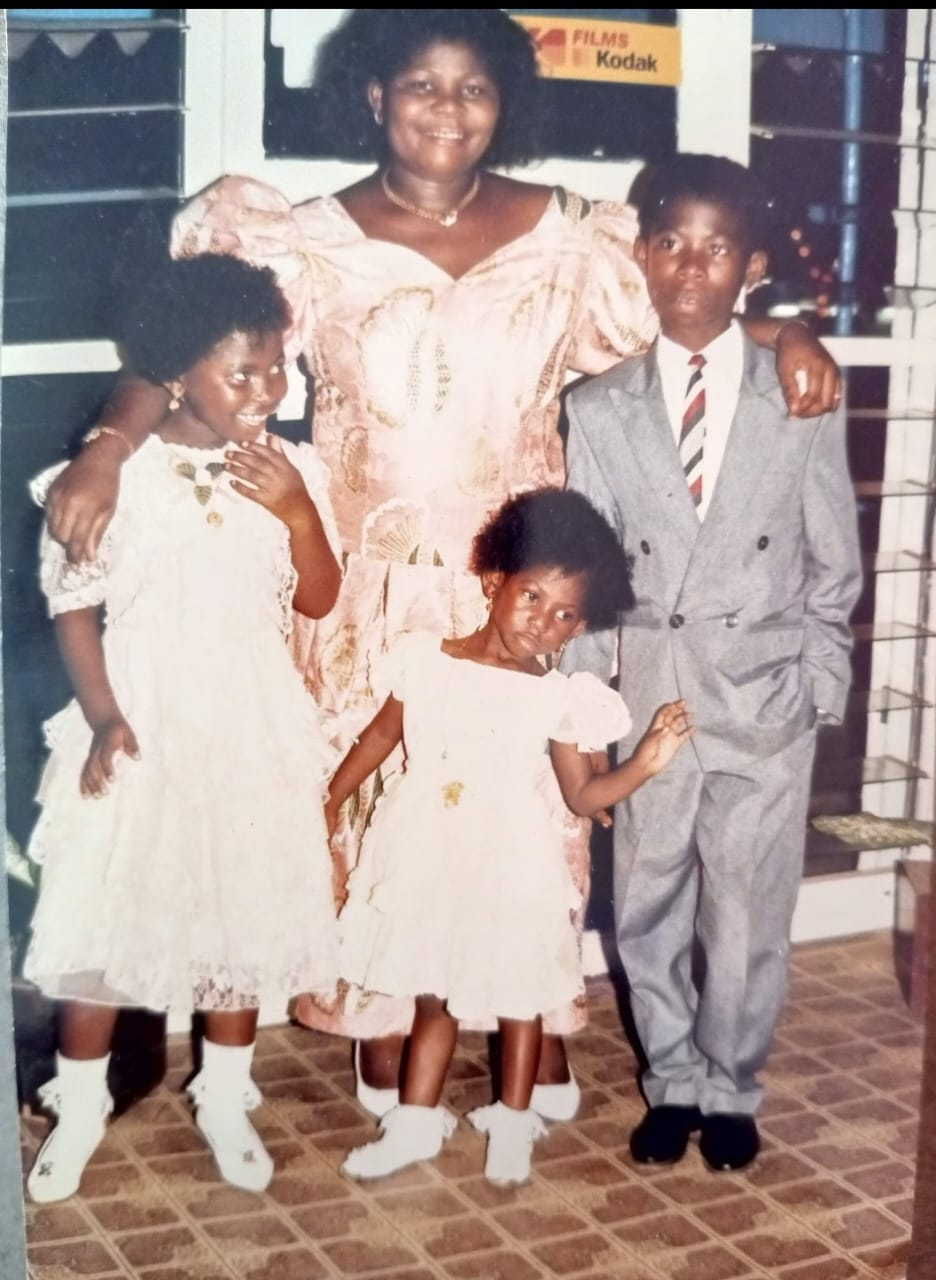
Every year, as Mother’s Day approaches, a familiar ritual unfolds. Flowers are bought, cards are signed, and social media feeds overflow with heartfelt tributes. Yet, beneath this joyous veneer, a quiet, uncomfortable truth often resides: the profound tendency to mistake a mother’s enduring presence for permanence, her resilience for invincibility, and her boundless giving for mere obligation. We treat an extraordinary devotion as something ordinary, simply because it appears inexhaustible. This oversight, deeply ingrained in our collective psyche, is not just a personal failing but a societal pattern with significant implications for how we value care, sacrifice, and the very foundations of human connection.
The Illusion of Permanence and Invincibility
From the moment of our birth, and often long before, a mother's role is one of constant giving. She is the first caregiver, teacher, protector, and comforter. This unwavering presence, often sustained through immense personal sacrifice, becomes the bedrock of our early lives. Psychologically, children develop an expectation of this constancy. As we grow, this expectation can subtly morph into an assumption, leading us to perceive her as an immutable fixture, an endless resource whose well of patience, strength, and love will never run dry. This illusion of permanence prevents us from fully appreciating the immense effort and emotional labor involved in sustained maternal care.
Sociologist Dr. Eleanor Vance, in her seminal work on familial dynamics, notes, "The consistent provision of care, emotional support, and practical assistance by mothers often becomes so normalized that its extraordinary nature is rendered invisible. It's like the air we breathe – essential, always there, and rarely appreciated until it's threatened." This normalization extends to her endurance. We witness her navigate countless challenges, juggle multiple responsibilities, and overcome adversity, and we interpret this not as immense strength, but as invincibility. This misinterpretation can lead to an unconscious expectation that she will always be able to handle everything, without complaint or need for respite, further obscuring the true cost of her devotion.
The Unseen Labor: Beyond Duty and Expectation
The concept of a mother's love as a "duty" is particularly insidious. While there are societal expectations placed upon mothers, reducing their actions to mere obligation strips away the profound altruism, intentionality, and deep affection that often underpins their efforts. A mother's daily giving – from preparing meals and managing households to offering emotional solace and career guidance – is frequently viewed through a utilitarian lens. It's what she does, rather than what she chooses to do, often out of profound love.
According to a 2022 study by the Pew Research Center, mothers in two-parent households still spend significantly more time on childcare and household chores than fathers, even when both parents work full-time. This disparity in unpaid labor highlights how deeply entrenched the expectation of a mother's 'duty' remains. This unseen labor, often performed without explicit recognition or compensation, forms the invisible scaffolding of family life. When we fail to acknowledge this as an act of profound generosity rather than a simple fulfillment of duty, we diminish its value and the person performing it. This oversight is not benign; it contributes to maternal burnout, mental health challenges, and a pervasive sense of being undervalued.
Cultural Narratives and the Cost of Delayed Appreciation
Cultural narratives play a significant role in shaping our perceptions of motherhood. From ancient myths portraying goddesses of fertility and nurturing to modern media depicting the 'supermom' who effortlessly balances career and family, the idealization of motherhood often sets an impossibly high bar. These narratives, while seemingly celebratory, can inadvertently reinforce the idea that a mother's sacrifices are natural, expected, and even effortless. They contribute to the myth of the inexhaustible mother, making it harder to see her as a vulnerable individual with her own needs and limitations.
The most poignant aspect of this delayed appreciation is its timing. It is often only when a mother is no longer physically present, or when we ourselves become parents, that the true depth and breadth of her contributions become starkly clear. The quiet sacrifices, the unwavering support, the countless small acts of love that once seemed ordinary, suddenly reveal themselves as extraordinary. This realization, often tinged with regret, underscores the cost of delayed appreciation. It’s a missed opportunity for expressing gratitude, for offering support, and for forging a deeper, more conscious connection while it’s still possible. The regret stems from the understanding that we cannot go back and offer the recognition and reciprocation that was due.
Cultivating Conscious Appreciation: A Path Forward
So, how do we move beyond this uncomfortable truth? The answer lies in cultivating conscious appreciation. It requires a deliberate shift in perspective, moving from passive expectation to active recognition. Here are some steps individuals and societies can take:
* Active Observation: Pay attention to the daily acts of care and support. Don't just see the outcome (a clean home, a prepared meal), but the effort and thought behind it. * Verbal Affirmation: Express gratitude regularly and specifically. Instead of a generic "thanks," try "Thank you for always listening to me, it means a lot." or "I appreciate how you manage everything for us." * Reciprocity and Support: Offer practical help, emotional support, and opportunities for rest. Understand that she, too, needs care and respite. * Challenging Norms: As a society, we must challenge narratives that normalize maternal sacrifice and promote equitable distribution of caregiving responsibilities. * Self-Reflection: For those who are mothers, it's also important to recognize and value their own efforts, setting boundaries and seeking support when needed.
Mother's Day, then, should be more than a single day of celebration; it should be a catalyst for a year-round commitment to recognizing the profound, often invisible, labor of love that mothers provide. It’s an invitation to look beyond the surface, to see the extraordinary in the seemingly ordinary, and to acknowledge the enduring legacy of maternal love not as a given, but as a precious, irreplaceable gift. By doing so, we not only honor mothers but also enrich our own lives and foster a more empathetic and appreciative society. The time for full understanding is now, not when it's too late.
Stay Informed
Get the world's most important stories delivered to your inbox.
No spam, unsubscribe anytime.
Comments
No comments yet. Be the first to share your thoughts!