Mount Dukono's Deadly Fury: Rescuers Battle Remote Terrain as Search for Missing Singaporeans Continues
A recent volcanic eruption on Indonesia's remote Mount Dukono has claimed at least one life, an Indonesian woman, whose body was tragically recovered. The perilous search operation continues for two missing Singaporean nationals, highlighting the inherent dangers of the region's volatile geological landscape. This incident underscores the challenges faced by emergency services in remote areas and the ever-present threat posed by the 'Ring of Fire' volcanoes.
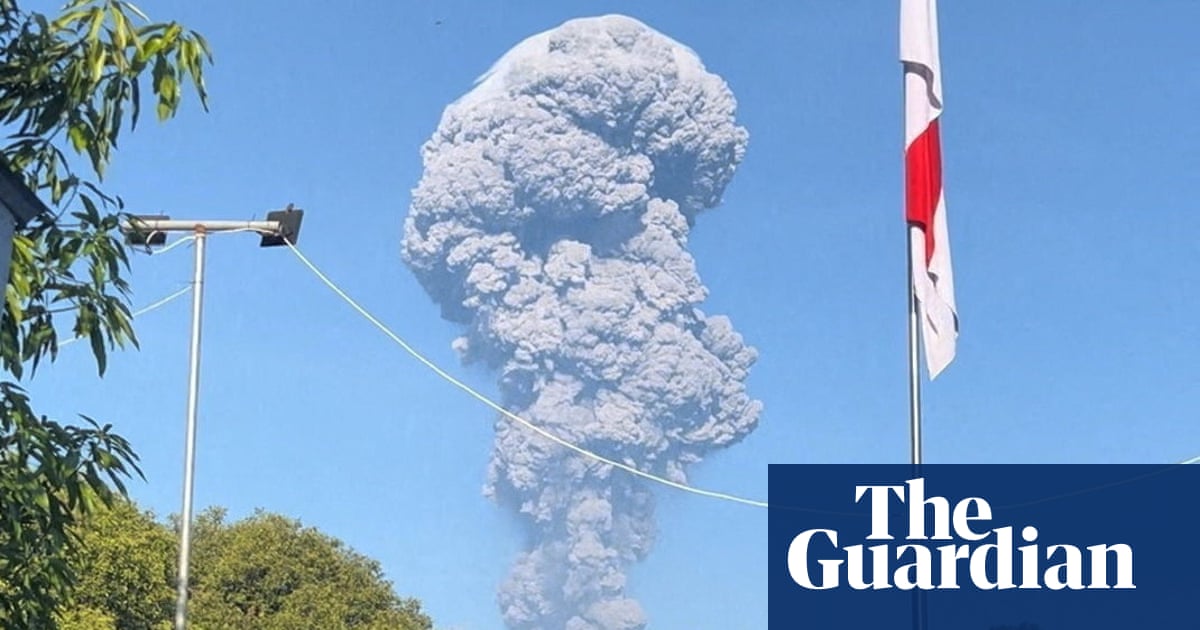
The serene, yet volatile, landscape surrounding Mount Dukono on Indonesia’s remote island of Halmahera has once again erupted in a deadly display of nature’s raw power. In the wake of its recent eruption, rescuers have made the somber discovery of an Indonesian woman’s body, a stark reminder of the volcano’s unpredictable and often fatal embrace. As the search operation intensifies, the grim task of locating two missing Singaporean nationals continues, casting a pall of anxiety over the international community and highlighting the profound risks associated with venturing into such geologically active regions.
This tragic event unfolds against a backdrop of breathtaking natural beauty and immense geological instability. Mount Dukono, one of Indonesia's most active volcanoes, is a constant sentinel, its periodic rumblings a familiar, if unsettling, part of life for those living in its shadow. The current incident, however, has brought its dangers into sharp, tragic focus, drawing global attention to the remote corners of the Indonesian archipelago and the delicate balance between human exploration and nature's untamed forces.
The Perilous Search: A Race Against Time and Terrain
The recovery of the Indonesian woman's body marks a sorrowful milestone in the ongoing crisis. Officials have confirmed the discovery, though details regarding her identity and the exact circumstances of her death remain under investigation. The focus has now squarely shifted to the urgent search for the two missing Singaporeans, whose whereabouts are unknown since the eruption. Search and rescue teams, comprising local authorities, military personnel, and volunteers, are battling formidable challenges. The terrain around Mount Dukono is notoriously rugged, characterized by dense jungle, steep slopes, and volatile volcanic ash, all of which are exacerbated by the recent seismic activity. Visibility can be poor, and the threat of further eruptions or landslides looms large, making every step a calculated risk for the dedicated rescuers.
The operation is a testament to human resilience and cooperation. Specialized equipment, including drones and heat-sensing technology, is being deployed to cover wider areas and penetrate difficult-to-access zones. However, the sheer scale of the search area and the unpredictable nature of volcanic environments mean that progress is often slow and arduous. Families of the missing Singaporeans are undoubtedly enduring an agonizing wait, their hopes clinging to every update from the remote search site. International support and expertise are also being considered, underscoring the global concern for the victims and the complexity of such large-scale disaster responses.
Indonesia's 'Ring of Fire': A History of Volcanic Activity
Indonesia, an archipelago nation of over 17,000 islands, sits squarely on the Pacific Ring of Fire, a horseshoe-shaped belt around the Pacific Ocean known for its intense seismic and volcanic activity. This geographical reality means that the country is home to approximately 130 active volcanoes, more than any other nation. Mount Dukono is one of these active giants, having been in a state of near-continuous eruption since 1933, with frequent ash plumes and occasional lava flows. Its persistent activity makes it a significant monitoring challenge for vulcanologists and a constant threat to nearby communities and adventurous tourists.
The history of volcanic eruptions in Indonesia is replete with both awe-inspiring power and devastating consequences. From the cataclysmic 1883 eruption of Krakatoa, which caused global climate changes and tsunamis, to the more recent, deadly eruptions of Mount Merapi, these events are deeply woven into the fabric of Indonesian life and culture. The country's geological dynamism provides fertile soil and breathtaking landscapes, but it also demands a profound respect for nature's raw power. The government and scientific institutions, such as the Center for Volcanology and Geological Hazard Mitigation (PVMBG), maintain a vigilant watch, issuing warnings and evacuation orders when necessary. However, the sheer number of active volcanoes and the remoteness of some locations make comprehensive monitoring and rapid response incredibly challenging.
Expert Analysis: The Risks of Volcanic Tourism and Remote Operations
Experts in volcanology and disaster management emphasize the inherent risks associated with visiting active volcanic sites, particularly those as continuously active as Mount Dukono. Dr. Anya Sharma, a vulcanologist specializing in Southeast Asian volcanoes, notes, "While the allure of witnessing an active volcano is undeniable, it comes with significant, often unpredictable, dangers. Eruptions can occur with little to no warning, and the immediate vicinity of a crater is always a high-risk zone." She adds that the volatile nature of ash clouds, ballistic projectiles, and toxic gases poses severe threats, even to experienced trekkers.
Furthermore, the logistical challenges of search and rescue operations in remote, volcanic areas are immense. "Access is often limited, communication infrastructure can be unreliable, and the environment itself is constantly changing," explains Professor David Chen, a disaster response expert. "These factors combine to make recovery efforts incredibly complex and dangerous for the rescuers themselves. It requires highly specialized training, equipment, and a robust coordination framework involving multiple agencies." The incident at Mount Dukono serves as a stark reminder of the critical importance of adhering to safety guidelines, respecting local advisories, and understanding the dynamic risks involved in such environments.
Looking Forward: Lessons from the Ashes
As the search for the missing Singaporeans continues, the incident at Mount Dukono will undoubtedly prompt further scrutiny of safety protocols for tourists and residents in active volcanic regions. It underscores the need for enhanced public awareness campaigns regarding volcanic hazards, improved early warning systems, and more robust emergency response capabilities, particularly in remote areas. For the families affected, the coming days will be fraught with uncertainty, but the unwavering dedication of the search teams offers a glimmer of hope amidst the tragedy.
The Mount Dukono eruption is a poignant testament to the enduring power of nature and the fragile existence of human life in its path. While the allure of adventure and the beauty of these landscapes draw many, this incident serves as a solemn reminder that respect, caution, and preparedness are paramount when confronting the raw, untamed forces of our planet. The lessons learned from this tragedy will hopefully contribute to saving lives in future encounters with Indonesia's magnificent, yet dangerous, volcanoes.
Stay Informed
Get the world's most important stories delivered to your inbox.
No spam, unsubscribe anytime.
Comments
No comments yet. Be the first to share your thoughts!