Nigeria's Energy Revolution: Charting a Course Towards Sustainable Prosperity
Nigeria, a nation long grappling with an underperforming energy sector despite vast resources, is now on the cusp of a transformative turnaround. This comprehensive analysis delves into the ambitious reforms, strategic investments, and policy shifts driving this change, from gas monetization to renewable energy integration. We explore how these initiatives are poised to reshape Nigeria's economy, improve citizens' lives, and establish the country as a regional energy powerhouse. The journey is complex, but the commitment to a sustainable energy future is unwavering.
For decades, Nigeria, Africa's most populous nation and a major oil producer, has presented a paradox: immense energy potential coexisting with chronic power shortages and an underperforming sector. The very resource that should have propelled its development often became a source of instability and inefficiency. However, a significant shift is underway. The nation is embarking on an ambitious journey to revitalize its energy landscape, moving beyond its traditional reliance on crude oil to embrace a more diversified, efficient, and sustainable energy future. This is not merely a policy adjustment; it's a fundamental re-engineering of a sector critical to Nigeria's economic destiny.
The Legacy of Underperformance: A Historical Perspective
Nigeria's energy story has long been dominated by its vast crude oil reserves, which have historically accounted for over 90% of its export earnings and a significant portion of its GDP. Yet, despite this wealth, the country has struggled to translate oil revenues into widespread prosperity or reliable domestic energy supply. Key challenges have plagued the sector:
* Inadequate infrastructure: Decades of underinvestment led to dilapidated refineries, insufficient transmission and distribution networks, and widespread gas flaring. * Policy inconsistencies and regulatory uncertainty: Frequent changes in government and policy direction deterred long-term investments. * Security issues and oil theft: These problems have significantly impacted production volumes and revenue generation. * Over-reliance on imports: Despite being an oil producer, Nigeria has often imported refined petroleum products, creating a drain on foreign exchange and exposing the economy to global price volatility. * Limited access to electricity: Millions of Nigerians, particularly in rural areas, lack access to reliable power, hindering economic activity and quality of life.
These systemic issues created a cycle of underdevelopment, where the energy sector, instead of being an engine of growth, became a bottleneck. The potential of natural gas, abundant in Nigeria, remained largely untapped, either flared or exported as LNG, rather than being utilized for domestic power generation or industrial feedstock.
Pillars of the New Energy Strategy: Diversification and Efficiency
The current administration has initiated a multi-pronged strategy to address these historical challenges and unlock Nigeria's energy potential. This strategy is built on several key pillars:
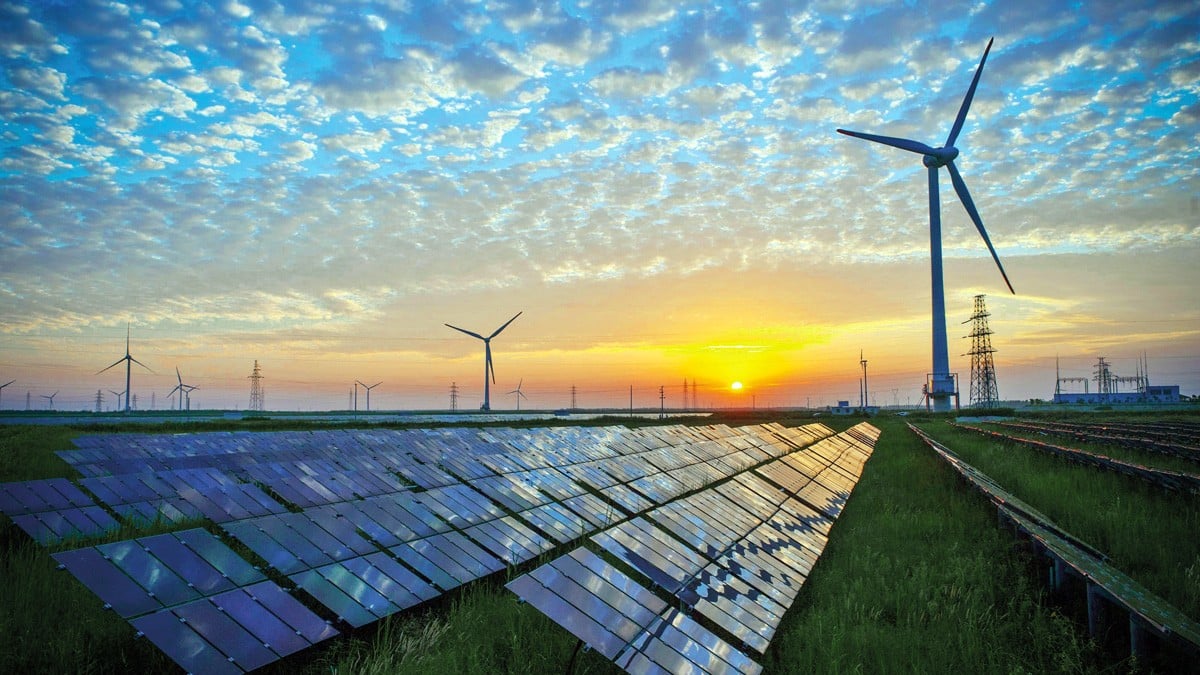
* Gas Monetization: Recognizing natural gas as a transition fuel, Nigeria is making significant strides in harnessing its vast gas reserves. Initiatives like the Decade of Gas program aim to increase domestic gas utilization for power generation, industrial use, and as a cleaner alternative to traditional fuels. Projects such as the AKK (Ajaokuta-Kaduna-Kano) Gas Pipeline are crucial for distributing gas across the country, fostering industrialization and improving electricity supply. This shift is not only about energy security but also about reducing the environmental impact associated with oil production. * Refinery Rehabilitation and Local Content: A major focus is on rehabilitating existing state-owned refineries and supporting new private sector-led projects, most notably the Dangote Refinery. The goal is to end the costly importation of refined petroleum products, achieve self-sufficiency, and create jobs. This move is expected to save billions in foreign exchange and stabilize fuel prices domestically. * Power Sector Reforms: Efforts are ongoing to improve the efficiency and reliability of the power sector, from generation to transmission and distribution. This includes attracting private investment, addressing tariff issues, and reducing technical and commercial losses. The Presidential Power Initiative (PPI), in partnership with Siemens AG, aims to upgrade the national grid infrastructure significantly. * Renewable Energy Integration: While gas is a transition fuel, Nigeria is also laying the groundwork for a long-term shift towards renewable energy sources. The country possesses abundant solar, wind, and hydro resources. Policies are being developed to incentivize investment in these areas, particularly for off-grid and mini-grid solutions that can quickly bring electricity to underserved communities. This aligns with global climate goals and offers a sustainable path to energy access.
Impact and Implications: A Brighter Economic Horizon
The successful implementation of these reforms holds profound implications for Nigeria's economy and its citizens:
* Economic Diversification and Growth: A stable and efficient energy sector will attract investment across various industries, from manufacturing to agriculture, reducing the economy's over-reliance on crude oil exports. The availability of reliable and affordable power is a fundamental prerequisite for industrial growth. * Job Creation: Large-scale infrastructure projects, refinery operations, and the burgeoning renewable energy sector will create millions of direct and indirect jobs, addressing persistent unemployment challenges. * Fiscal Stability: Ending fuel imports will save significant foreign exchange, strengthening the Naira and improving the nation's balance of payments. Increased revenue from gas monetization will also provide additional funds for public services and development projects. * Improved Quality of Life: Access to reliable electricity will transform daily life for millions, enabling better education, healthcare, and economic opportunities, particularly in rural areas. Reduced reliance on polluting fuels will also lead to better public health outcomes. * Regional Leadership: By becoming a net exporter of refined products and a major gas supplier, Nigeria can solidify its position as a regional energy hub, fostering economic integration and stability across West Africa.
Challenges and the Path Forward
Despite the significant progress and clear vision, the journey is not without its hurdles. Funding remains a critical challenge, requiring innovative financing models and continued attraction of foreign direct investment. Security concerns in oil-producing regions continue to pose risks to infrastructure and production. Regulatory consistency and the political will to see reforms through are paramount. Furthermore, building the human capital and technical expertise required to manage a complex, diversified energy sector will be crucial.
The government's commitment, however, appears robust. The Petroleum Industry Act (PIA), after years of deliberation, provides a clearer legal and regulatory framework, aiming to boost investment and transparency. The focus on public-private partnerships and leveraging international expertise signals a pragmatic approach to overcoming these obstacles.
Conclusion: A New Dawn for Nigerian Energy
Nigeria's energy sector is indeed undergoing a profound transformation. From a landscape dominated by oil and characterized by inefficiency, the nation is actively building a future powered by diversified sources, driven by domestic needs, and geared towards sustainability. The shift from an oil-dependent economy to one that leverages its vast gas reserves and embraces renewables is a monumental undertaking. While challenges persist, the strategic reforms, significant investments, and renewed political will suggest that Nigeria is firmly on the path to realizing its full energy potential, promising a more prosperous and stable future for its citizens and a stronger economic standing on the global stage. This energy revolution is not just about power; it's about empowerment, progress, and securing Nigeria's place in the 21st century.
Stay Informed
Get the world's most important stories delivered to your inbox.
No spam, unsubscribe anytime.
Comments
No comments yet. Be the first to share your thoughts!