Nintendo Switch 2 Price Hike: Is Early Adoption the Smart Play Before September 2026?
Nintendo has confirmed a significant price increase for the Switch 2, set to take effect from September 1, 2026, with the European price rising to €499.99. This move has sparked debate among consumers and analysts alike, raising questions about market strategy, inflation, and the value proposition for early adopters. Gamers are now faced with a critical decision: secure the console at its current price or risk paying more later, impacting holiday shopping plans and long-term budgeting.
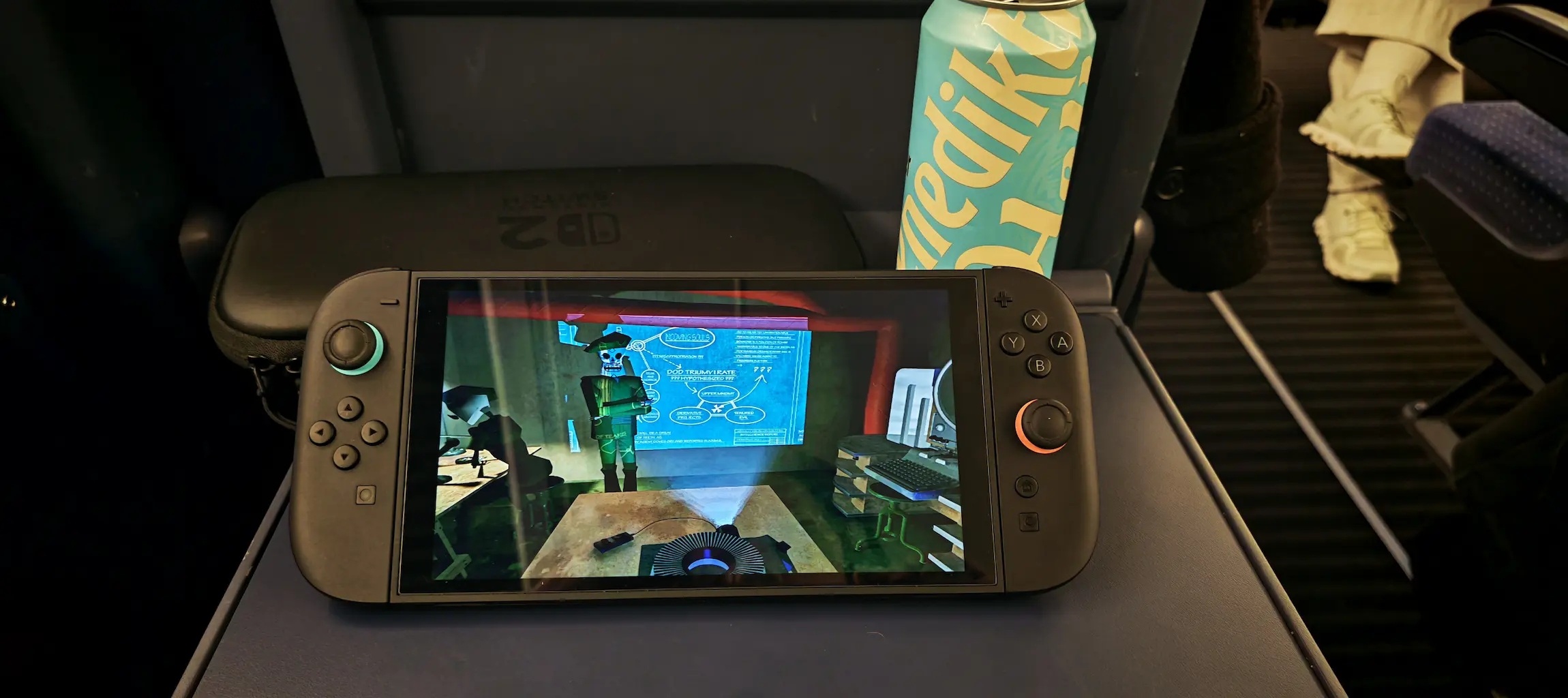
The world of gaming is no stranger to price adjustments, but Nintendo's latest announcement regarding the Nintendo Switch 2 has sent ripples across the industry and among its dedicated fanbase. What many had speculated is now confirmed: the highly anticipated console is set to become more expensive. From September 1, 2026, the price of the Switch 2 will see a notable increase, with the European market, for instance, facing a new price tag of €499.99. This decision puts consumers, particularly those in Ireland and other European nations, at a crossroads, forcing a re-evaluation of their purchasing plans. Is buying now a savvy move, or is it a rushed decision fueled by impending price hikes?
The Inevitable Rise: Understanding Nintendo's Strategy
Nintendo, a company renowned for its innovative and often unconventional approaches to gaming hardware, rarely makes such significant price adjustments without careful consideration. This impending price increase for the Switch 2 is not an isolated incident but rather a symptom of broader economic pressures and strategic positioning. Global inflation, rising manufacturing costs, supply chain complexities, and currency fluctuations all play a role in the final retail price of electronics. For a global corporation like Nintendo, these factors are constantly monitored and can necessitate price corrections to maintain profitability and investment in future research and development.
Historically, console prices tend to fall over time, not rise. However, the current economic climate has challenged this convention. We've seen similar trends in other tech sectors, where components become more expensive, and the cost is eventually passed on to the consumer. Nintendo's move could also be a strategic play to capitalize on early demand, knowing that a certain segment of its audience will pay a premium for the latest technology. By announcing the increase well in advance, they are creating a sense of urgency, potentially boosting sales in the short to medium term before the new price takes effect. This strategy allows them to maximize revenue from early adopters while also setting a new, higher baseline for future sales.
The European Impact: A Closer Look at the €499.99 Tag
The specific mention of the European price point, €499.99, is particularly significant. Europe, with its diverse markets and varying economic conditions, often serves as a bellwether for global pricing trends. This price point places the Switch 2 squarely in the premium console segment, competing directly with established powerhouses like the PlayStation 5 and Xbox Series X, which have seen their own price adjustments since launch. For many European consumers, particularly in countries like Ireland where disposable income might be tighter, a €50 increase (assuming an initial price around €449.99) is not negligible. It represents a tangible barrier to entry, especially for families or individuals on a budget.
This pricing decision also raises questions about regional disparities. Will other markets, such as North America or Japan, see similar percentage increases, or will Nintendo adopt a more localized approach? The complexity of international distribution, tariffs, and local tax structures means that a uniform global price hike is unlikely, but the European announcement certainly sets a precedent. Consumers in these regions will be closely watching for similar news, preparing for the possibility of a higher entry cost into the next generation of Nintendo gaming.
The Dilemma: To Buy Now or Wait?
For potential buyers, the clock is indeed ticking. The September 1, 2026, deadline creates a clear incentive to purchase the Switch 2 before the price adjustment. But is it always wise to rush into a purchase, even with a looming price hike? There are several factors to consider:
* Immediate Need vs. Future Value: If you're eager to experience the latest Nintendo titles and features, buying now makes sense. However, if your current console still meets your needs, waiting might allow for potential software bundles, limited edition versions, or even unforeseen price drops (though less likely after an announced increase). * Budgeting and Savings: For many, saving an extra €50-€100 can be significant. Planning to purchase before the deadline requires immediate financial commitment, which might not be feasible for everyone. * Technological Evolution: While the Switch 2 is new, technology evolves rapidly. Waiting could mean access to future hardware revisions, improved software stability, or a broader game library. However, waiting past the deadline means paying more for the same initial hardware. * Holiday Shopping Implications: The September 2026 deadline means that the price increase will be firmly in place for the crucial Christmas 2026 shopping season. Parents and gift-givers will need to factor in the higher price point, potentially impacting other holiday purchases. This makes early planning, even a year or more in advance, a strategic necessity for those aiming to save.
Industry analysts suggest that Nintendo's move is a calculated risk. While it might deter some fence-sitters, it could also spur a wave of pre-increase purchases from dedicated fans and those who were already leaning towards buying. "This is a classic 'fear of missing out' (FOMO) play," says Dr. Evelyn Reed, a market strategist specializing in consumer electronics. "By setting a clear deadline, Nintendo creates an artificial scarcity of the current price, driving immediate demand. It's a bold move, but one that has historically worked for premium products."
The Broader Market and Future of Gaming Hardware
The Nintendo Switch 2's price adjustment is not an isolated event but rather a reflection of broader trends in the gaming hardware market. We are witnessing a shift where consoles are no longer guaranteed to become cheaper over their lifecycle, at least not in the early years. The complexity of modern hardware, the cost of advanced components, and the increasing sophistication of manufacturing processes all contribute to higher base costs. Moreover, the value proposition of a console extends beyond its initial price; it encompasses the exclusive game library, online services, and the overall ecosystem it offers.
Looking ahead, this trend suggests that consumers may need to adjust their expectations regarding console pricing. The days of significant price drops within a year or two of launch might be less common, especially for flagship devices. Instead, companies might opt for more frequent, smaller price adjustments or rely on bundles and promotions to attract new buyers. This also puts pressure on developers to create compelling software that justifies the higher hardware cost, ensuring that the gaming experience remains paramount.
Conclusion: A Strategic Shift in Console Economics
Nintendo's decision to increase the price of the Switch 2 from September 2026 marks a significant moment in the current console generation. It underscores the economic realities faced by hardware manufacturers and highlights a strategic pivot in how premium gaming devices are priced and marketed. For consumers, particularly those in Europe, the message is clear: the window to acquire the Switch 2 at its initial, lower price is closing. Whether this move proves to be a masterstroke for Nintendo, boosting sales and profitability, or a deterrent for some potential buyers, remains to be seen. What is certain is that the landscape of console purchasing has become more dynamic, requiring gamers to be more strategic and informed than ever before. The choice to buy now or wait is no longer just about patience; it's about navigating a rapidly evolving economic terrain in the world of interactive entertainment.
Stay Informed
Get the world's most important stories delivered to your inbox.
No spam, unsubscribe anytime.
Comments
No comments yet. Be the first to share your thoughts!