Nuclear Power's Future: Why Media Scrutiny is Crucial for Public Trust and Safety
A leading environmental advocate is urging journalists to adopt a more investigative and reflective approach to reporting on nuclear energy. This call comes amidst growing global interest in nuclear power as a clean energy solution, highlighting the critical need for transparency, public interest protection, and national safety. The media's role in dissecting complex nuclear issues, from waste management to regulatory oversight, is paramount to fostering informed public discourse.
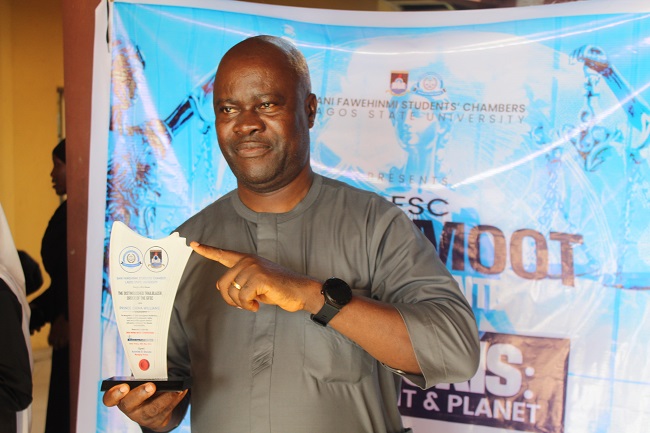
In an era increasingly defined by the urgent need for sustainable energy solutions, nuclear power often emerges as a compelling, albeit controversial, option. Its promise of carbon-free electricity generation is undeniable, yet its inherent risks – from potential accidents to the intractable challenge of radioactive waste – cast a long shadow. Against this complex backdrop, Mr. Chima Williams, the Executive Director of the Environmental Defenders Network, Nigeria, has issued a powerful call to action, urging journalists worldwide to embrace a more reflective and investigative role in their coverage of nuclear energy issues. His message underscores a fundamental truth: the media's responsibility extends beyond mere reporting; it must actively safeguard public interest, transparency, and national safety.
The Imperative of Investigative Journalism in Nuclear Discourse
Williams's plea is not merely an academic exercise; it's a critical appeal for robust, independent journalism in a field often shrouded in technical jargon and geopolitical sensitivities. Nuclear power, by its very nature, demands an elevated level of scrutiny. Unlike other energy sources, the consequences of missteps in nuclear operations can be catastrophic, with long-lasting environmental and human impacts. The Chernobyl disaster in 1986 and the Fukushima Daiichi accident in 2011 serve as stark reminders of this reality, demonstrating how quickly a localized incident can escalate into an international crisis. These events cemented public apprehension and highlighted the critical need for unbiased, in-depth reporting that can dissect complex technical information and present it in an accessible manner to the public.
Journalists, Williams argues, must move beyond superficial coverage and delve into the intricate layers of nuclear power programs. This involves: * Examining regulatory frameworks: Are they sufficiently stringent? Is there adequate oversight? Are independent bodies truly independent? * Assessing safety protocols: How are these developed, implemented, and audited? What are the contingency plans for emergencies? * Investigating waste management solutions: What are the long-term plans for high-level radioactive waste, which remains hazardous for millennia? Are these plans environmentally sound and publicly acceptable? * Analyzing economic viability and transparency: Are the true costs, including decommissioning and waste disposal, being accurately represented? Is there transparency in contract awards and project management? * Reporting on community engagement and consent: Are local communities adequately informed and consulted? Do they have a genuine say in projects that could profoundly impact their lives and environments?
Without such rigorous examination, public trust – an essential ingredient for the successful and safe deployment of any nuclear program – can easily erode. The media acts as a vital fourth estate, holding power accountable and ensuring that decisions with far-reaching implications are made in the light of public scrutiny, not behind closed doors.
Historical Context and Global Nuclear Ambitions
The global landscape of nuclear energy is currently undergoing a significant shift. After decades of stagnation following major accidents, there's a renewed interest in nuclear power, driven by climate change concerns and the desire for energy independence. Countries like China, India, and Russia are aggressively expanding their nuclear fleets, while many Western nations are revisiting their previous anti-nuclear stances. For instance, the International Atomic Energy Agency (IAEA) projects a significant increase in global nuclear power capacity by 2050, with scenarios suggesting a doubling from current levels under ambitious climate action policies. This resurgence makes the media's role even more critical.
Historically, the narrative around nuclear power has often been polarized, oscillating between utopian visions of limitless clean energy and dystopian fears of atomic annihilation. During the Cold War, nuclear technology was intrinsically linked to weapons programs, fostering deep public suspicion. Even as civilian nuclear power developed, incidents like Three Mile Island in 1979 further fueled anxieties. This legacy means that public perception is highly sensitive, and any new nuclear initiative must be built on a foundation of unquestionable transparency and verifiable safety. Journalists have the power to bridge the gap between technical experts and the general public, translating complex scientific and engineering concepts into understandable narratives, thereby fostering informed debate rather than fear-mongering or blind acceptance.
The Challenge of Balancing Benefits and Risks
Nuclear power offers significant advantages in the fight against climate change. It produces virtually no greenhouse gas emissions during operation, provides a reliable baseload power source, and reduces reliance on volatile fossil fuel markets. For nations like Nigeria, which faces significant energy deficits and aims for industrial growth, nuclear power could represent a pathway to energy security and economic development. However, these benefits must be weighed against substantial risks:
* Safety and Security: The potential for accidents, though rare, is severe. Furthermore, nuclear facilities are potential targets for terrorism, requiring robust security measures. * Waste Disposal: High-level radioactive waste remains dangerous for hundreds of thousands of years, posing an unprecedented intergenerational challenge for safe, permanent disposal. * Proliferation Concerns: The technology and materials used in civilian nuclear power can, in principle, be diverted for weapons programs, necessitating stringent international safeguards. * High Costs and Long Construction Times: Nuclear power plants are incredibly expensive to build and take many years to come online, often exceeding initial budgets and schedules.
Journalists must navigate this delicate balance, presenting both the compelling arguments for nuclear power and its inherent dangers. This requires a deep understanding of the subject matter, a commitment to factual accuracy, and the courage to challenge official narratives. It means asking tough questions about cost overruns, safety records, regulatory capture, and long-term environmental impacts.
Fostering Public Trust Through Proactive Reporting
The call from Mr. Williams is a reminder that the media's role is not passive. It's an active, essential component of democratic oversight. For emerging nuclear nations, or those considering expanding their nuclear programs, establishing a strong culture of media scrutiny from the outset is paramount. This includes:
* Training and Capacity Building: Journalists need specialized training to understand nuclear science, engineering, and policy. Workshops and access to experts are crucial. * Access to Information: Governments and nuclear operators must provide journalists with timely, accurate, and comprehensive information, even when it's unfavorable. * Protection for Whistleblowers: Sources within the industry who raise legitimate safety or ethical concerns must be protected. * Promoting Diverse Perspectives: Reporting should include voices from environmental groups, local communities, independent scientists, and international bodies, not just government and industry spokespersons.
By embracing these principles, the media can help build a foundation of informed public consent rather than mere acquiescence. When the public understands the risks and benefits, and trusts that these are being openly discussed and managed, they are more likely to support well-regulated nuclear programs and hold decision-makers accountable for their safety and environmental performance.
Conclusion: The Media as a Guardian of Nuclear Accountability
Mr. Chima Williams's advocacy for a more reflective and investigative media role in nuclear energy reporting is a vital clarion call. As the world grapples with climate change and energy demands, nuclear power will undoubtedly remain a significant part of the global energy conversation. The stakes are too high to allow for anything less than the most rigorous journalistic inquiry. The media, as a guardian of public interest, has a profound responsibility to ensure that the pursuit of clean energy does not inadvertently compromise safety, transparency, or future generations. Only through persistent, insightful, and independent reporting can societies make truly informed decisions about the role of nuclear power in their energy future, fostering an environment where innovation thrives alongside an unwavering commitment to safety and public accountability.
Stay Informed
Get the world's most important stories delivered to your inbox.
No spam, unsubscribe anytime.
Comments
No comments yet. Be the first to share your thoughts!