Orbital Computing: Google and SpaceX Eye Space for AI Data Centers
Google and SpaceX are reportedly in advanced discussions to develop orbital data centers, a move that could revolutionize AI computation. This ambitious project aims to leverage space for unparalleled processing power, despite the immense logistical and financial challenges. The collaboration signals a bold step towards an extraterrestrial future for digital infrastructure, with profound implications for technology and global connectivity.
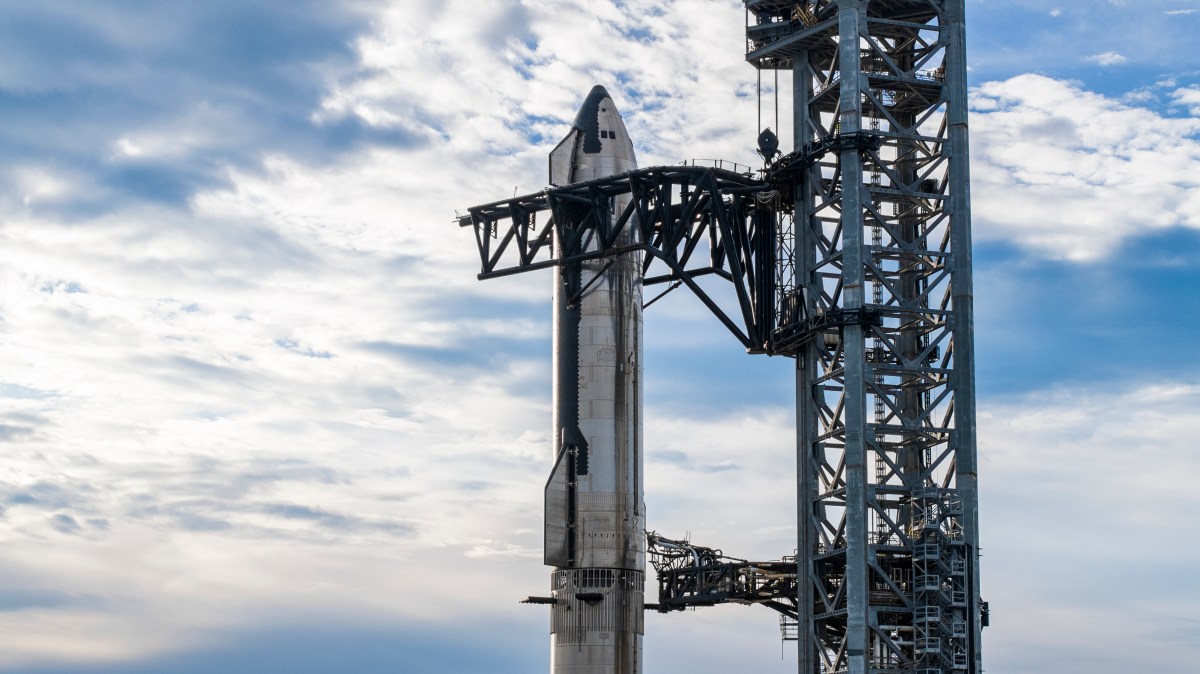
In a development that sounds more like science fiction than current affairs, tech giant Google and aerospace innovator SpaceX are reportedly engaged in advanced discussions to establish orbital data centers. This audacious proposal, first brought to light by The Wall Street Journal, suggests a future where the very infrastructure of our digital world, particularly the burgeoning demands of Artificial Intelligence (AI), could reside not on Earth, but among the stars. The implications of such a venture are staggering, promising to redefine the boundaries of computing, connectivity, and even national security.
At its core, the initiative seeks to address the ever-growing computational needs of AI, which are rapidly outstripping the capacities and efficiencies of terrestrial data centers. While the concept of placing data centers in orbit presents monumental engineering and economic hurdles, the potential rewards – from reduced latency for global AI operations to enhanced security and access to unique environmental conditions – are compelling enough to warrant serious consideration from two of the world's most influential companies.
The Astronomical Ambition: Why Space?
The idea of moving data centers into space isn't merely a whimsical pursuit; it's driven by concrete, albeit futuristic, technological imperatives. Terrestrial data centers consume vast amounts of energy, require significant physical footprints, and are subject to geographical limitations and environmental factors. As AI models become increasingly complex and data-intensive, the need for more efficient, scalable, and resilient computing infrastructure grows critical.
Space-based data centers could offer several distinct advantages. Firstly, the vacuum of space provides a natural environment for cooling, potentially reducing the massive energy expenditure currently dedicated to thermal management on Earth. Secondly, placing compute resources closer to satellite networks, such as SpaceX's own Starlink constellation, could drastically reduce latency for global data transfer and AI processing, especially for applications requiring real-time responses across continents or remote areas. Thirdly, the physical isolation of space offers a unique layer of security against terrestrial threats, both natural and man-made. Imagine a data center immune to earthquakes, floods, or even direct physical sabotage.
However, the challenges are equally monumental. Launching and maintaining hardware in orbit is prohibitively expensive, and the harsh radiation environment of space poses significant threats to electronic components. The cost of transporting even a single server rack into orbit is astronomical, let alone the complex infrastructure required for power, cooling, and maintenance. This is where the synergy between Google's cloud computing prowess and SpaceX's expertise in reusable rocket technology and satellite deployment becomes crucial. SpaceX's Starship, with its unprecedented payload capacity and potential for significantly lower launch costs, could be the enabling technology that makes orbital data centers economically viable.
A New Frontier for AI and Cloud Computing
Google, a leader in AI research and cloud services through Google Cloud, has a vested interest in securing the future of high-performance computing. The company's deep investments in AI, from its TensorFlow framework to its advanced AI models like Gemini, demand ever-increasing computational resources. Partnering with SpaceX could provide Google with a strategic advantage, offering a unique platform to host its AI workloads and expand its cloud offerings into an entirely new domain.
For SpaceX, a company poised for a massive $1.75 trillion IPO, this collaboration represents a significant diversification beyond satellite internet and space tourism. It positions the company as a pivotal player in the emerging space economy, offering infrastructure services that extend beyond simple connectivity. The potential revenue streams from hosting Google's data centers, and eventually those of other tech giants, could solidify SpaceX's financial future and validate its long-term vision of making humanity a multi-planetary species. The talks underscore SpaceX's ambition to not just launch things into space, but to build a functioning economy there.
Overcoming Earthly Constraints: Engineering and Economics
The engineering hurdles for orbital data centers are immense. Beyond the initial launch costs, considerations include radiation hardening of components, power generation (likely solar with advanced battery storage), autonomous maintenance and repair systems, and robust communication links back to Earth. The sheer scale of a functional data center, even a modular one, presents a logistical nightmare for orbital deployment. Each component must be designed to withstand extreme temperatures, vacuum, and micrometeoroid impacts.
Economically, the current costs are orders of magnitude higher than ground-based alternatives. A key question is whether the unique advantages of space – reduced latency for global AI, enhanced security, and potentially limitless cooling – can eventually offset these costs. The long-term vision likely involves a phased approach, perhaps starting with specialized AI accelerators or critical data storage modules before expanding to full-fledged data centers. The development of in-space manufacturing and assembly could also play a critical role in reducing costs and increasing scalability over time.
Furthermore, regulatory frameworks for orbital data centers are virtually non-existent. International space law, spectrum allocation, and data sovereignty issues would need to be addressed, creating a complex legal and political landscape that could rival the technical challenges. This venture is not just about technology; it's about pioneering new governance models for an extraterrestrial digital age.
The Future is Orbital: Implications for Humanity
Should Google and SpaceX succeed, the implications would be profound. We could see the emergence of a truly global, low-latency AI network, accelerating breakthroughs in fields from medicine and climate science to autonomous systems and financial modeling. The ability to process vast datasets closer to their points of origin or consumption, regardless of terrestrial infrastructure, could democratize access to advanced AI capabilities.
Moreover, it could spark a new space race, not for flags on the moon, but for computational dominance in orbit. Other nations and corporations would undoubtedly follow suit, leading to a proliferation of space-based infrastructure. This future would necessitate robust international cooperation to manage orbital traffic, prevent space debris, and ensure the peaceful and equitable use of this new frontier for computing.
In conclusion, the discussions between Google and SpaceX represent a bold, visionary leap into the future of technology. While the path to orbital data centers is fraught with challenges, the potential to unlock unprecedented AI capabilities and reshape our digital landscape makes it a venture worth watching closely. It signifies a paradigm shift, where the physical boundaries of Earth no longer constrain the ambitions of our digital world, paving the way for a truly cosmic internet and an AI that lives among the stars. This collaboration could very well be the genesis of the next great technological revolution, extending humanity's digital footprint far beyond our home planet.
Stay Informed
Get the world's most important stories delivered to your inbox.
No spam, unsubscribe anytime.
Comments
No comments yet. Be the first to share your thoughts!