Porth's Iconic Pop Factory: A Welsh Music Landmark Seeks New Future Amidst Community Hopes
The legendary Pop Factory in Porth, Rhondda Cynon Taf, a venue synonymous with launching Welsh music careers and hosting global stars like Tom Jones and Stereophonics, is now for sale. Once a soft drinks factory, it transformed into a vibrant music hub and TV studio, playing a pivotal role in the UK's music scene. As its doors close on an era, a dedicated community group is campaigning to acquire the site, aiming to preserve its cultural legacy and reignite its potential as a creative beacon for the Valleys.
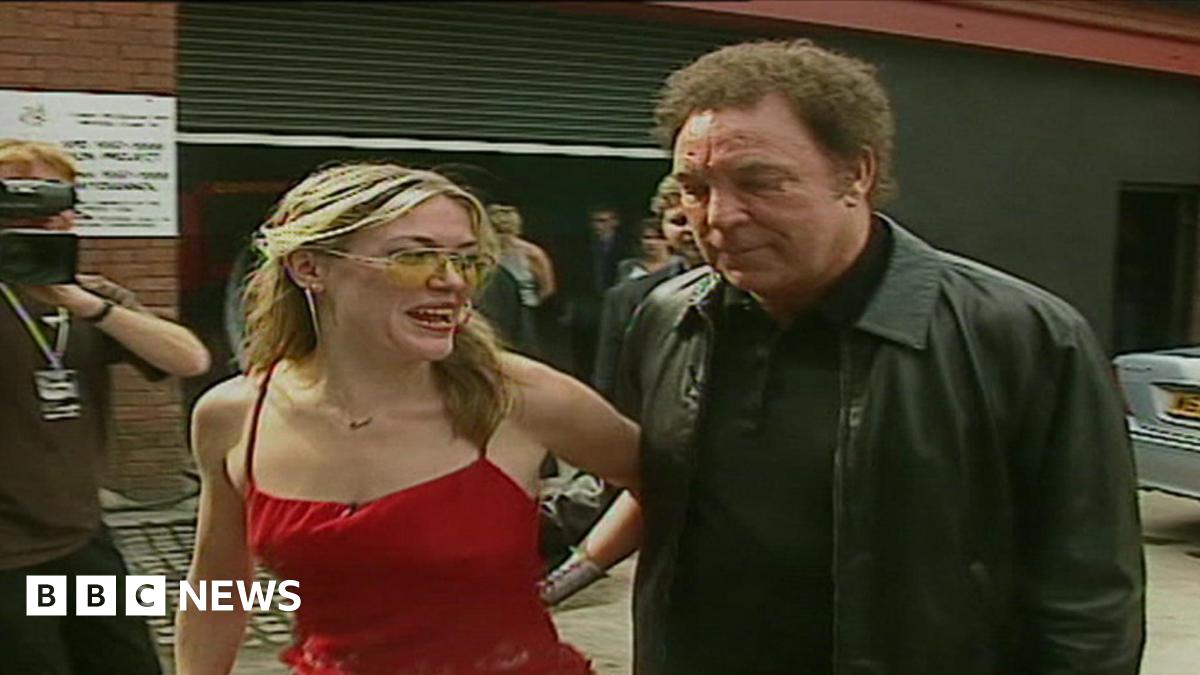
In the heart of the Welsh Valleys, a silent sentinel of sound and spectacle stands at a crossroads. The Pop Factory in Porth, Rhondda Cynon Taf, a name etched into the annals of British music history, has been put up for sale, sparking both nostalgia and fervent hope for its future. More than just a building, this former soft drinks factory, which reinvented itself as a premier music venue and TV studio in 2000, has been a crucible for talent, a stage for legends, and a vibrant cultural heartbeat for two decades. Its impending sale marks the end of one chapter, but for a determined community group, it signals the beginning of an ambitious campaign to reclaim and revitalize a cherished landmark.
From Soda to Superstars: The Genesis of a Legend
The story of The Pop Factory is one of audacious transformation. Originally a nondescript soft drinks bottling plant, its industrial shell held no hint of the musical magic it would later contain. In a bold move at the turn of the millennium, the factory was reimagined and reborn as a state-of-the-art music venue and television studio. This wasn't merely a local enterprise; it was a visionary project that aimed to put Porth, and indeed the whole of the Rhondda Valleys, firmly on the cultural map. The timing was impeccable, coinciding with a burgeoning era for Welsh music, often dubbed the 'Cool Cymru' period, which saw bands like Stereophonics, Manic Street Preachers, and Catatonia achieve international acclaim.
The venue quickly became a magnet for both established acts and emerging artists. Its unique blend of intimate atmosphere and professional production capabilities made it a favourite. Early on, it hosted some of the biggest names in music, from the legendary Tom Jones to the rock anthems of Stereophonics. It wasn't just about the music; The Pop Factory also became a significant television production hub, producing shows that showcased Welsh talent to a wider audience, further cementing its reputation as a cultural powerhouse. This dual function as a live music venue and TV studio was a key differentiator, allowing it to nurture talent from the ground up and provide a platform for exposure that was unparalleled in the region.
A Stage for Icons and Aspirations
The list of artists who graced The Pop Factory's stage reads like a who's who of contemporary music. Beyond the headliners, it provided crucial early opportunities for countless bands and musicians, many of whom went on to achieve significant success. Catatonia, with their charismatic frontwoman Cerys Matthews, found a welcoming stage here. Even global pop sensation Victoria Beckham made an appearance, showcasing the venue's broad appeal across genres. The Pop Factory wasn't just about big names; it was about fostering a vibrant ecosystem for music and performance.
Its impact extended beyond the stage lights. The venue became a vital component of the local economy, creating jobs, attracting tourism, and instilling a sense of pride within the community. For many young people in the Valleys, The Pop Factory was their first exposure to live music, a place where dreams were ignited and creative aspirations took flight. It served as a cultural anchor, providing a space for artistic expression and community gathering in an area that often faced economic challenges. The memories forged within its walls – the electrifying concerts, the shared experiences, the collective joy – are deeply ingrained in the local consciousness.
The Community's Call: Preserving a Legacy
News of The Pop Factory's sale has been met with a mixture of sadness and determination. While the closure of such a significant venue is undoubtedly a blow, it has also galvanized local residents and stakeholders. A community group, passionately committed to preserving the venue's legacy, has swiftly emerged with a clear objective: to purchase the site and ensure its continued use as a cultural and creative hub. Their vision extends beyond mere preservation; they aim to transform it into a multi-faceted community asset, offering:
* Live Music Venue: Continuing its tradition of hosting local, national, and international acts. * Creative Arts Centre: Providing spaces for rehearsals, workshops, and artistic development. * Educational Opportunities: Partnering with local schools and colleges to offer training in music production, sound engineering, and performance arts. * Community Hub: A space for local events, meetings, and social gatherings, fostering community cohesion.
This grassroots initiative highlights the deep emotional connection the community has with The Pop Factory. They see it not as a relic of the past, but as a vital component of their future, a place where new generations can discover their own creative voices and where the rich cultural tapestry of the Valleys can continue to be woven. The group faces the significant challenge of fundraising and developing a sustainable business model, but their resolve is strong, fueled by widespread public support.
The Broader Context: Cultural Regeneration in the Valleys
The fate of The Pop Factory is emblematic of broader discussions around cultural regeneration and the preservation of heritage sites in post-industrial regions like the Welsh Valleys. For decades, these areas have grappled with economic shifts and the decline of traditional industries. Cultural institutions, like The Pop Factory, play a crucial role in revitalization efforts by:
* Boosting Local Economies: Attracting visitors, creating jobs, and stimulating local businesses. * Enhancing Quality of Life: Providing access to arts and entertainment, fostering community pride. * Nurturing Talent: Offering platforms for local artists and creative industries. * Preserving Identity: Reflecting and celebrating the unique cultural heritage of the region.
Experts in urban planning and cultural economics often emphasize that investing in cultural infrastructure yields significant social and economic dividends. The potential acquisition of The Pop Factory by a community group could serve as a powerful model for other regions facing similar challenges, demonstrating how local ownership and collective action can safeguard invaluable cultural assets. The success of this initiative could inspire similar efforts across the UK, proving that cultural landmarks are not just buildings, but living entities that contribute immeasurably to community well-being and economic dynamism.
A Future in Harmony: The Road Ahead
The coming months will be critical for The Pop Factory. The community group's efforts to raise funds and present a viable proposal will determine whether this iconic venue can embark on its next chapter under local stewardship. The outpouring of support, from former performers to local politicians and residents, underscores the profound impact the venue has had. Its story is a testament to the transformative power of music and culture, and a reminder that even in an ever-changing world, some places hold an enduring significance that transcends their brick and mortar.
The hope is that The Pop Factory will not merely be sold, but rather be reborn, continuing its legacy as a vibrant hub where new stars are discovered, where communities connect through shared experiences, and where the rhythmic pulse of Welsh creativity continues to beat strong. Its future, like the melodies it once amplified, remains to be written, but the chorus of community voices advocating for its preservation is growing louder, promising a harmonious future for this cherished Welsh landmark.
Stay Informed
Get the world's most important stories delivered to your inbox.
No spam, unsubscribe anytime.
Comments
No comments yet. Be the first to share your thoughts!