Russia's Ominous May 9 Warning: A Diplomatic Standoff Amidst Escalating Tensions in Kyiv
Russia has issued a stark warning to Kyiv-based diplomats, threatening a "massive" missile attack on the Ukrainian capital if its May 9 World War II commemorations are disrupted. This unprecedented ultimatum has sent shockwaves through the international community, prompting urgent calls for de-escalation and raising fears of a significant escalation in the ongoing conflict. The threat underscores the volatile geopolitical landscape and the critical importance of historical narratives in the current crisis.
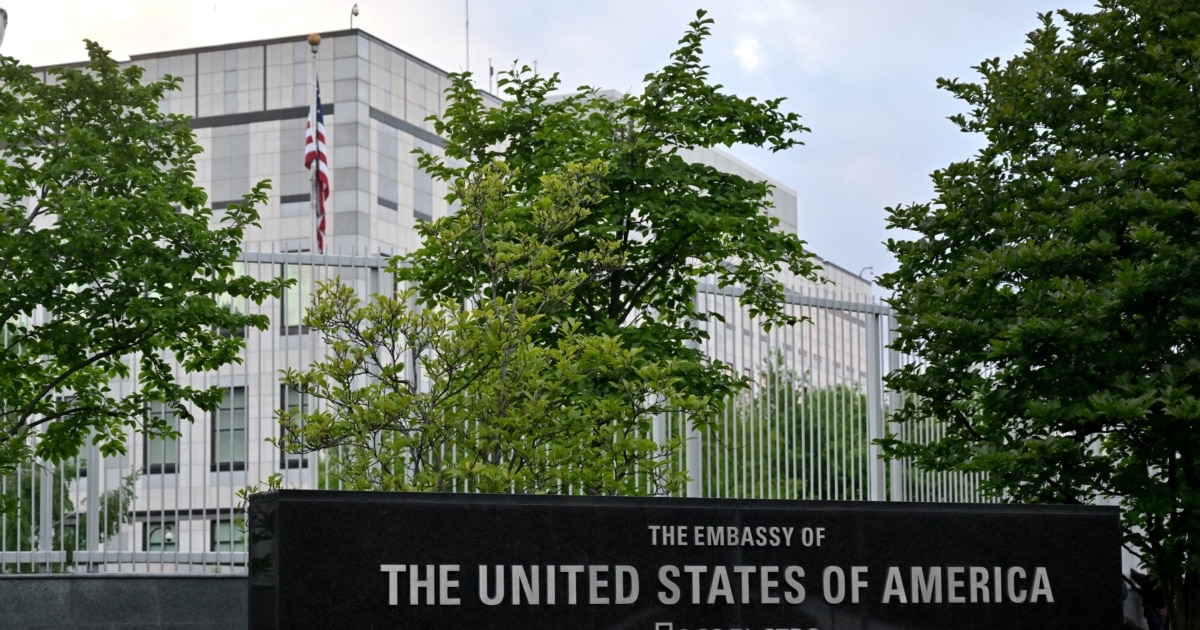
The specter of a "massive" missile attack looms over Kyiv, not as a direct act of war, but as a retaliatory threat tied to a deeply symbolic date: May 9th. Russia has issued an extraordinary warning to diplomats and international representatives stationed in the Ukrainian capital, urging them to prepare for evacuation. The condition for this potential devastation? Any perceived disruption to Russia's sacred World War II Victory Day commemorations. This ultimatum, delivered with chilling clarity, has ignited fresh anxieties across the globe, transforming a historical observance into a potential flashpoint in an already brutal conflict.
For decades, May 9th has been a cornerstone of Russian national identity, a day of immense pride and remembrance for the Soviet Union's pivotal role in defeating Nazi Germany. It is a day marked by grand military parades, patriotic fervor, and a narrative of national resilience. To Russia, any act that could be interpreted as disrespect or interference with these ceremonies, particularly by Ukraine, is seen not merely as a provocation but as an existential affront. The current warning elevates this historical sensitivity to a dangerous new level, weaponizing a commemorative date and placing the lives of civilians and diplomatic personnel in Kyiv at unprecedented risk.
The Geopolitical Chessboard: High Stakes and Historical Narratives
This latest development is not an isolated incident but a calculated move within a complex geopolitical chess game. Russia's threat comes amidst a backdrop of sustained conflict in Ukraine, where both sides have been locked in a grinding struggle. The timing is crucial: May 9th is often speculated as a date by which Russia might seek significant military gains or a declaration of victory, however symbolic. By linking a potential attack on Kyiv to the disruption of its Victory Day, Russia is attempting to control the narrative and project an image of strength and unwavering resolve, both domestically and internationally. It also serves as a potent psychological weapon, designed to sow fear and potentially pressure Ukraine into a more defensive posture.
Historically, Russia has leveraged its World War II narrative to justify various foreign policy actions, often framing its adversaries as neo-Nazis or fascists – a rhetoric frequently applied to the current Ukrainian government. This ideological framing is central to understanding the gravity of the May 9th threat. For Moscow, defending the sanctity of Victory Day is intertwined with its broader strategic objectives and its perceived historical mission. The warning to diplomats, therefore, is not just a military threat but a profound statement about Russia's commitment to its chosen narrative, even at the cost of further international condemnation and potential escalation.
Diplomatic Fallout and International Response
The immediate aftermath of Russia's warning has been a flurry of diplomatic activity and widespread condemnation. International organizations and foreign ministries are undoubtedly assessing the credibility of the threat and advising their personnel accordingly. While some might dismiss it as mere bluster, the sheer audacity and specificity of the warning necessitate a serious response. Evacuation preparations, even if precautionary, signal a significant breakdown in diplomatic norms and a dangerous escalation of tensions.
For the international community, the challenge lies in de-escalating the situation without appearing to concede to Russia's demands or legitimizing its aggressive posture. Calls for restraint and adherence to international law are paramount. However, the incident also highlights the precarious position of diplomatic missions in conflict zones, often caught in the crossfire of geopolitical disputes. The Vienna Convention on Diplomatic Relations, which ensures the inviolability of diplomatic premises and personnel, is implicitly challenged by such threats, raising concerns about the future conduct of international relations in an increasingly volatile world.
The Human Cost and Escalation Risks
Beyond the diplomatic intricacies, the most chilling aspect of Russia's warning is the potential human cost. A "massive" missile attack on Kyiv, a city that has already endured significant bombardment, would inevitably lead to widespread destruction and loss of life. The psychological toll on the civilian population, already living under constant threat, would be immense. Such an attack would also represent a significant escalation of the conflict, potentially drawing in further international involvement and prolonging the suffering.
Furthermore, the ambiguity of what constitutes "disruption" to the May 9th ceremonies leaves ample room for interpretation and potential miscalculation. Could a Ukrainian counter-offensive be deemed a disruption? What about a symbolic protest or even a simple refusal to acknowledge the date in a manner acceptable to Moscow? This lack of clarity creates a dangerous environment where any action by Ukraine could be used as a pretext for a devastating attack, placing an unbearable burden on Kyiv to navigate an impossible situation. The risk of an accidental or intentional misinterpretation leading to catastrophic consequences is alarmingly high.
Looking Ahead: A Precarious Path Forward
As May 9th approaches, the world watches with bated breath. The Russian warning has irrevocably altered the diplomatic landscape, injecting a new layer of tension into an already fraught situation. The immediate priority for all parties must be to prevent further escalation and protect civilian lives. This requires robust diplomatic engagement, clear communication channels, and a concerted effort to de-escalate the rhetoric. However, the incident also serves as a stark reminder of the deep-seated historical grievances and conflicting narratives that fuel the current conflict.
Moving forward, the international community must grapple with the implications of such threats on diplomatic immunity and the norms of international conduct. The weaponization of historical dates and the targeting of civilian populations, even conditionally, sets a dangerous precedent. The path to peace in Ukraine remains arduous and fraught with peril, and Russia's May 9th warning is a stark testament to the enduring challenges and the urgent need for a diplomatic resolution that respects sovereignty, international law, and human life. The echoes of World War II, ironically, are now being used to justify potential new horrors, highlighting the tragic cycle of history when dialogue fails.
Stay Informed
Get the world's most important stories delivered to your inbox.
No spam, unsubscribe anytime.
Comments
No comments yet. Be the first to share your thoughts!