Salmonella Scare: Major Supermarkets Recall Chicken Products Amid Public Health Concerns
A widespread recall of chicken products from leading supermarkets like Aldi, Tesco, Dunnes, and Lidl has ignited significant public health concerns across the region. Western Brand's affected batches, with use-by dates spanning early to mid-May, are linked to potential salmonella contamination. This incident underscores the persistent challenges in food safety and the critical need for robust supply chain oversight. Consumers are urged to check their purchases and adhere to safety guidelines to prevent illness.
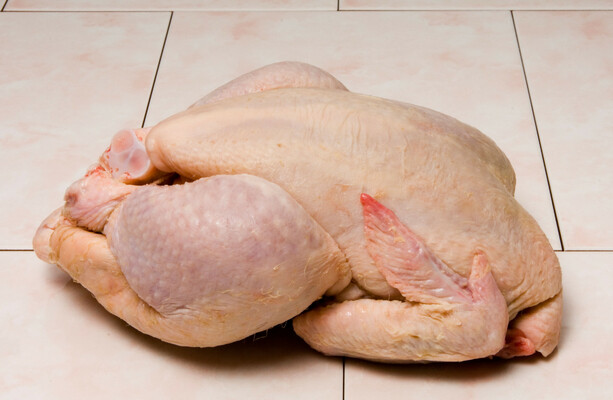
The alarm bells are ringing across the food industry and in households nationwide as major supermarket chains – including Aldi, Tesco, Dunnes, and Lidl – announced a widespread recall of various chicken products. The culprit: salmonella contamination, a bacterium notorious for causing severe gastrointestinal illness. This significant public health incident, triggered by products from Western Brand, has cast a spotlight on the intricate and often vulnerable global food supply chain, prompting urgent calls for enhanced vigilance from producers, retailers, and consumers alike.
The affected batches carry use-by dates ranging between May 5th and May 14th, indicating a potentially broad distribution window. The Food Safety Authority (FSA) has swiftly issued warnings, advising consumers not to consume the recalled items and to return them to the point of purchase for a full refund. While recalls are not uncommon, the scale and involvement of multiple prominent retailers elevate this particular event beyond a routine safety measure, raising questions about quality control, farming practices, and the efficacy of current food safety protocols.
The Pervasive Threat of Salmonella
Salmonella is a genus of rod-shaped, Gram-negative bacteria that can cause two main types of infection: salmonellosis (a common foodborne illness) and typhoid fever (a more severe, systemic disease). In developed nations, salmonellosis is far more prevalent, typically manifesting as fever, diarrhea, abdominal cramps, and sometimes vomiting, usually 12 to 72 hours after infection. While most healthy individuals recover within four to seven days without specific treatment, salmonella can be life-threatening for vulnerable populations, including infants, the elderly, and those with compromised immune systems. The Centers for Disease Control and Prevention (CDC) estimates that salmonella causes about 1.35 million infections, 26,500 hospitalizations, and 420 deaths in the United States each year, making it a leading cause of foodborne illness globally.
Contamination often occurs when food comes into contact with animal feces. Poultry, eggs, and unpasteurized dairy products are common vectors. The bacteria can thrive in the intestinal tracts of animals, and if proper hygiene and cooking standards are not met, it can easily transfer to human consumption. This incident serves as a stark reminder of the microscopic dangers that lurk in our food if safety measures are not rigorously upheld from farm to fork.
Unpacking the Supply Chain Vulnerabilities
The involvement of a single producer, Western Brand, supplying multiple major retailers, highlights a critical vulnerability in modern food distribution networks. While efficiency and cost-effectiveness drive the consolidation of suppliers, it also means that a lapse at one point can have cascading effects across an entire market. This recall is not merely about a few contaminated chicken breasts; it's a systemic issue that reveals potential weaknesses in:
* Farm-level biosecurity: How are chickens raised? What are the conditions like? Are there adequate measures to prevent the spread of bacteria within flocks? * Processing plant hygiene: Are slaughterhouses and processing facilities adhering to the highest standards of cleanliness and bacterial control? Cross-contamination can occur easily if equipment is not properly sanitized. * Transportation and storage: Maintaining proper temperatures and preventing contamination during transit and storage is crucial. Any break in the cold chain can create an environment for bacterial growth. * Retailer oversight: While retailers rely on their suppliers, they also have a responsibility to conduct their own checks and audits to ensure the safety of products on their shelves.
Dr. Anya Sharma, a food safety expert at the National University, commented, “These large-scale recalls are often symptoms of deeper issues within the supply chain. It’s not enough to react; we need proactive strategies, including advanced microbial testing, stricter auditing protocols, and potentially even blockchain technology to enhance traceability. Consumers deserve absolute confidence in the food they purchase.”
Historical Context: A Recurring Nightmare
The history of food safety is replete with salmonella outbreaks. From contaminated eggs in the 1980s and 90s to widespread poultry-related incidents in recent decades, the battle against this pathogen is ongoing. Each major outbreak typically leads to calls for stricter regulations, improved industry practices, and enhanced consumer awareness. For instance, the Poultry Products Inspection Act in the United States, and similar legislation globally, mandates inspection of poultry products to ensure they are wholesome, not adulterated, and properly labeled. Despite these regulations, the sheer volume of food produced and distributed globally means that occasional lapses are almost inevitable, underscoring the need for continuous improvement and adaptation of safety protocols.
One notable historical parallel is the 1994 salmonella outbreak linked to ice cream, which sickened over 200,000 people in the US, traced back to a contaminated tanker truck. More recently, in 2018, a multi-state salmonella outbreak linked to raw chicken products led to over 100 hospitalizations, highlighting the persistent challenge. These incidents serve as powerful reminders that food safety is a dynamic field requiring constant vigilance and innovation.
Implications for Consumers and the Industry
For consumers, the immediate implication is clear: check your fridge. If you have purchased chicken products from Aldi, Tesco, Dunnes, or Lidl with use-by dates between May 5th and May 14th, do not consume them. Return them to the store. Beyond that, this incident reinforces fundamental food safety practices at home:
* Cook thoroughly: Ensure chicken is cooked to an internal temperature of 165°F (74°C). * Prevent cross-contamination: Use separate cutting boards and utensils for raw meat and other foods. Wash hands thoroughly after handling raw poultry. * Refrigerate promptly: Store raw chicken properly in the coldest part of the refrigerator and consume or freeze within a few days.
For the industry, this recall will undoubtedly trigger internal investigations at Western Brand and potentially lead to audits by the implicated supermarkets. The reputational damage alone can be substantial, let alone the financial costs associated with the recall, potential lawsuits, and loss of consumer trust. It's a stark reminder that food safety is not a negotiable aspect of business; it is foundational. Investments in robust quality control, advanced testing, and transparent supply chain management are not merely expenses but essential safeguards for public health and brand integrity.
Looking Ahead: A Call for Enhanced Collaboration and Innovation
The current salmonella scare is a powerful catalyst for change. Moving forward, there needs to be an intensified collaborative effort among regulatory bodies, food producers, retailers, and even technology providers. The future of food safety will likely involve:
* Advanced pathogen detection: Faster, more accurate, and more widespread testing methods to identify contaminants earlier in the supply chain. * Enhanced traceability: Leveraging technologies like blockchain to create immutable records of a product's journey from farm to shelf, allowing for rapid identification and isolation of contaminated batches. * Predictive analytics: Using data to identify patterns and predict potential contamination risks before they materialize. * Consumer education: Continuous efforts to educate the public on safe food handling practices, empowering them to be the last line of defense.
This incident, while concerning, provides an opportunity for the food industry to re-evaluate and strengthen its commitment to public health. The ultimate goal remains to ensure that every product reaching a consumer's plate is not only delicious but, more importantly, unequivocally safe. The trust of millions depends on it, and the lessons from this recall must translate into tangible, lasting improvements across the entire food ecosystem. Only through such concerted efforts can we hope to mitigate the risks of future foodborne illnesses and safeguard public well-being. The road ahead demands unwavering dedication to excellence in every stage of food production and distribution.
Stay Informed
Get the world's most important stories delivered to your inbox.
No spam, unsubscribe anytime.
Comments
No comments yet. Be the first to share your thoughts!