Samsung's Stealthy Smart Glasses: Leaked Design Reveals Slim Frame, Igniting Meta Rivalry
Samsung is reportedly preparing to launch a new pair of smart glasses, with recent leaks revealing a remarkably slim and stylish design. This move signals a direct challenge to Meta's Ray-Ban smart glasses, intensifying the competition in the nascent augmented reality wearable market. After a lukewarm reception for its Galaxy XR headset, Samsung appears to be taking a more fashion-forward approach, aiming for mass appeal.
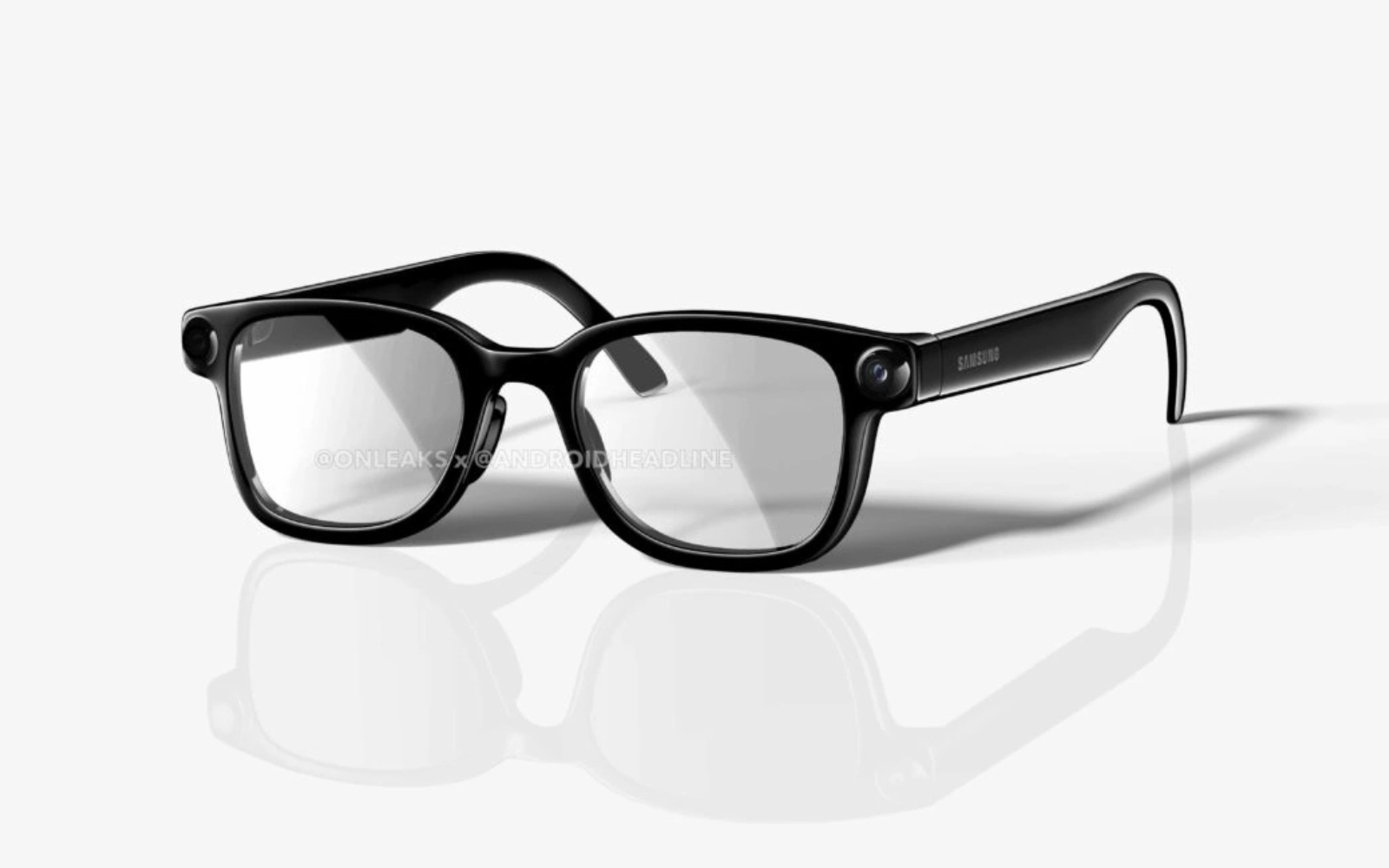
The whispers have turned into a roar. After a somewhat tentative foray into the extended reality (XR) space with its Galaxy XR headset, Samsung is reportedly gearing up for a far more ambitious and stylish assault on the smart glasses market. Recent leaks, particularly from Android Headlines, have offered the most concrete glimpse yet of what could be Samsung's answer to Meta's popular Ray-Ban smart glasses: a device that prioritizes sleek aesthetics and user comfort, potentially redefining the wearable tech landscape.
For years, smart glasses have been a technological promise often overshadowed by clunky designs and limited functionality. Google Glass, while pioneering, became a symbol of early missteps. Fast forward to today, and companies like Meta, with its Ray-Ban partnership, have demonstrated that integrating technology seamlessly into everyday eyewear is not only possible but desirable. Samsung, a titan in consumer electronics, now appears poised to leverage its design prowess and manufacturing scale to carve out a significant share in this evolving sector, with a design that promises to be a game-changer.
The Evolution of Wearable Tech: From Clunky to Chic
The journey of wearable technology, particularly smart glasses, has been a fascinating one, marked by both innovation and significant challenges. Early iterations often suffered from a fundamental disconnect: they were technologically impressive but aesthetically unappealing. The general public was hesitant to adopt devices that made them look like science fiction prototypes rather than fashion-conscious individuals. This perception barrier proved to be a major hurdle for widespread adoption.
However, the landscape began to shift dramatically with companies like Meta and their collaboration with Ray-Ban. By focusing on integrating smart features into classic, recognizable eyewear designs, they managed to bridge the gap between technology and fashion. The success of the Meta Ray-Ban smart glasses lies precisely in their ability to offer discreet cameras, audio, and AI capabilities without sacrificing the iconic style that consumers already embrace. This shift underscored a critical lesson: for smart glasses to truly go mainstream, they must first be fashionable glasses that happen to be smart.
Samsung, known for its meticulous attention to design in its smartphones and other consumer electronics, seems to have absorbed this lesson fully. The leaked images suggest a departure from the more utilitarian, headset-like designs of previous XR attempts. Instead, we see a frame that is remarkably thin, lightweight, and visually indistinguishable from a regular pair of high-end spectacles. This design choice is not merely cosmetic; it’s a strategic move to overcome user resistance and encourage daily wear, which is paramount for any successful wearable device.
Leaked Specifications and Design Philosophy
The recent leaks paint a compelling picture of Samsung's upcoming smart glasses. The most striking feature is undoubtedly the slim frame, which appears to house all the necessary components without adding significant bulk. This is a considerable engineering feat, especially when considering the need for batteries, processors, cameras, and potentially micro-displays or waveguides for augmented reality (AR) overlays.
While specific technical details remain somewhat speculative, the emphasis on a sleek design suggests a focus on core functionalities that enhance daily life without overwhelming the user. We can anticipate features similar to Meta's offerings: integrated cameras for hands-free photo and video capture, discreet speakers for audio playback and calls, and perhaps even basic AR capabilities like turn-by-turn navigation overlays or contextual information. The integration with Samsung's Galaxy ecosystem, including Bixby AI and seamless connectivity with Galaxy smartphones and wearables, is also highly probable, creating a cohesive user experience.
The choice of materials will also be crucial. To achieve such a slim profile while maintaining durability, Samsung will likely employ advanced composites or lightweight metals. The comfort factor, often overlooked in early smart glasses, will be paramount. A device worn on the face for extended periods must be light, well-balanced, and comfortable, avoiding pressure points or excessive heat generation. The leaked images suggest Samsung is acutely aware of these ergonomic considerations.
The Battle for Your Face: Samsung vs. Meta
The entry of a major player like Samsung with a seemingly refined product will undoubtedly intensify the competition in the smart glasses arena. Meta, with its established partnership with Ray-Ban, currently holds a significant mindshare in the fashion-forward smart eyewear category. However, Samsung brings its own formidable strengths to the table: a massive global distribution network, a loyal customer base, and unparalleled manufacturing capabilities.
This rivalry is not just about selling devices; it's about shaping the future of augmented reality. Both companies are vying to make AR a mainstream reality, moving beyond niche enterprise applications or gaming. The success of these smart glasses will depend on their ability to offer compelling use cases that genuinely enhance daily life, whether it's for capturing fleeting moments, hands-free communication, or accessing contextual information without pulling out a smartphone.
One key differentiator could be the integration of more advanced AR features. While Meta's current offerings are primarily camera and audio-focused, Samsung's history with displays and its investment in AR research suggest it might push the boundaries further, potentially offering more immersive visual overlays. The challenge, however, will be to do so within the confines of a slim, fashionable frame, avoiding the bulkiness that plagued earlier AR headsets.
Implications for the Future of Wearables and AR
Samsung's rumored smart glasses represent more than just another product launch; they signify a maturing market for augmented reality wearables. As more tech giants enter this space with increasingly refined and user-friendly designs, we can expect a rapid acceleration in innovation and adoption. The competition between Samsung and Meta will likely drive down prices, improve features, and ultimately benefit consumers.
Key implications include:
* Mainstream Adoption: Sleek designs and compelling features will make smart glasses more appealing to a broader audience, moving them from niche gadgets to everyday accessories. * Ecosystem Integration: Expect deeper integration with existing smartphone ecosystems, creating seamless experiences across devices. * Developer Opportunities: A growing user base will attract more developers to create innovative AR applications, expanding the utility of smart glasses beyond basic functions. * Ethical Considerations: As cameras and AI become ubiquitous on our faces, discussions around privacy, data security, and digital etiquette will intensify, requiring careful navigation by manufacturers and policymakers.
Ultimately, the success of Samsung's smart glasses will hinge on their ability to strike the perfect balance between cutting-edge technology, elegant design, and practical utility. If the leaks are indicative of the final product, Samsung is on a path to deliver a device that could significantly accelerate the transition from smartphones to smart glasses as our primary interface with the digital world. The battle for the future of wearable tech is heating up, and consumers stand to gain from this intensified competition, ushering in an era where technology truly becomes an extension of ourselves, subtly integrated into the fabric of our daily lives.
Stay Informed
Get the world's most important stories delivered to your inbox.
No spam, unsubscribe anytime.
Comments
No comments yet. Be the first to share your thoughts!