San Diego Mosque Shooting: A Community Shattered, A Nation Confronts Hate
A horrific shooting at the Islamic Center of San Diego has left five dead, including two teenage suspects, sending shockwaves through the community. The FBI is investigating the attack as a potential hate crime, raising urgent questions about rising Islamophobia and the safety of religious minorities. This tragedy underscores the devastating impact of targeted violence and the critical need for interfaith solidarity and vigilance against extremism.
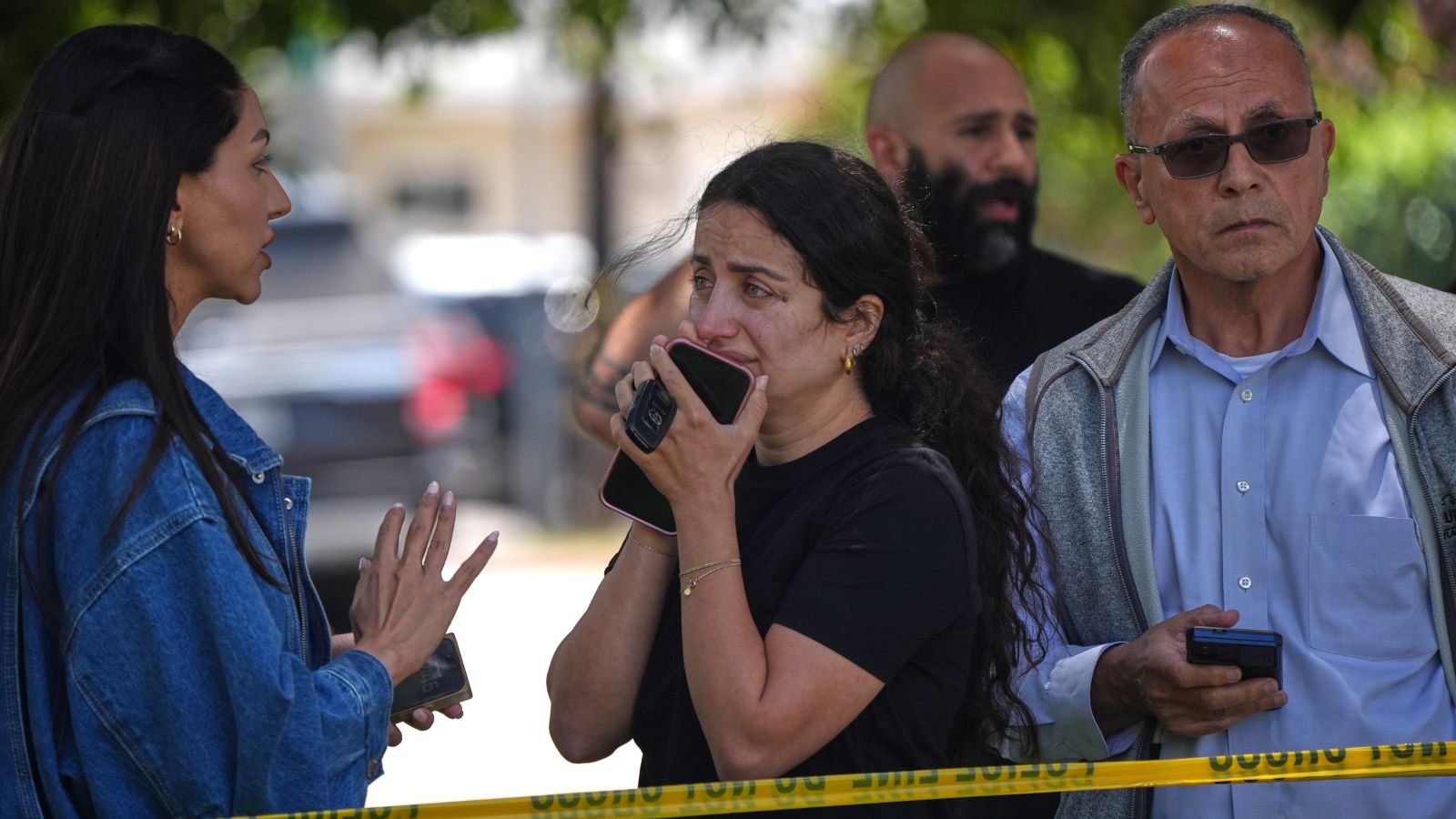
The tranquil evening at the Islamic Center of San Diego was shattered by an act of unspeakable violence, leaving five individuals dead and a community reeling in grief and fear. What began as a routine gathering turned into every community's worst nightmare, as described by San Diego police chief Scott Wahl. The Federal Bureau of Investigation has swiftly launched an inquiry, treating the incident as a potential hate crime, a designation that casts a chilling shadow over the broader landscape of religious freedom and safety in America.
This tragic event, which saw three people and two teenage suspects lose their lives, has ripped open old wounds and ignited fresh anxieties within the Muslim American community and beyond. While officials confirmed that children attending the center’s school were unharmed, the psychological scars on those present, and indeed on the entire city, will undoubtedly run deep. A reunification center was quickly established for distraught families, and the injured were rushed to nearby medical facilities, highlighting the immediate and chaotic aftermath of such a devastating attack.
The Anatomy of a Tragedy: Initial Details and Community Response
The initial reports painted a grim picture: a sudden, brutal assault on a place of worship. Details remain fluid as investigators piece together the timeline and motives behind the shooting. However, the immediate response from law enforcement and community leaders has been one of solidarity and condemnation. Police Chief Wahl’s stark statement, “This is every community’s worst nightmare,” resonated deeply, acknowledging the universal fear of violence in spaces meant for peace and reflection. The fact that the FBI is probing the incident as a potential hate crime immediately elevates its significance, placing it within a disturbing pattern of religiously motivated violence that has plagued various communities across the globe and within the United States.
Local Muslim leaders have called for calm and unity, even as they grapple with profound sorrow and anger. Imam Tarek Mohamed, speaking outside the mosque, emphasized the community’s resilience: “We will not be defeated by hate. We will stand together, stronger.” Such sentiments, while powerful, also underscore the immense pressure and vulnerability felt by minority groups who often find themselves targets of prejudice and extremism. The swift establishment of a reunification center and the medical response illustrate the immediate human cost, focusing on healing the physical wounds while the community begins the arduous process of addressing the emotional and spiritual trauma.
A Disturbing Trend: Islamophobia and Targeted Violence
This San Diego tragedy is not an isolated incident but rather fits into a worrying global and national trend of rising Islamophobia and targeted attacks on Muslim communities. In recent years, there has been a documented increase in hate crimes against Muslims, often fueled by political rhetoric, misinformation, and xenophobia. Data from organizations like the Council on American-Islamic Relations (CAIR) consistently show spikes in anti-Muslim incidents following major geopolitical events or inflammatory public discourse. The 2019 Christchurch mosque shootings in New Zealand, the 2017 Quebec City mosque shooting in Canada, and numerous acts of vandalism and assault across the United States serve as stark reminders of the pervasive threat.
The investigation into the San Diego shooting as a hate crime is crucial because it acknowledges the ideological underpinnings that often drive such violence. A hate crime is not just an act of violence; it’s a message intended to terrorize an entire group. Understanding the motivations – whether rooted in white supremacy, religious bigotry, or other extremist ideologies – is vital for developing effective countermeasures and fostering societal resilience. The targeting of a mosque, a sacred space for prayer and community gathering, amplifies the sense of violation and fear among congregants, challenging their fundamental right to worship freely and safely.
Historical Context: The Long Shadow of Religious Persecution
The history of the United States, while founded on principles of religious freedom, is also marred by periods of intense religious persecution and discrimination. From the early Puritan settlers' intolerance towards other Christian denominations to the Know-Nothing Party’s anti-Catholicism in the 19th century, and the internment of Japanese Americans during World War II, America has repeatedly grappled with the tension between its ideals and its realities. In the post-9/11 era, Muslim Americans have increasingly found themselves at the forefront of this struggle, facing heightened scrutiny, surveillance, and prejudice. The Patriot Act, while ostensibly aimed at national security, also contributed to a climate of suspicion around Muslim communities.
This historical context is essential for understanding the profound impact of incidents like the San Diego shooting. It’s not just an attack on individuals; it’s an assault on the very fabric of a pluralistic society. The fear generated by such acts can lead to self-censorship, reduced participation in public life, and a deep sense of alienation among affected communities. The challenge for society is to learn from these historical patterns, to actively combat the narratives of hate, and to build bridges of understanding and solidarity across diverse religious and ethnic lines.
Expert Analysis: The Role of Online Radicalization and Community Vigilance
Experts in extremism and counter-terrorism often point to the increasing role of online radicalization in fueling hate crimes. The internet provides a fertile ground for extremist ideologies to spread, allowing individuals to be exposed to hateful content and connect with like-minded individuals, often in echo chambers that reinforce their biases. The anonymity and reach of social media platforms have made it easier for individuals to consume and propagate extremist views, sometimes leading to real-world violence. If the San Diego suspects are indeed teenagers, it raises critical questions about how young people are being exposed to and influenced by such dangerous ideologies.
* The 'Lone Wolf' Phenomenon: Many hate crimes are perpetrated by individuals acting alone, often radicalized online, making them difficult to detect and prevent. However, this term can sometimes obscure the broader networks of hate that inspire such individuals. * Community-Led Prevention: Effective prevention strategies often involve community leaders, educators, and mental health professionals working together to identify early warning signs of radicalization and provide intervention. * Legislative and Policy Responses: Debates continue around stricter gun control measures, enhanced hate crime legislation, and the responsibility of tech companies to moderate extremist content on their platforms.
Beyond law enforcement, community vigilance and interfaith dialogue are paramount. Building strong relationships between different religious and ethnic groups can help dismantle stereotypes and foster a sense of shared humanity. Educational initiatives that promote cultural understanding and challenge prejudice are also crucial in creating a more inclusive and resilient society.
Moving Forward: Healing, Advocacy, and the Pursuit of Justice
The road ahead for San Diego’s Muslim community, and indeed for the broader city, will be one of healing, advocacy, and a relentless pursuit of justice. The immediate priority is to support the victims and their families, providing them with the resources and compassion they desperately need. Simultaneously, there must be a concerted effort to understand the full scope of this tragedy, including the motives of the perpetrators, and to hold all responsible parties accountable.
This incident serves as a stark reminder that the fight against hate is ongoing and requires constant vigilance. It calls upon leaders, policymakers, and ordinary citizens to reaffirm their commitment to tolerance, diversity, and mutual respect. The strength of a society is measured not only by its ability to respond to tragedy but also by its capacity to prevent it. As San Diego mourns, it also stands at a critical juncture, with an opportunity to emerge from this darkness with renewed resolve to build a community where all its members can live and worship without fear. The hope is that this tragedy will galvanize a broader movement towards understanding and peace, ensuring that such nightmares become a thing of the past.
Stay Informed
Get the world's most important stories delivered to your inbox.
No spam, unsubscribe anytime.
Comments
No comments yet. Be the first to share your thoughts!