Shadow War in Europe: Russia's Escalating Campaign Against Opponents Abroad
Western intelligence officials reveal a significant escalation in Russia's targeted killing attempts against perceived opponents in Europe since the 2022 invasion of Ukraine. This shadow war, employing poison, bombings, and cyberattacks, targets dissidents, journalists, and activists, creating a climate of fear and forcing many into constant vigilance. The article explores the history, methods, and geopolitical implications of these clandestine operations, highlighting the urgent need for a unified international response.
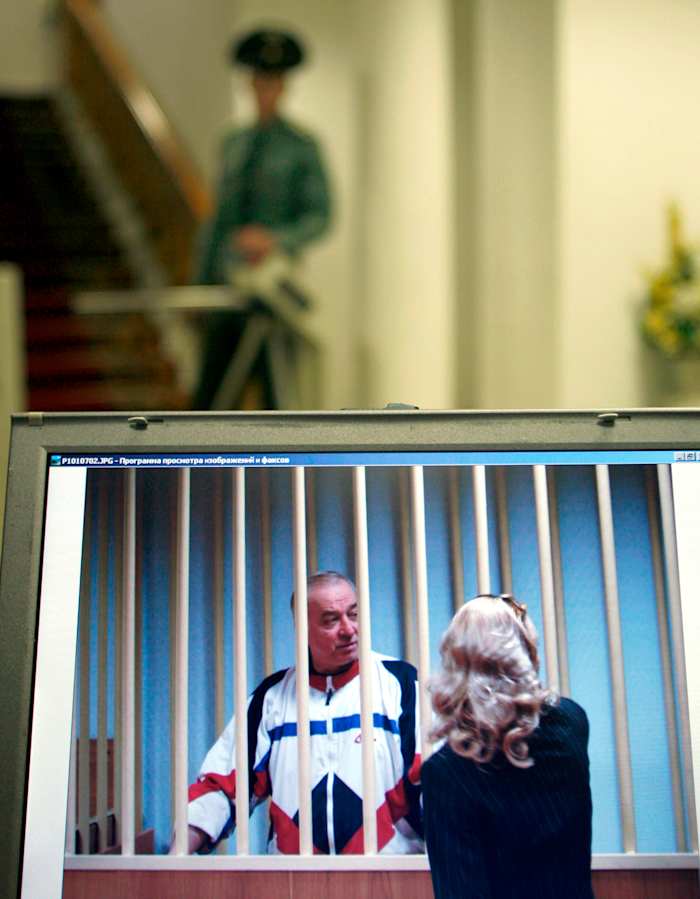
When Vladimir Osechkin, a prominent Russian activist, contemplates a simple trip to the supermarket or taking his children to school, it's not a mundane family outing. It's a meticulously planned operation, often requiring police protection. This isn't the plot of a spy thriller, but the stark reality for Osechkin and countless other Russian dissidents living in Europe. Three Western intelligence officials, speaking anonymously to The Associated Press, have confirmed a chilling trend: Russia's campaign of targeted killings against its opponents abroad has dramatically intensified since its full-scale invasion of Ukraine in February 2022. This revelation paints a grim picture of a shadow war unfolding across the European continent, where the Kremlin's long arm reaches beyond its borders to silence dissent and instill fear, challenging the very fabric of international law and sovereign security.
A History of Lethal Reach: From Litvinenko to Skripal
Russia's use of assassination as a tool of statecraft is not new; it has a long and disturbing history. The poisoning of former FSB officer Alexander Litvinenko in London in 2006 with radioactive polonium-210 sent shockwaves globally, marking a brazen display of extraterritorial violence. Subsequent incidents, such as the 2018 Novichok poisoning of former double agent Sergei Skripal and his daughter Yulia in Salisbury, UK, further underscored Moscow's willingness to deploy sophisticated chemical weapons on foreign soil. These high-profile cases, while shocking, are merely the tip of an iceberg that intelligence officials now suggest is growing rapidly. The methods are varied, ranging from poisons and shootings to bombings and even cyberattacks designed to incapacitate or eliminate targets. The common thread is a clear message from the Kremlin: opposition, even from afar, will not be tolerated.
Intelligence agencies from multiple Western nations have observed a significant uptick in these operations. One official noted a change in Moscow’s approach: “They are more active, more aggressive, and less concerned about the consequences.” This shift suggests a heightened sense of impunity or urgency within the Russian security apparatus, perhaps fueled by the ongoing conflict in Ukraine and a desire to consolidate power and suppress any internal or external criticism. The targets are diverse, including exiled journalists, human rights activists, former intelligence officers, and political dissidents who continue to speak out against the regime. Their continued existence and activism abroad are perceived as a direct threat to the Kremlin's narrative and stability.
The Modus Operandi: A Web of Disinformation and Direct Action
The intelligence community has identified several key characteristics of Russia's current campaign. Firstly, there's an increased reliance on proxies and criminal elements to carry out attacks, providing a layer of plausible deniability. This makes attribution more challenging and allows the Kremlin to avoid direct diplomatic repercussions. Secondly, the operations are often accompanied by sophisticated disinformation campaigns aimed at discrediting victims or sowing confusion about the perpetrators. For instance, after an attack, state-controlled media might propagate narratives suggesting the victim was involved in criminal activities or that the incident was an internal dispute.
Thirdly, there's a clear pattern of escalation in tactics. While poisoning remains a preferred method due to its often delayed and difficult-to-trace nature, more overt acts of violence, such as bombings and shootings, are also being observed. The case of Maxim Kuzminov, a Russian helicopter pilot who defected to Ukraine and was found dead in Spain, serves as a stark reminder. Spanish authorities are investigating his death, with strong suspicions pointing towards Russian involvement. Such incidents create a chilling effect, forcing dissidents like Vladimir Osechkin to live under constant threat, their lives circumscribed by security protocols and the ever-present fear of an attack.
Geopolitical Implications and the Erosion of Sovereignty
The implications of Russia's escalating shadow war extend far beyond the immediate victims. These operations represent a direct assault on the sovereignty of European nations. When a foreign state conducts assassinations or acts of sabotage on another country's soil, it undermines the host nation's ability to protect its citizens and maintain law and order. This erosion of sovereignty is a serious challenge to the international rules-based order, which relies on mutual respect for national borders and non-interference in internal affairs.
Furthermore, the campaign contributes to a broader climate of instability and distrust within Europe. It fuels concerns about the reach of authoritarian regimes and the safety of political exiles. European intelligence agencies are now dedicating significant resources to tracking and countering these threats, diverting attention and resources from other critical security challenges. The need for enhanced intelligence sharing and coordinated international responses has become paramount. Without a unified and robust stance, individual nations may find themselves vulnerable to these clandestine attacks, further emboldening Moscow to continue its aggressive tactics.
The Human Cost and the Future of Dissent
Beyond the geopolitical chess game, there is a profound human cost. Individuals like Vladimir Osechkin, who runs the human rights group Gulagu.net, live under immense psychological pressure. The constant threat of assassination impacts not only their personal lives but also their ability to carry out their vital work. Many are forced into hiding, their voices muffled by fear. This is precisely the Kremlin's objective: to silence dissent by making the cost of speaking out prohibitively high, even for those living thousands of miles away.
The future of Russian dissent in exile hangs in the balance. Will European nations be able to provide adequate protection? Will the international community develop effective mechanisms to deter and punish these acts of state-sponsored terrorism? The current situation demands a multifaceted response, including stronger intelligence cooperation, more robust legal frameworks for prosecuting perpetrators, and a clear diplomatic message that such actions are unacceptable. As the war in Ukraine continues, and as Russia faces increasing international isolation, the likelihood of these shadow operations intensifying further remains a grave concern. The ability of democracies to protect those who speak truth to power, regardless of their origin, will be a defining challenge of this era.
Conclusion: A Call for Unified Vigilance
The escalating campaign of targeted killings attributed to Russia in Europe is a stark reminder of the persistent and evolving threats to international security and democratic values. It underscores the Kremlin's willingness to transgress international norms and sovereign boundaries to silence opposition. For European nations, this is not merely a matter of law enforcement but a fundamental challenge to their sovereignty and the safety of their residents. A fragmented response will only embolden the perpetrators. The urgency of a unified, robust, and proactive international strategy – encompassing intelligence sharing, diplomatic pressure, and enhanced security measures – has never been clearer. Protecting dissidents and upholding the rule of law against such brazen aggression is not just a moral imperative, but a strategic necessity for the stability and integrity of the global order.
Stay Informed
Get the world's most important stories delivered to your inbox.
No spam, unsubscribe anytime.
Comments
No comments yet. Be the first to share your thoughts!