Skycouch Reimagined: Air New Zealand's Economy Sleep Pods Set to Revolutionize Long-Haul Travel
Air New Zealand is set to launch its innovative 'Skynest' sleep pods for economy passengers on ultra-long-haul flights between Auckland and New York from late 2026. Offering four-hour booking slots, these bunk-bed style pods aim to provide unprecedented comfort and rest in economy class. This groundbreaking move could redefine the future of long-distance air travel, addressing a long-standing passenger demand for better sleeping options.
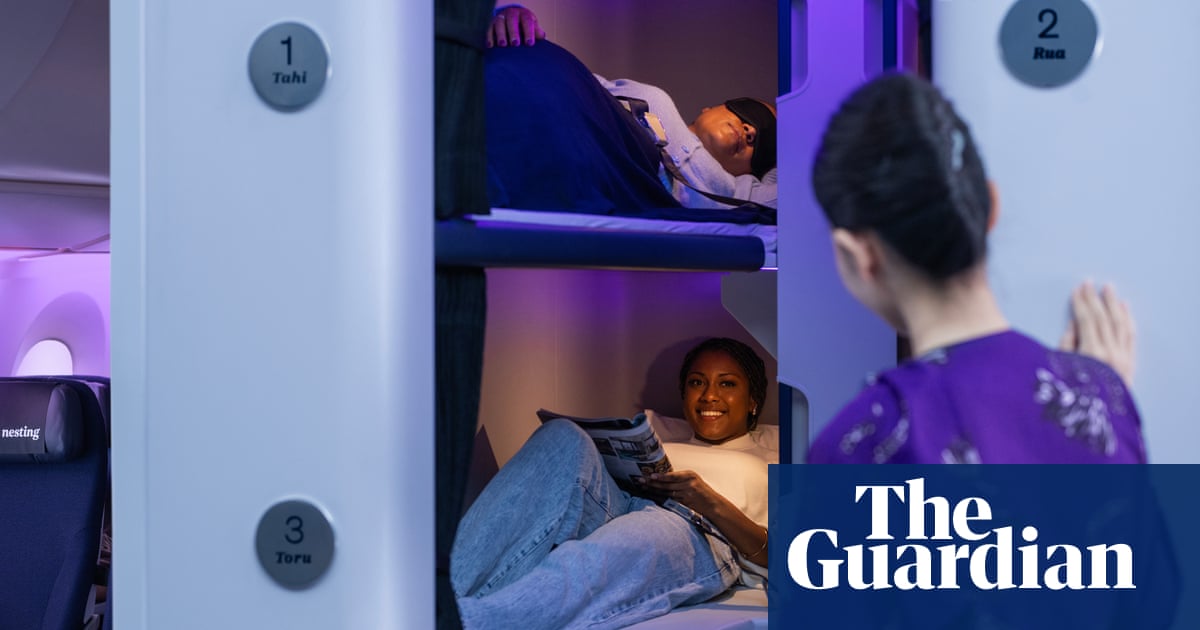
The grueling reality of ultra-long-haul flights has long been a source of dread for economy class passengers. Cramped seats, limited recline, and the relentless hum of engines make restful sleep an elusive dream. However, a revolutionary concept from Air New Zealand is poised to transform this experience. From late 2026, passengers on the airline's marathon Auckland-New York route will have the unprecedented opportunity to book a four-hour session in the world’s first economy sleep pods, dubbed 'Skynest'. This bold initiative, unveiled with much anticipation, promises to bring a touch of business-class luxury to the typically spartan economy cabin, fundamentally altering expectations for transcontinental air travel.
The Dawn of Skynest: A New Era for Economy Comfort
Air New Zealand's 'Skynest' is not merely an incremental improvement; it's a paradigm shift. Imagine stepping away from your seat and into a dedicated sleeping zone, complete with six full-length, bunk-bed style pods. Each pod is equipped with a pillow, sheets, a blanket, earplugs, and a reading light, offering a private sanctuary in the sky. The airline has meticulously designed these spaces to maximize comfort and hygiene. After each four-hour booking slot, a flight attendant will refresh the bedding, ensuring a clean and inviting environment for the next occupant. While the airline has humorously cautioned against smuggling in children or engaging in 'double-bunking,' the emphasis remains firmly on individual rest and rejuvenation. The introduction of Skynest is a direct response to the increasing demand for enhanced comfort on routes that can stretch to over 17 hours in the air, a journey length that tests the endurance of even the most seasoned travelers. This innovation builds upon Air New Zealand's prior success with the 'Skycouch,' which allowed passengers to convert a row of three economy seats into a flat surface, but Skynest takes this concept to an entirely new level of dedicated sleep space.
Engineering the Dream: Design and Logistics
The engineering behind Skynest is a testament to innovative cabin design. The six pods are strategically integrated into the economy cabin, utilizing space efficiently without significantly compromising existing seating capacity. The design prioritizes privacy and darkness, crucial elements for quality sleep in an airborne environment. Each pod is designed to be a self-contained unit, offering a degree of isolation from the general cabin activity. The booking system, available from May for flights commencing in late 2026, will allow economy passengers to reserve a four-hour slot, providing a much-needed break from the upright position. While the exact pricing for these sessions is yet to be disclosed, it's anticipated to be an additional charge, positioning Skynest as a premium economy upgrade without the full cost of a business class ticket. The logistical challenge of managing these pods – from booking and payment to cleaning and turnaround – will require seamless coordination from the cabin crew, highlighting the airline's commitment to operational excellence. The airline has also confirmed that snoring, a common complaint in shared sleeping environments, is perfectly acceptable within the pods, further emphasizing the focus on individual comfort.
Industry Implications and Passenger Expectations
The launch of Skynest is likely to send ripples throughout the aviation industry. Ultra-long-haul flights are becoming increasingly common, and passenger well-being during these extended journeys is a growing concern. Air New Zealand's pioneering move could pressure other airlines to innovate their economy offerings, sparking a new wave of competition in passenger comfort. Airlines operating similar marathon routes, such as Qantas's 'Project Sunrise' flights, will undoubtedly be watching Skynest's performance closely. This development also underscores a broader trend towards personalization and customization in air travel, where passengers are willing to pay extra for tailored experiences that enhance their journey. For passengers, Skynest offers a tantalizing prospect: arriving at their destination feeling refreshed, rather than utterly exhausted. This could significantly improve the overall travel experience, reducing jet lag and improving productivity upon arrival, whether for business or leisure. The ability to lie flat and truly rest, even for a few hours, can make a monumental difference on a 17-hour flight.
The Future of Flight: Beyond the Bunk Bed
While Skynest represents a significant leap forward, it also opens the door to future innovations. Could we see more extensive dedicated sleep zones, perhaps even private mini-cabins, becoming standard in economy on the longest routes? The success of Skynest will undoubtedly inform future aircraft interior designs and airline strategies. This move by Air New Zealand is not just about providing a bed; it's about recognizing the physiological needs of passengers on extreme journeys and responding with creative, practical solutions. It challenges the long-held notion that economy class must inherently be uncomfortable. As technology advances and aircraft become more efficient, allowing for even longer non-stop routes, the emphasis on passenger comfort will only intensify. The Skynest is a bold statement that airlines can, and should, do more to make the journey as enjoyable as the destination. It's a vision of a future where even the most budget-conscious traveler can arrive feeling rested and ready to explore, conduct business, or simply enjoy their vacation. This pioneering spirit from Air New Zealand sets a new benchmark, potentially ushering in an era where a good night's sleep at 35,000 feet is no longer an exclusive privilege but an accessible option for many.
Stay Informed
Get the world's most important stories delivered to your inbox.
No spam, unsubscribe anytime.
Comments
No comments yet. Be the first to share your thoughts!